Põltsamaa River
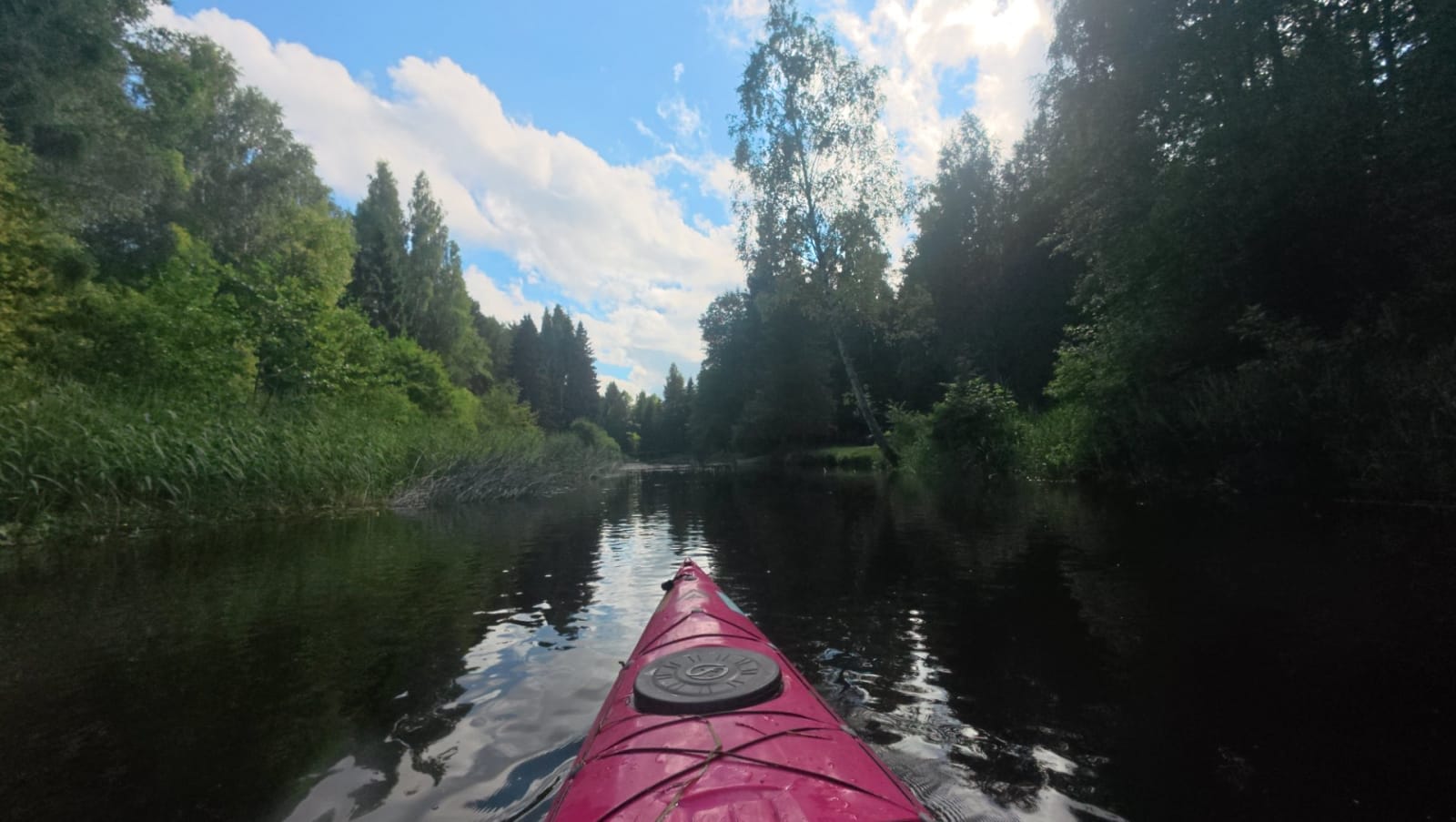
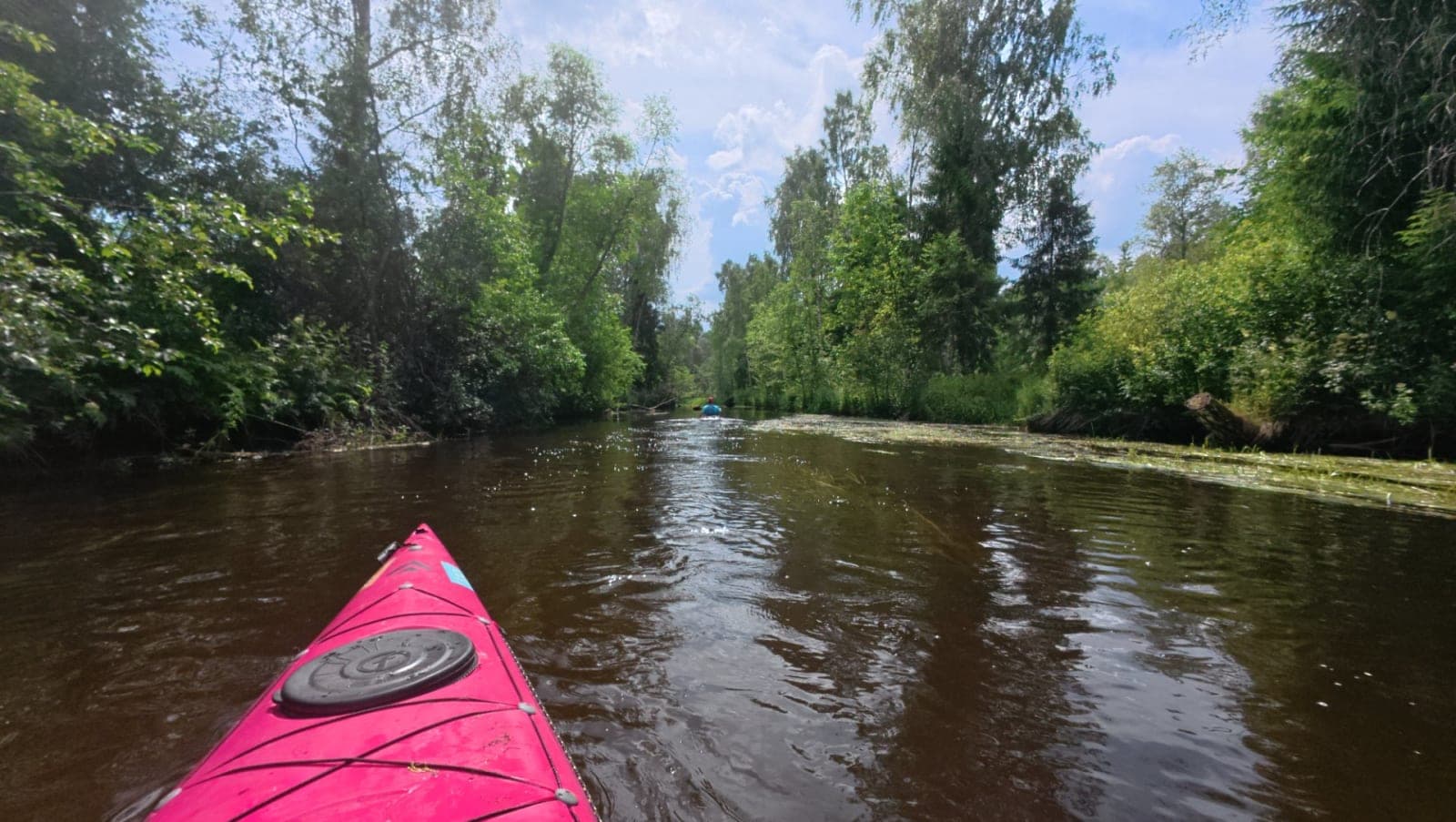
The Põltsamaa River stretches 136 kilometres from the springs on the south-western edge of the Pandivere Upland to its confluence with the Pedja River. It belongs to the Peipus sub-basin of the East Estonian watershed, draining a catchment area of 1,297 square kilometres. Most remarkably, the Põltsamaa is the only river in Estonia to flow through four counties, giving it an exceptionally varied and ever-changing landscape along its entire course. The upper reaches lie in Lääne-Virumaa, where the river meanders through cultivated fields and more densely settled countryside. Different stretches carry different local names in the villages along the way — Vao oja, Kiltsi oja, Vorsti jõgi, Ao jõgi and Piibe jõgi among them. Near Ao, two weirs cross the river: one has been shaped into a rapids, while the other is fitted with a fish pass. The tributaries Ilmandu oja and Nõmme jõgi join the river along this upper section. The upper part of the middle reach runs along the border of Jõgevamaa and Järvamaa, threading through marshy, forested terrain. From Piibe to Jõeküla, the river passes between the great raised bogs and mires of the Endla mire complex. From there down to Rutikver, the landscape is shaped by fens, spruce forests and waterlogged meadows. This slow, meandering stretch below Piibe was known in the 19th century as the Mõhkjõgi. At the Nava bog island, the river divides into two branches. The right-hand branch — Vanajõgi, also known as Vana-Vorsti jõgi — is natural and undredged, retaining its pristine, wild character. The rivers Preedi and Oostriku flow into it here. The left-hand branch is partly man-made, beginning as the Nava River and leading to Lake Endla. At the end of the 19th century, the Räägu Canal was dug to lower the lake's water level, but the project fell short: the level dropped by only 30 centimetres. Dredging works in the 1950s lowered it far more dramatically — most of Lake Endla and the entire Sinijärv disappeared as a result. The lakes were later restored by building new weirs, and flow was redirected once more through the Vanajõgi branch. From Jõeküla to Rutikver, the Põltsamaa widens and picks up pace. Between Rutikver and Kamari, the river flows through agricultural land dotted with several weirs and fish passes. Near the town of Põltsamaa, the river once had two channels, but one gradually vanished as a result of limestone quarrying. Within the town, a series of charming river islands can be found — Naistesaar, Saunasaar, Roosisaar and Kirikla saar. In its lower reaches, the river flows through Viljandimaa's forests and bogs. In the late 18th century, mirror and glassworks were established at Rõika and Meleski, and the river was dredged and widened to serve these industries. By the mid-19th century, the riverbed had been cleared of rocks and stumps, and a steamboat named Karl began making regular runs from Tartu all the way to the Rõika-Meleski glassworks. In the 1920s, the lower course of the river was officially recognised as a navigable waterway. The Põltsamaa River supports rich and diverse wildlife. Fish species found here include pike, roach, minnow, brown trout, ide, burbot and perch. Over the years, rudd, asp, tench, crucian carp, bream, eel and chub have also been recorded. The construction of weirs once disrupted fish migration, but today every weir on the river has been fitted with a fish pass or converted into a rapids. The river has at times supported healthy crayfish populations, though successive outbreaks of crayfish plague have repeatedly devastated their numbers.
River sections
Piibe Bridge to Kirikumäe RMK Campsite
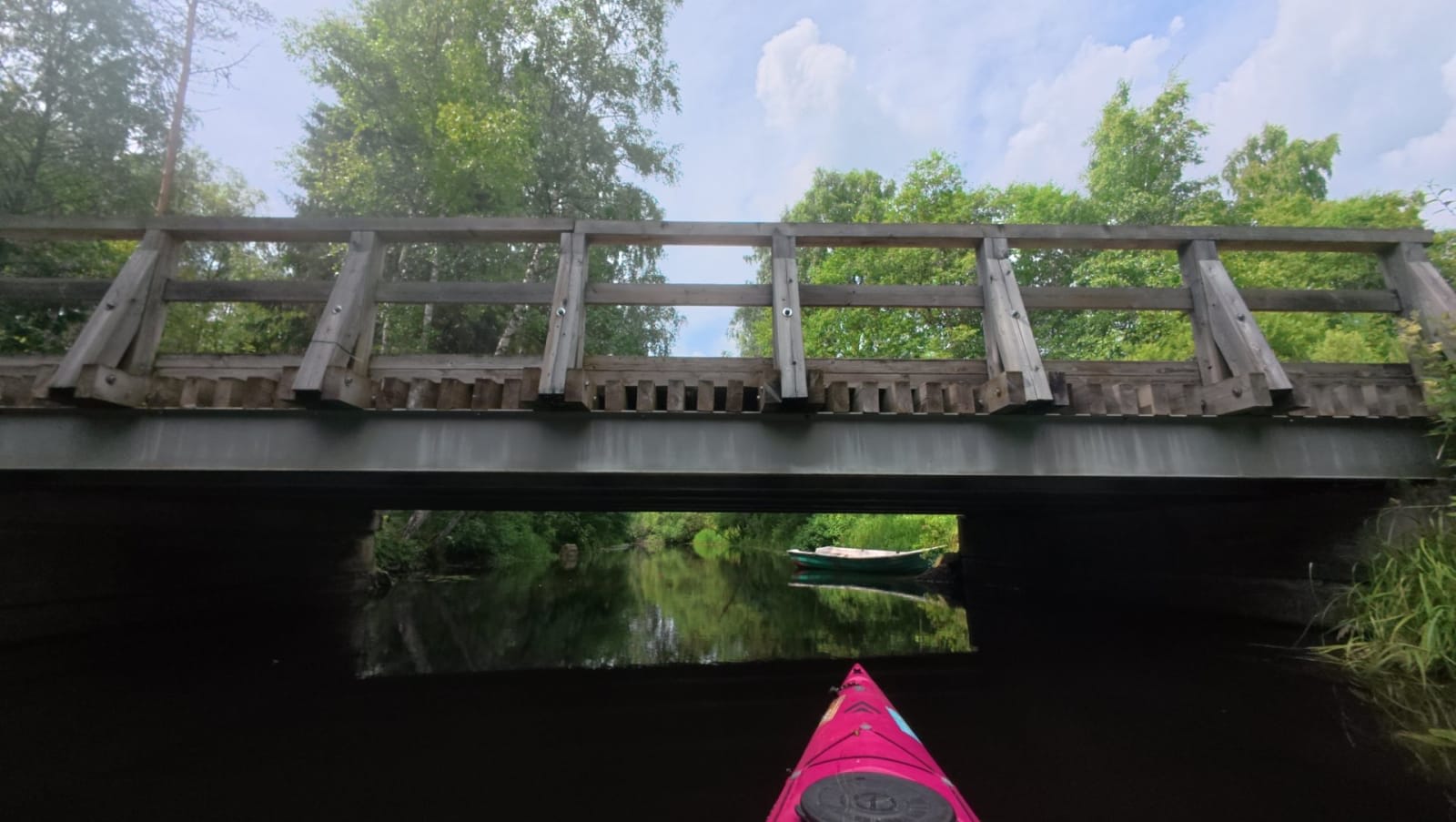
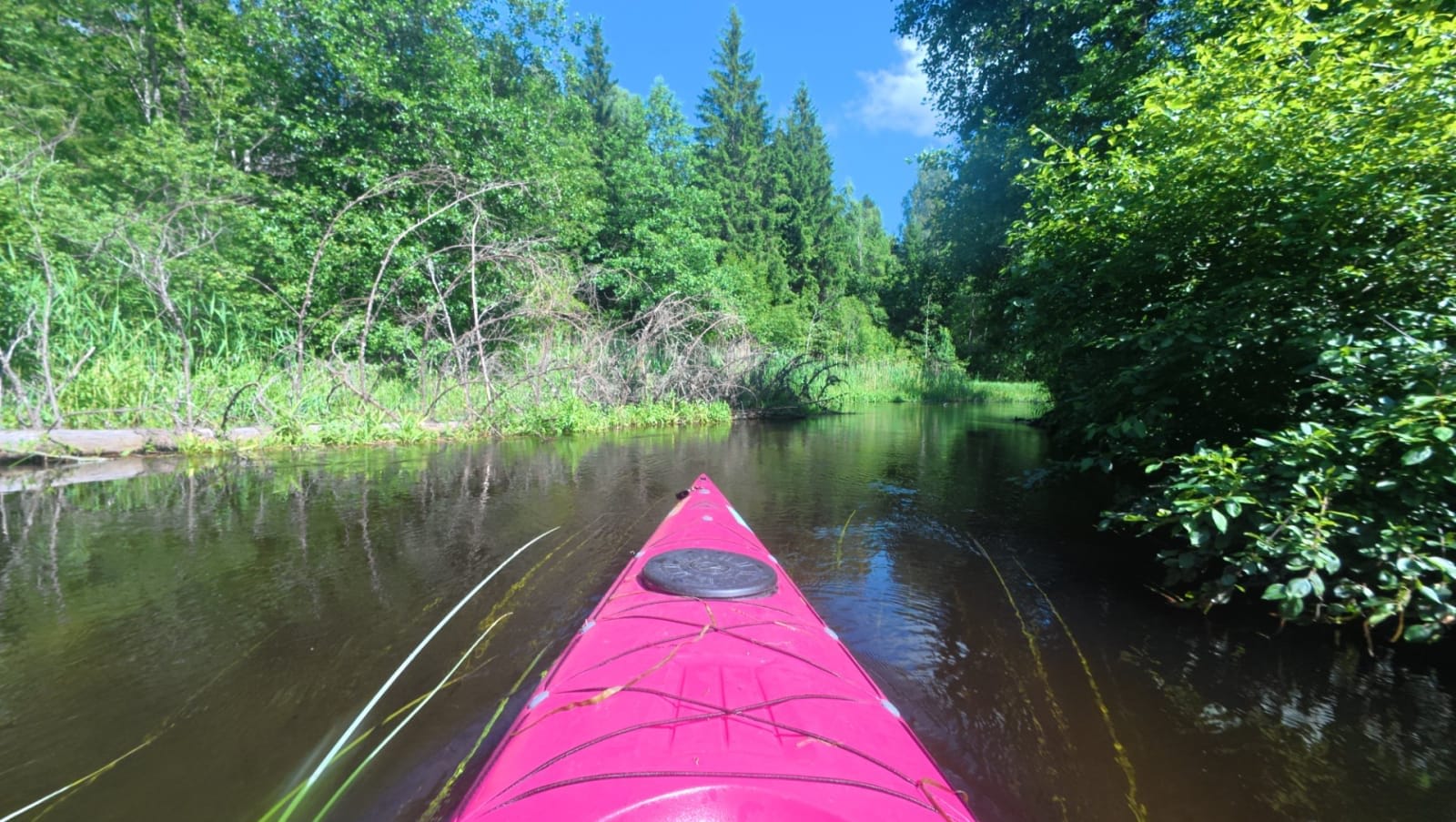
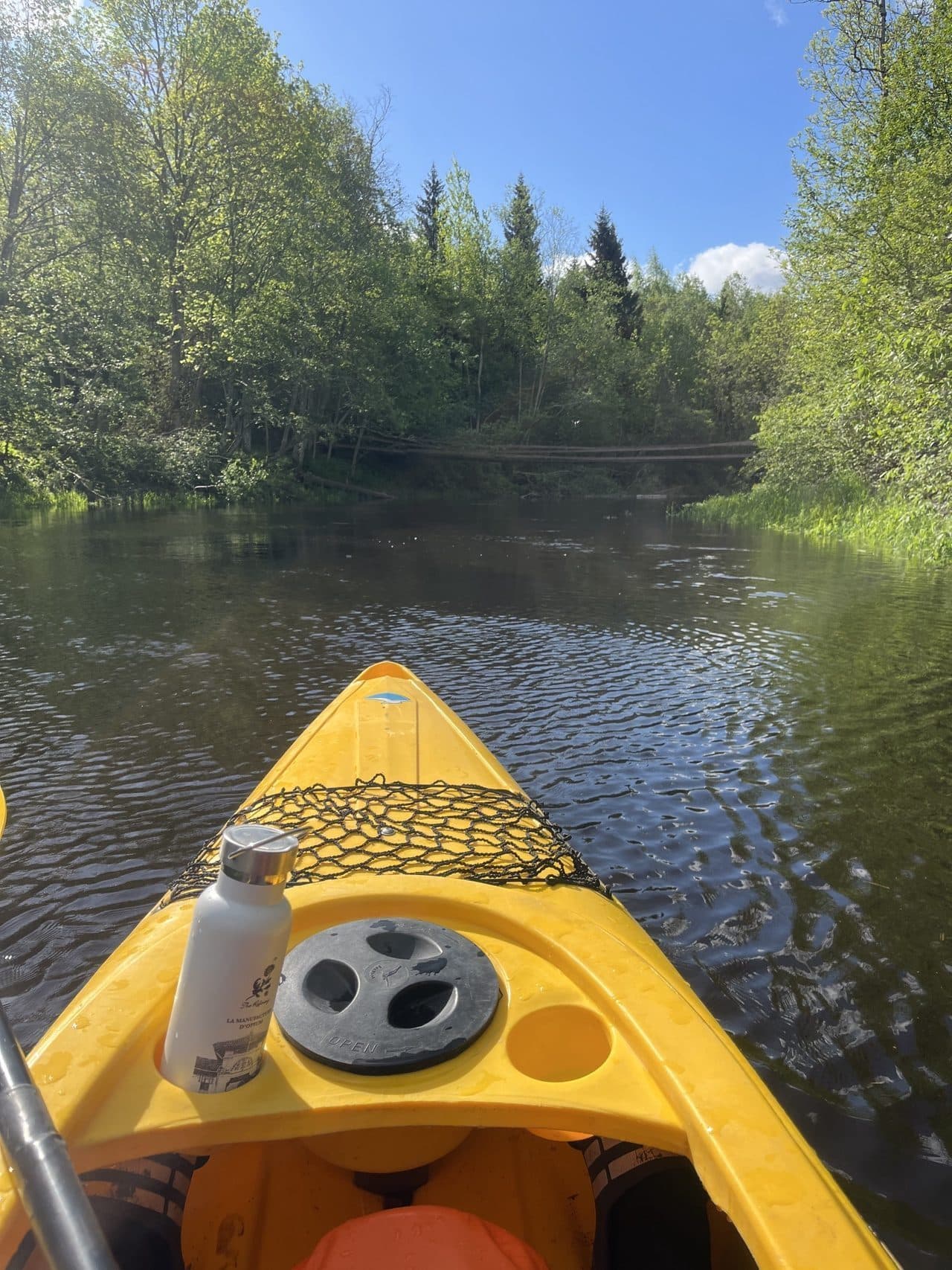
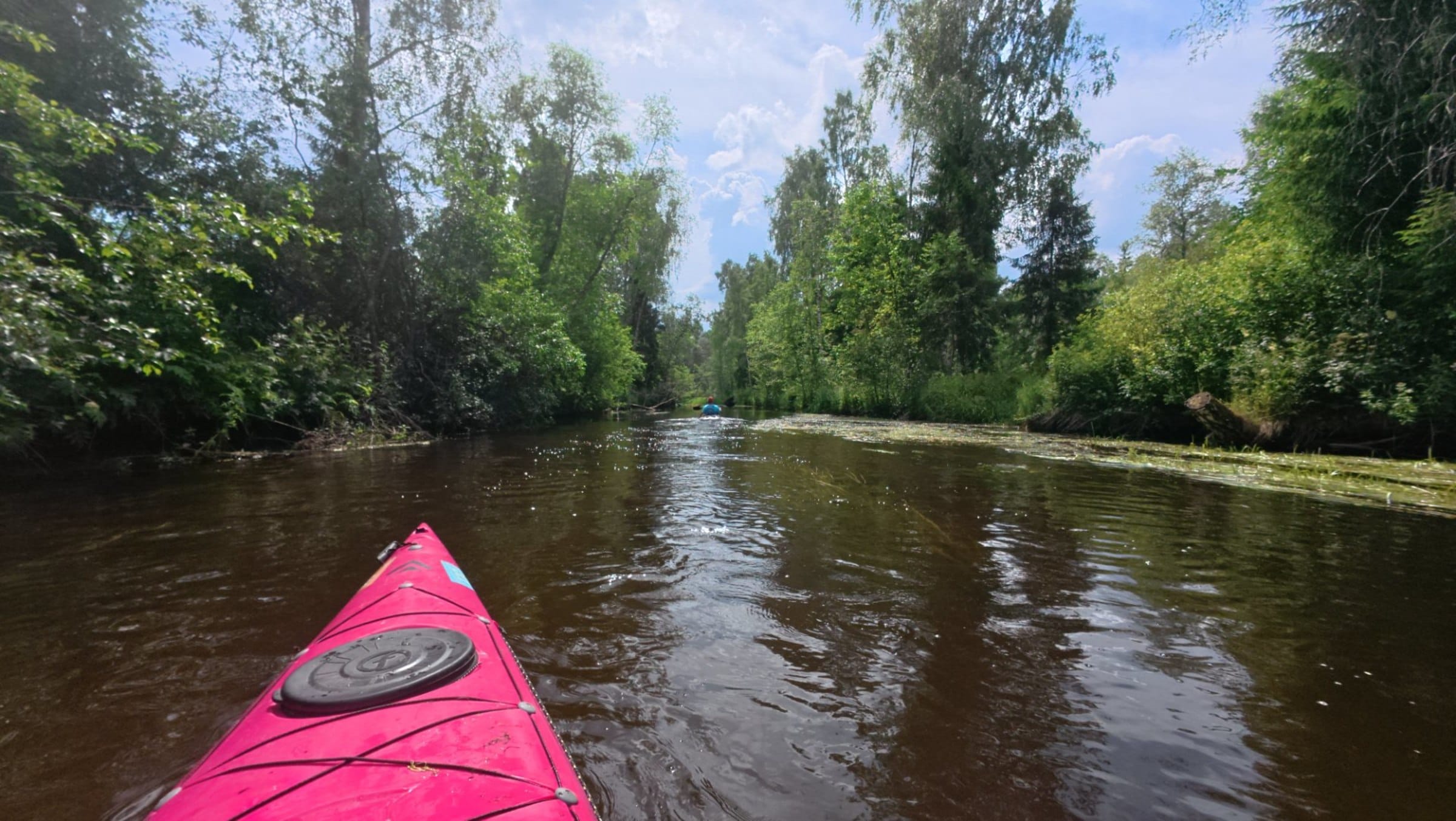
The car park at Uuesilla is a convenient spot to launch your boat — ideal for a leisurely two-day trip. If you prefer a longer day on the water, the same stretch can also be paddled in a single full day from morning to evening. The Tammemäe campsite offers the option to overnight or simply stop for a rest along the way. It has a sheltered area and a fireplace, and there is plenty of space to pitch a tent, though note that there is no firewood provided and no toilet facilities on site. At the start of the trip the current gives you a helpful push, but it soon eases off and you will be paddling under your own steam. There are no rapids or fast-flowing sections to navigate. The occasional fallen tree may block the way, but most of the route is cleared for the Põltsamaa Marathon and is passable without difficulty. The Kirikumäe campsite makes an excellent take-out point to finish your journey.
Gallery