
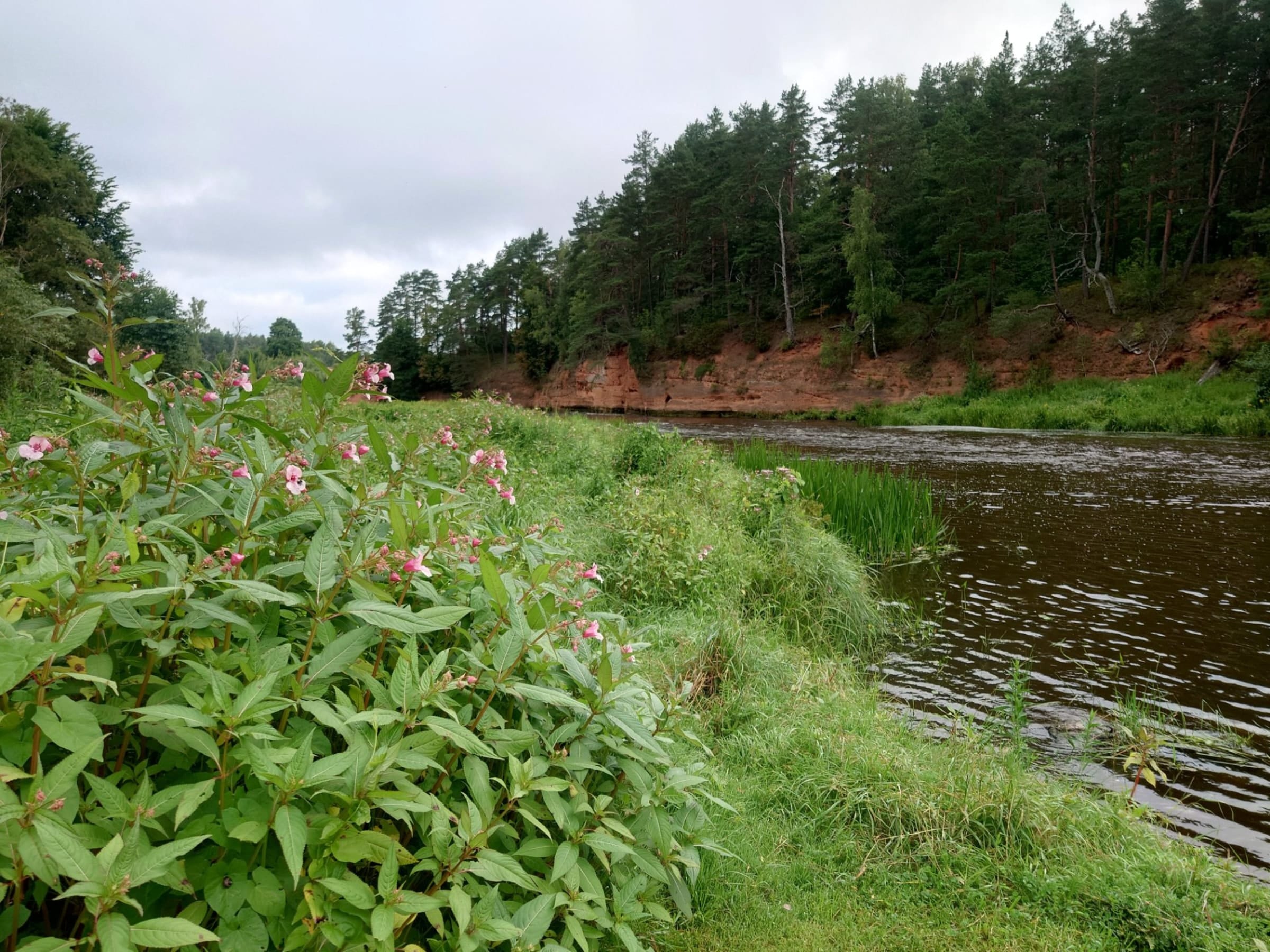
Salaca (Salatsi) River
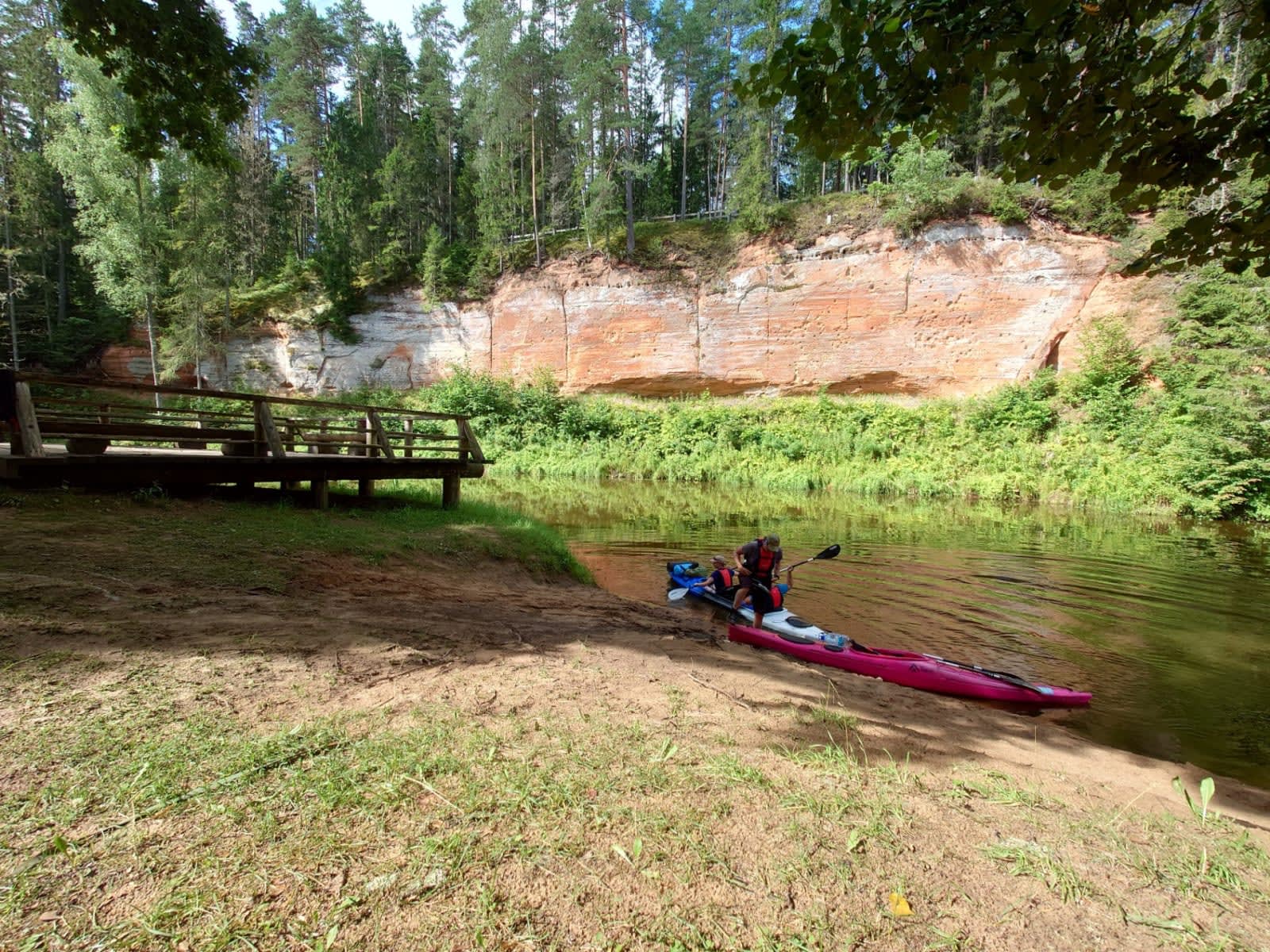
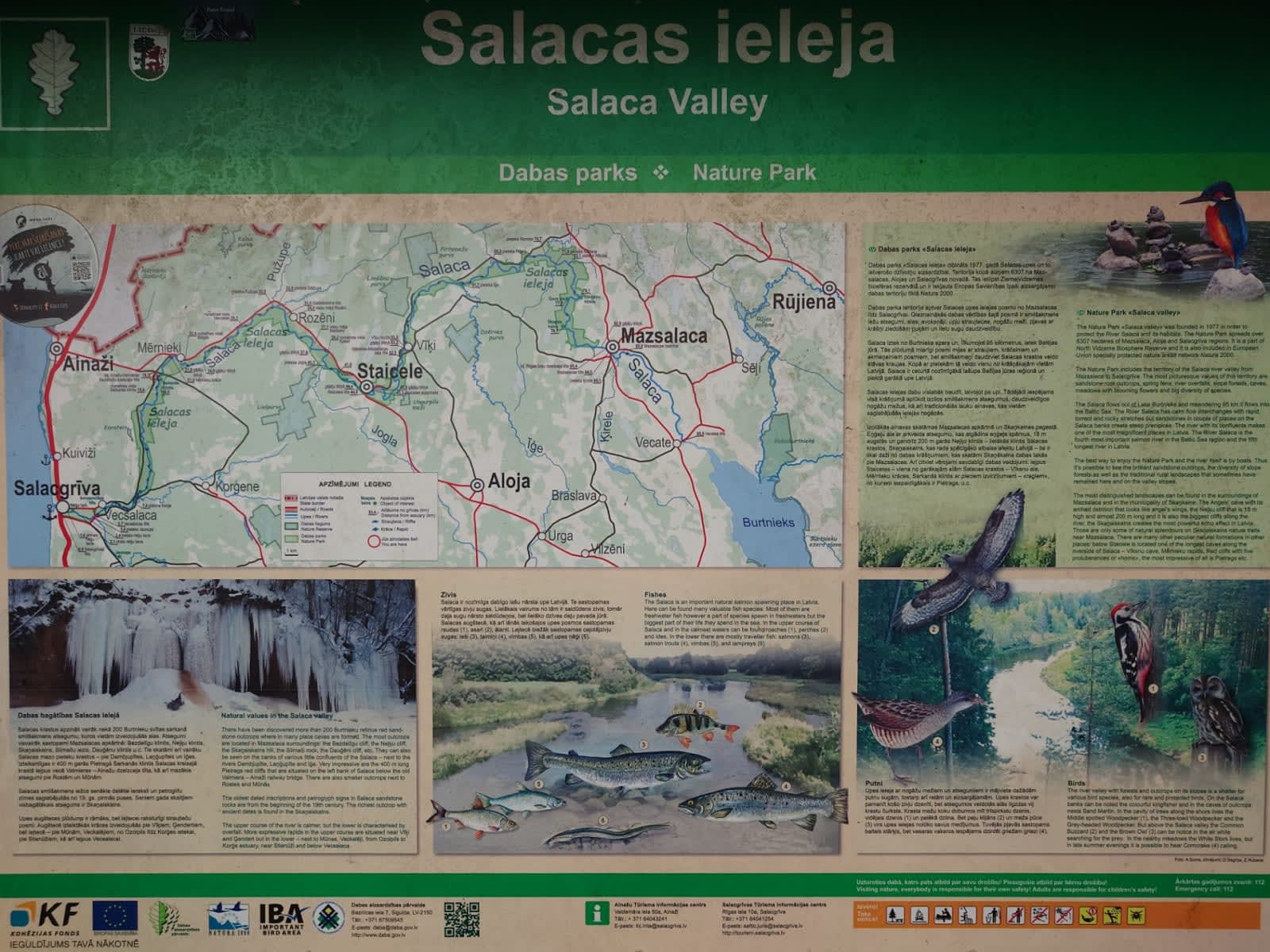
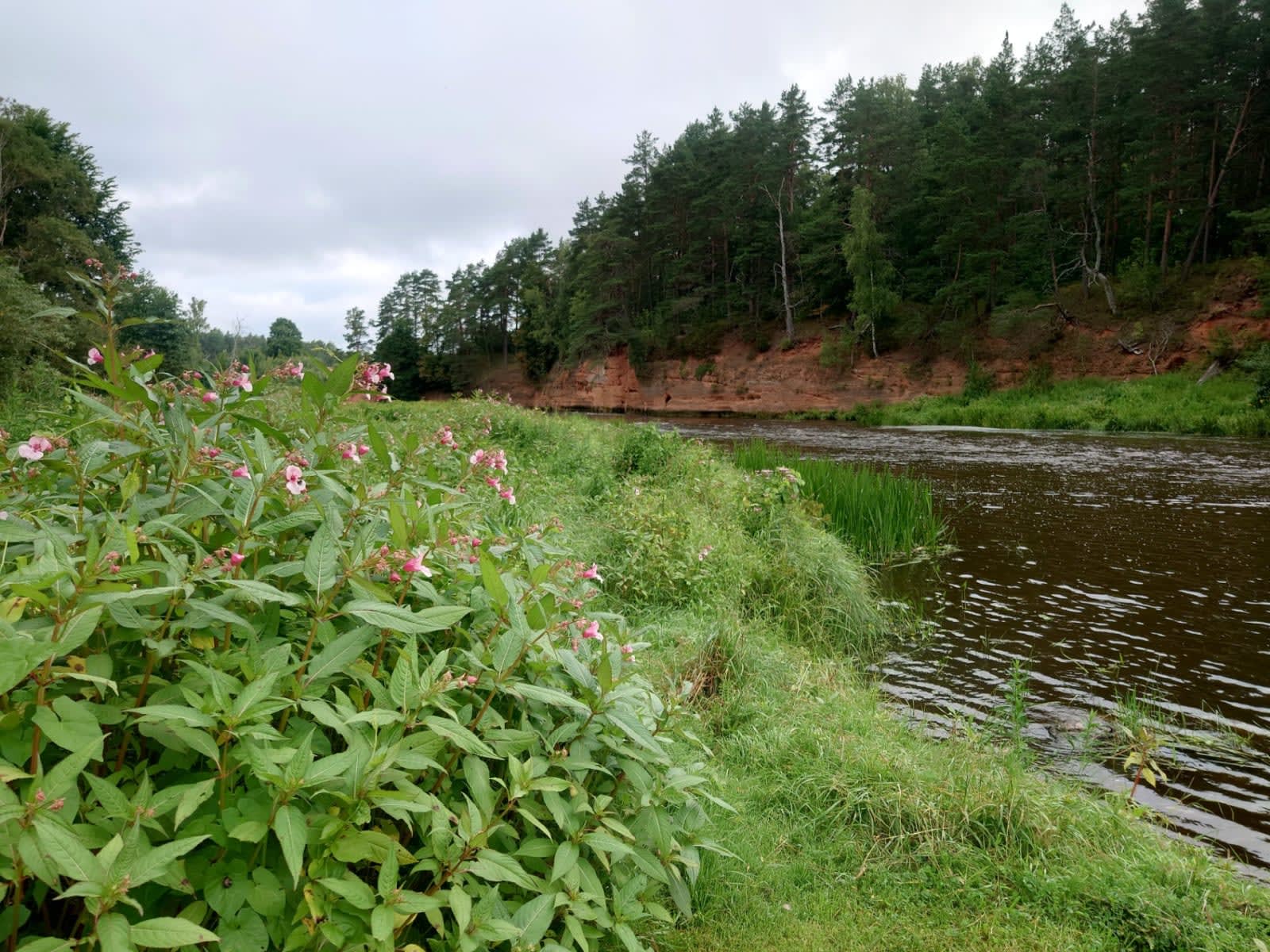
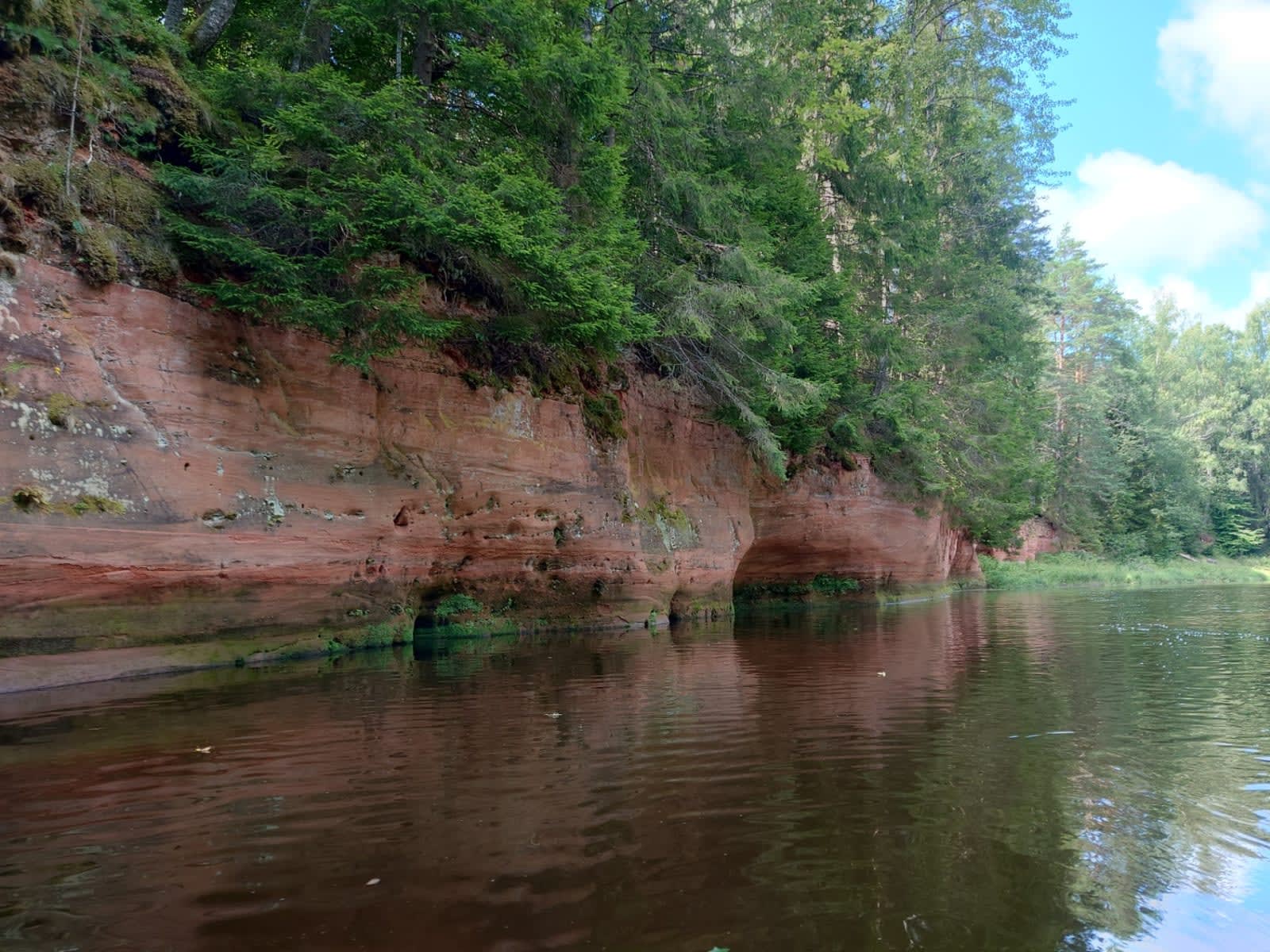
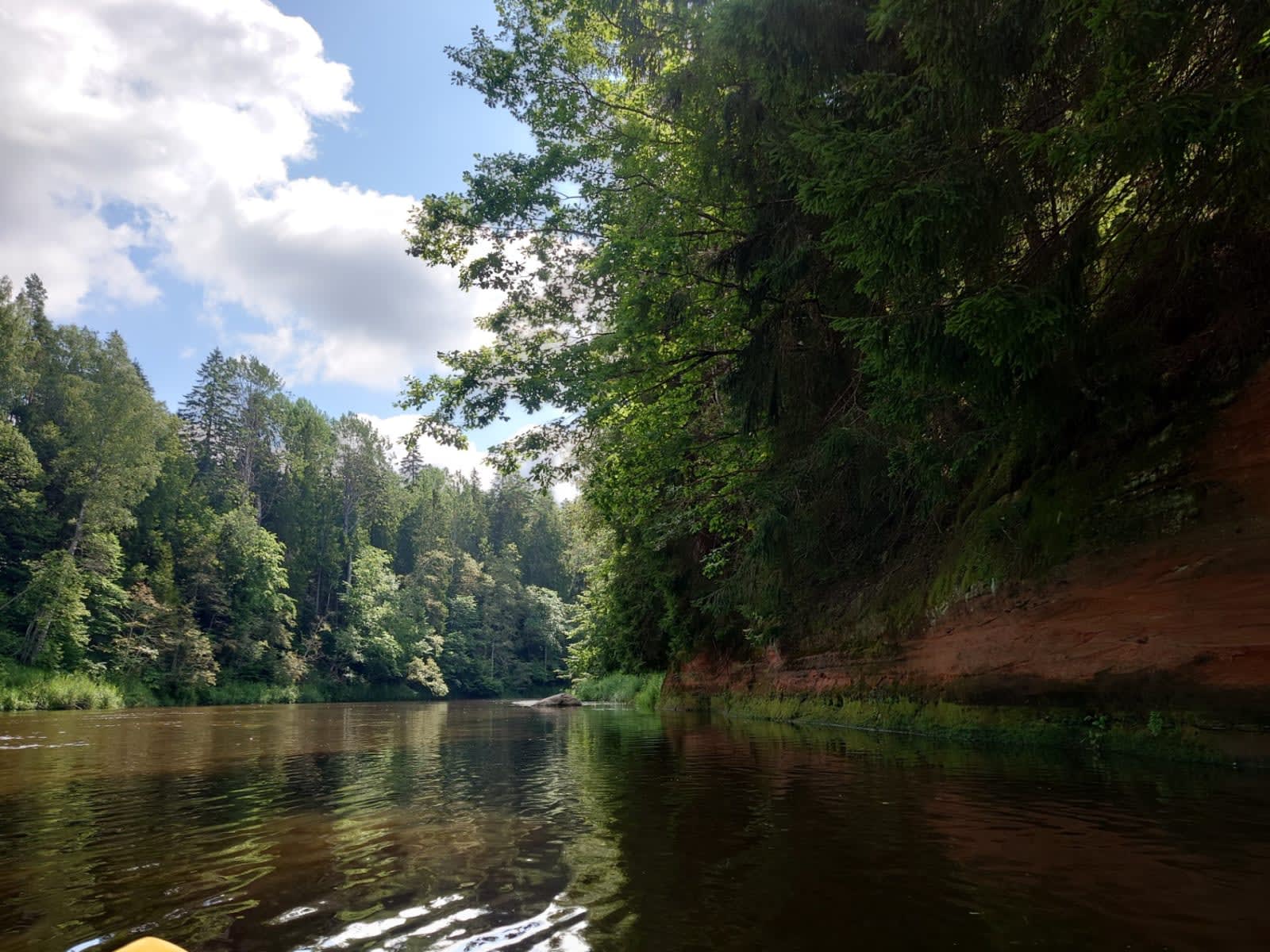
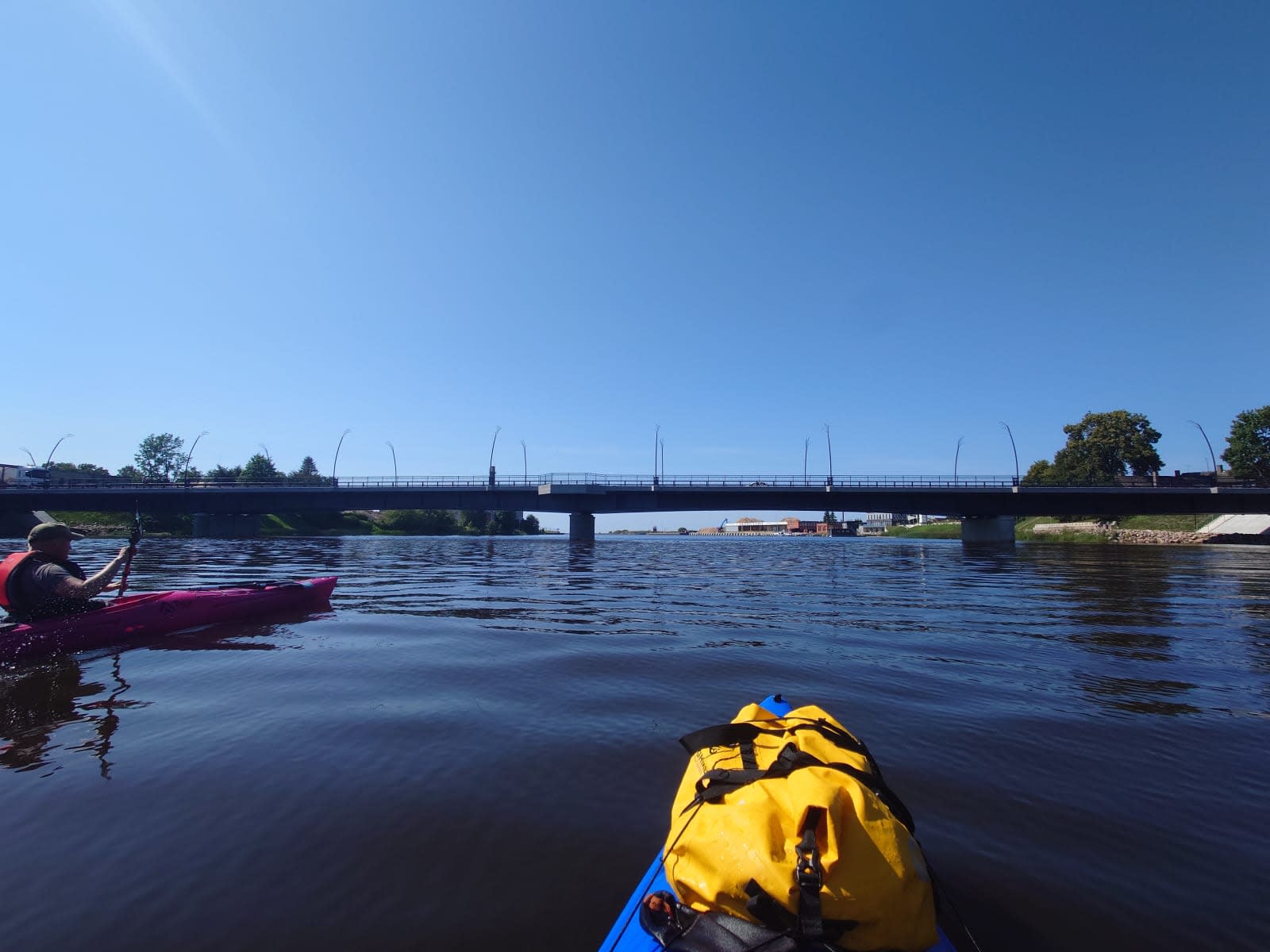
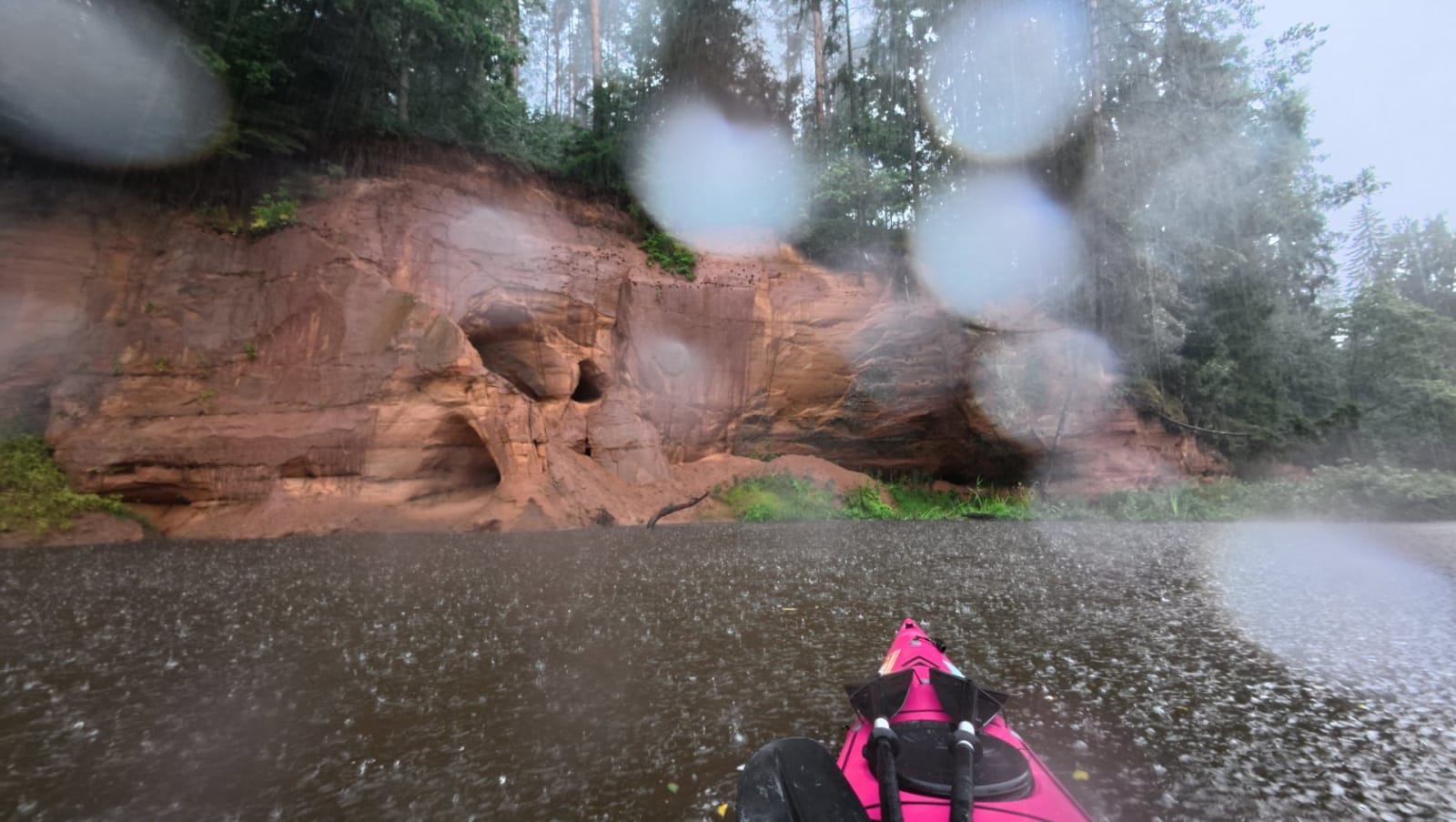
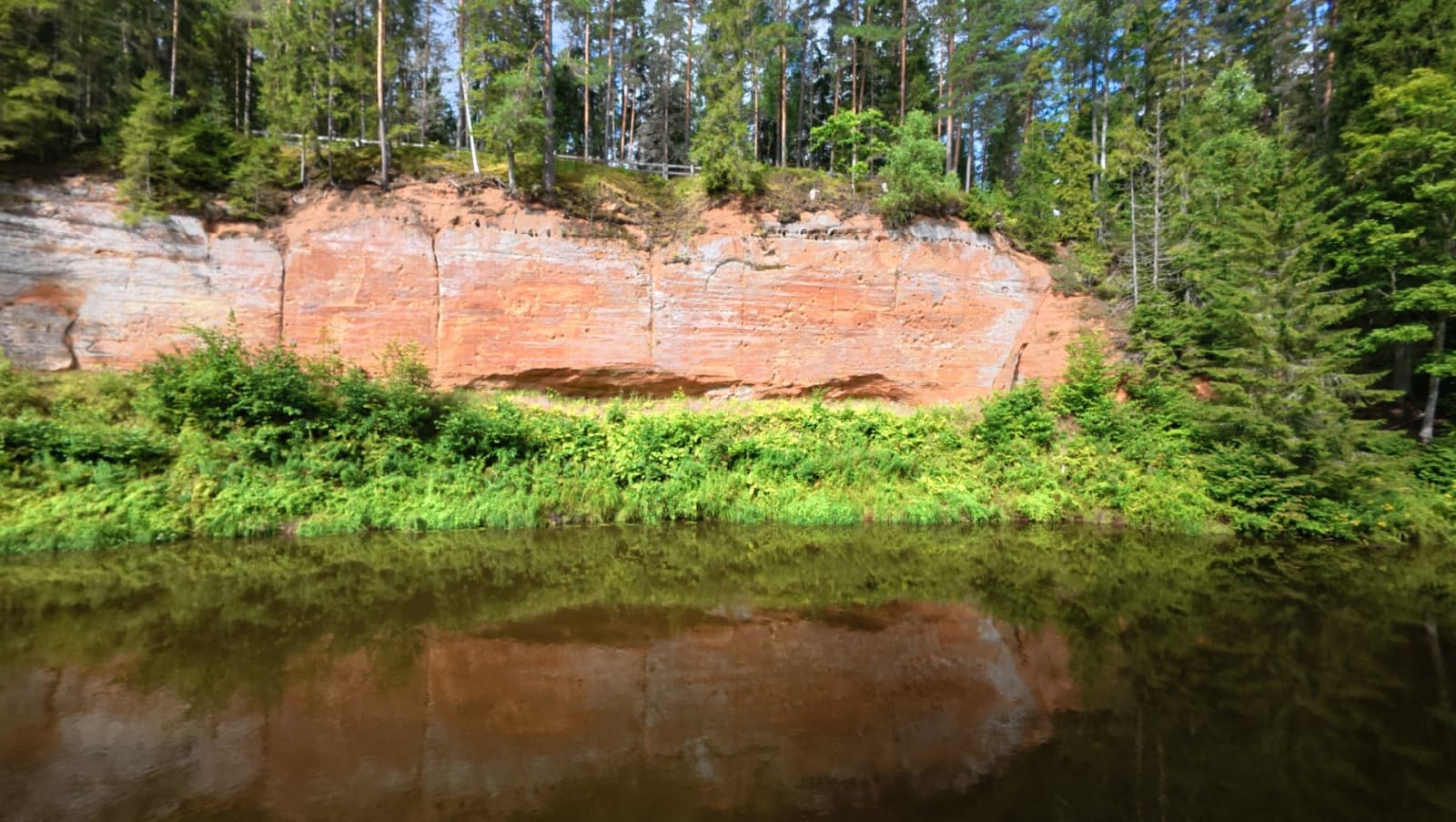
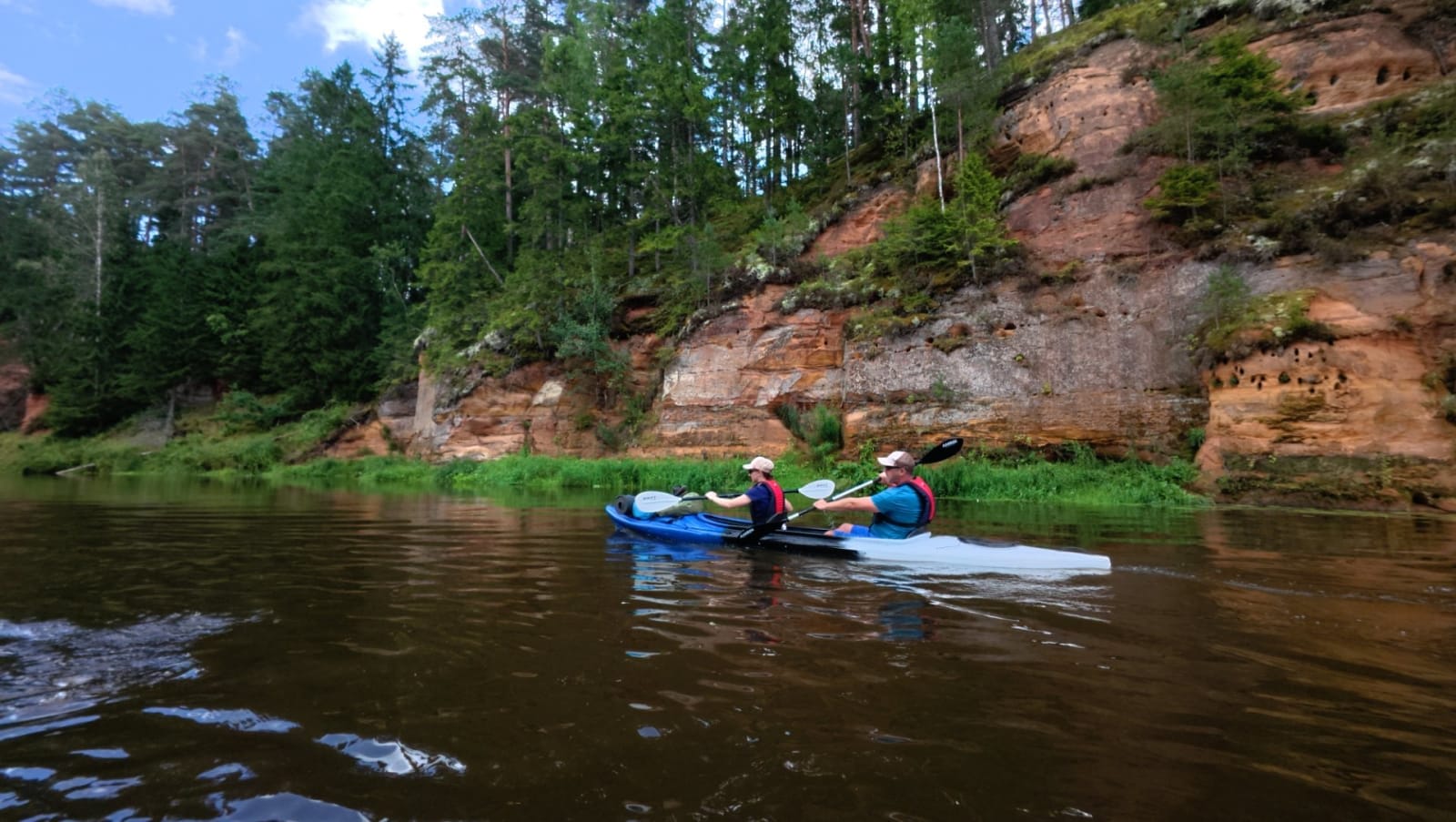
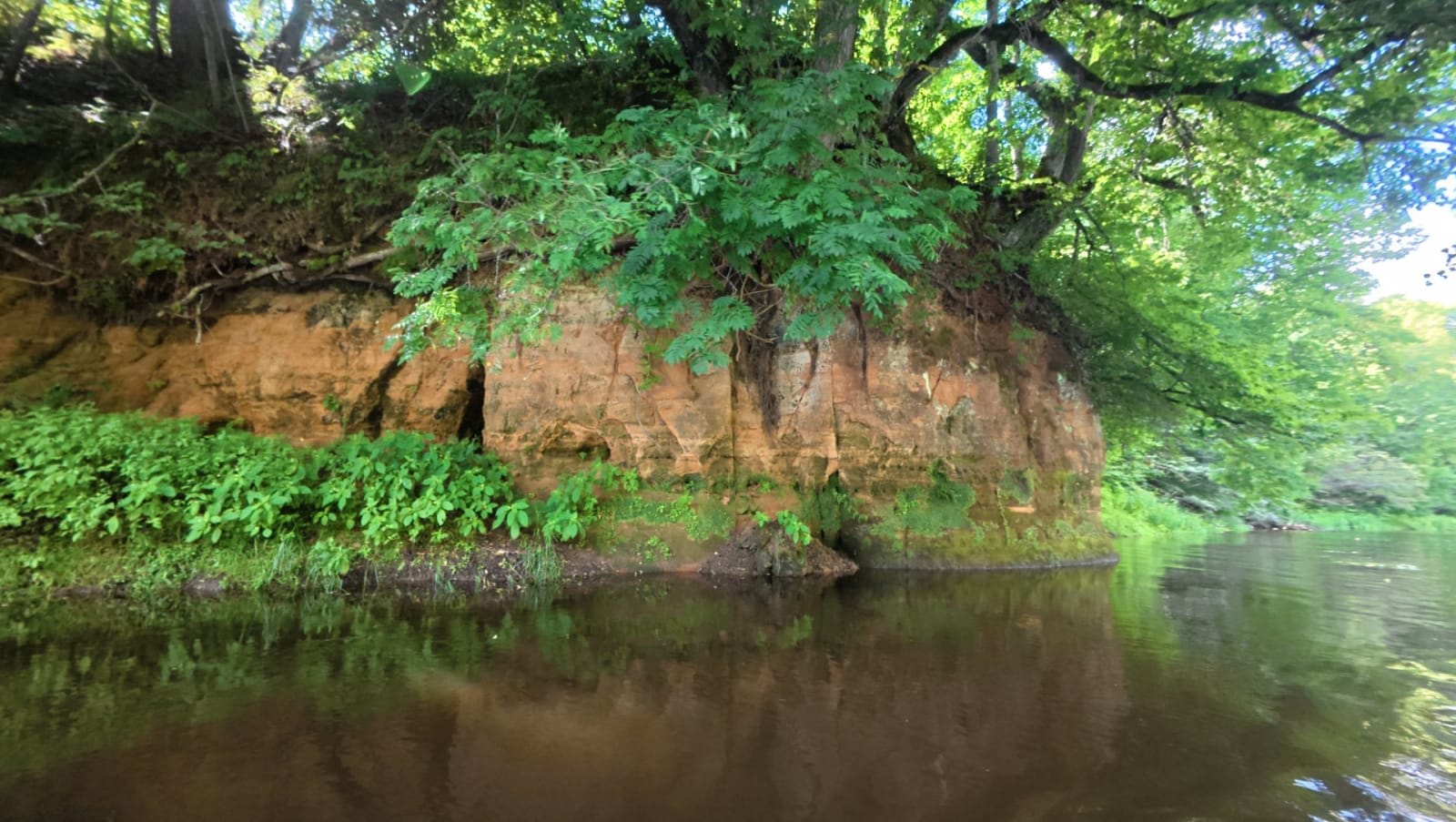
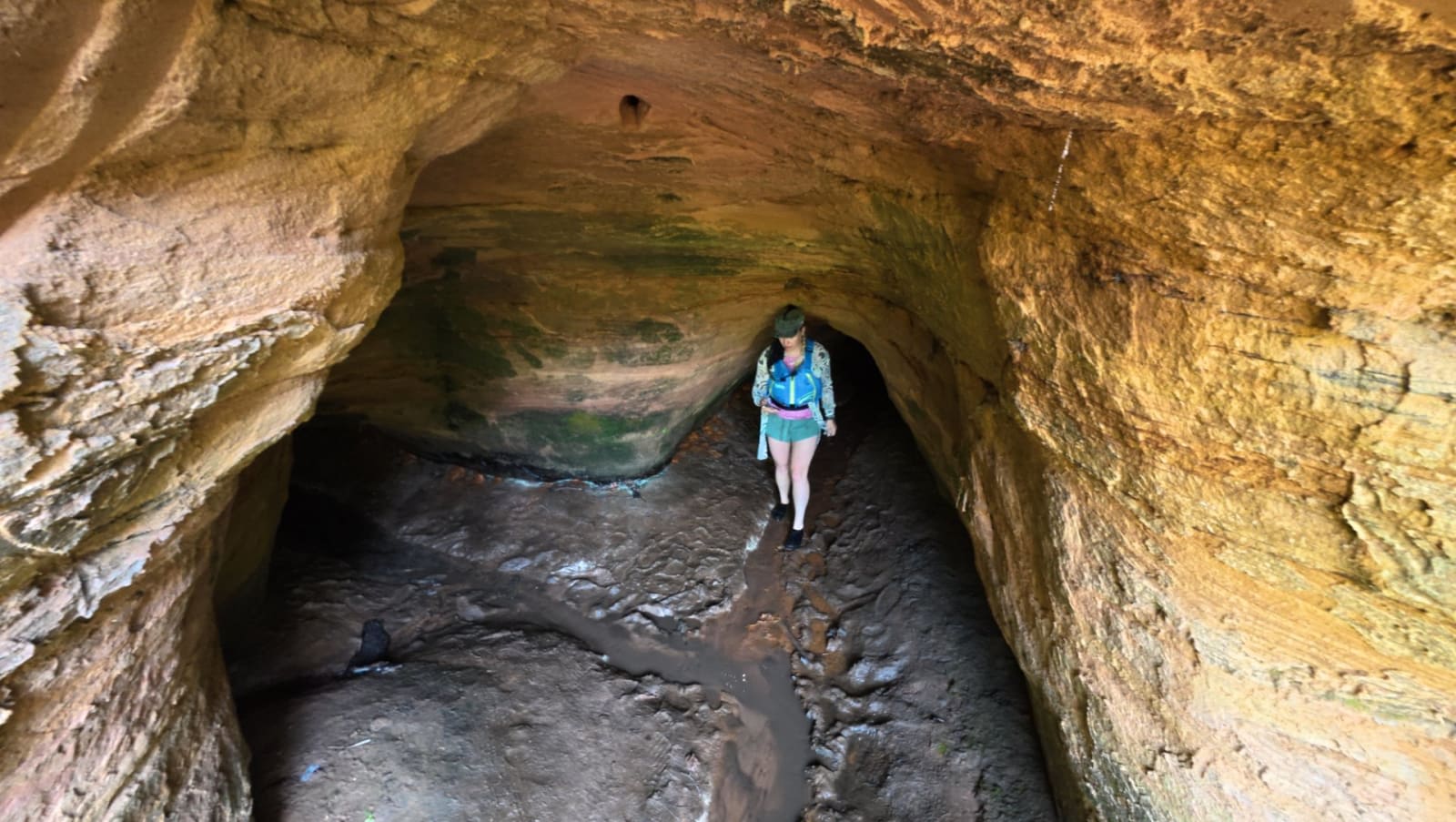
The Salaca (Latvian: Salaca, German: Salis) rises from Lake Asti (Burtnieks) and flows for 95 km through the Vidzeme region before emptying into the Gulf of Riga near the town of Salacgrīva. Its catchment area covers 3,421 km², the greater part of which lies within Latvia. The Salaca is celebrated for its Devonian red sandstone cliffs, caves and rapids, which make it one of the most visually striking rivers in Northern Latvia. The river passes through three notable settlements: Mazsalaca Staicele Salacgrīva Nature and Ecosystem The Salaca is one of Latvia's most important wild salmon rivers, with numerous natural spawning grounds for both Atlantic salmon and sea trout. Other species found in the river include: Lampreys, traditionally caught using wooden fish traps built across the river – a custom unique to this region Pike, perch, bream, ide, roach and other cyprinids Along stretches of the riverbank, sandstone cliffs rise up to 20 metres above the water. The most celebrated outcrops are Pietraga – reaching 10 metres in height and extending 400 metres in length – and Skaņaiskalns, which rises to 20 metres over a stretch of 90 metres. The river's average discharge is 31–34 m³/s. The catchment landscape breaks down as follows: 40% agricultural land 30% forest 12% wetlands Protected Areas and Conservation Since 1997, the Salaca catchment – together with Lake Burtnieks – has formed part of the North Vidzeme Biosphere Reserve, a site recognised under UNESCO's Man and the Biosphere programme. Along the middle course of the river lies the Salaca Valley Nature Park, a Natura 2000 site that protects the river's remarkable sandstone landscape, its fish populations, and the age-old tradition of lamprey fishing. Historical Significance For centuries the Salaca was navigable and served primarily as a timber-transport route. The harbour at its mouth was a key trading post where goods were transferred onto seagoing vessels. As early as the 5th–6th centuries, a Livonian hillfort known as Salatse stood at the river mouth, functioning as an important early trading centre for the region. In 1207, by order of Bishop Albert, a trading post was established here – it was the only sea harbour belonging to the Archbishopric of Riga.
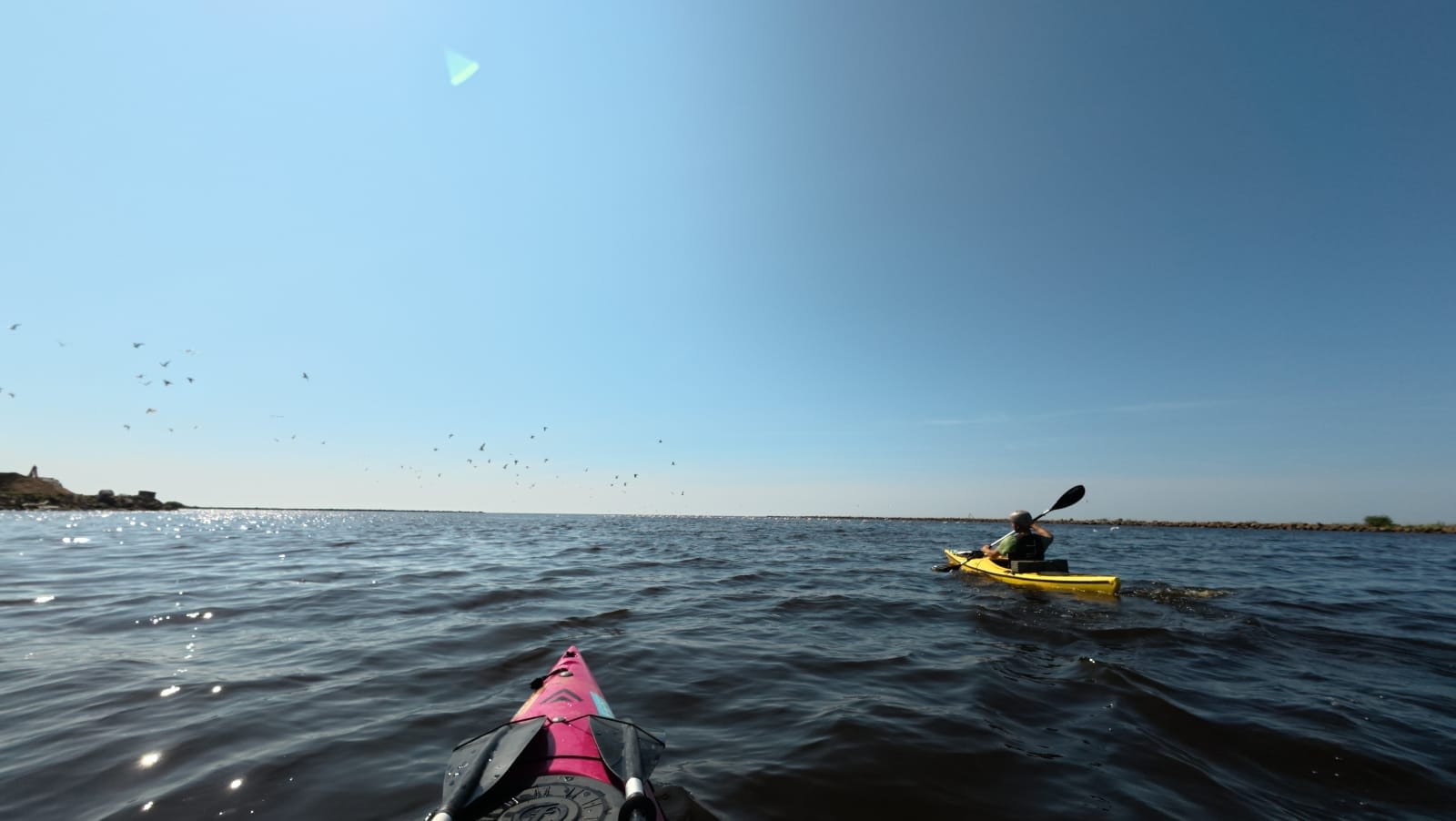
Gallery
Practical tips
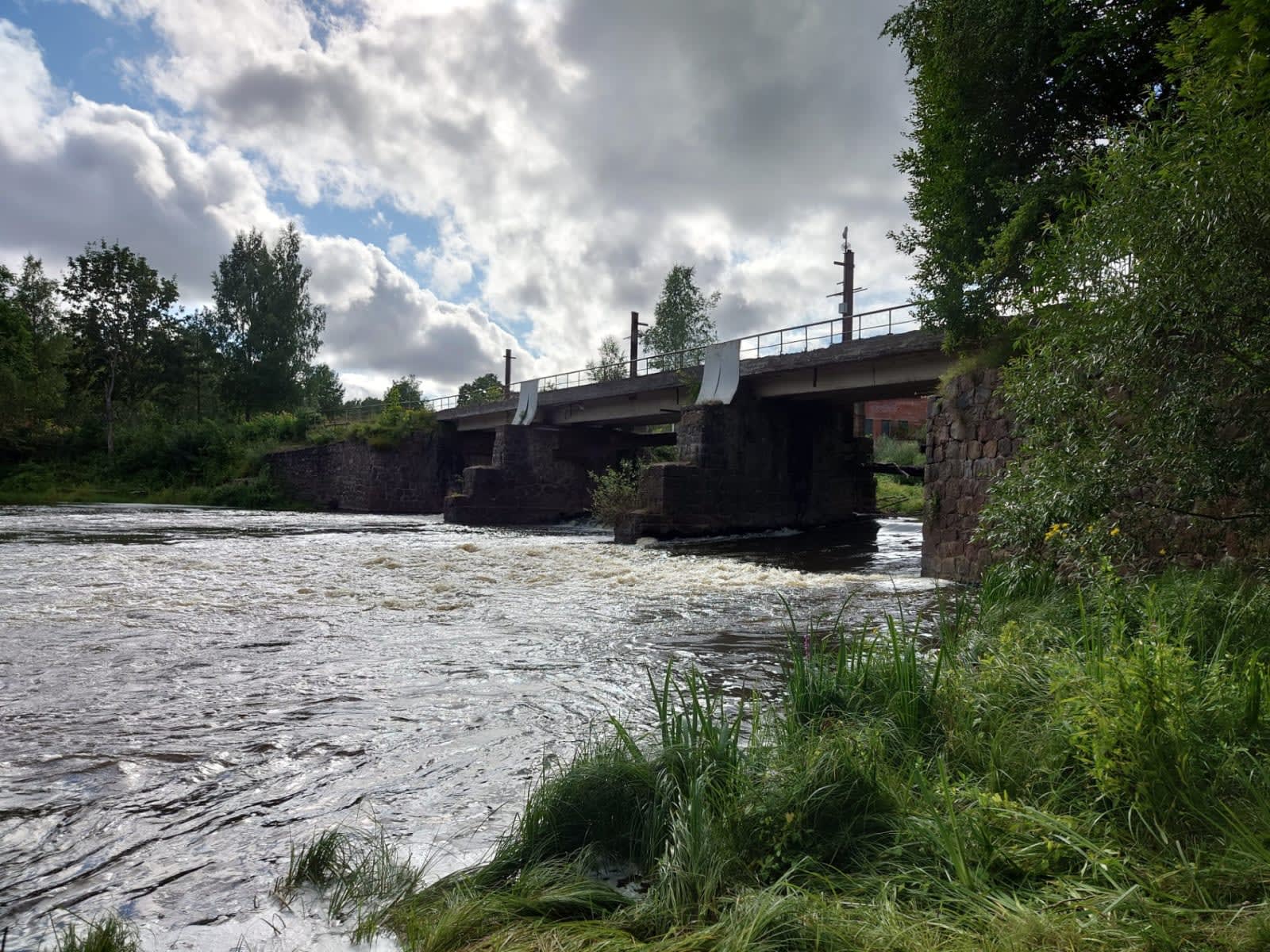
In a dry summer the rapids can become very shallow, and submerged rocks may then prove quite a challenge.