
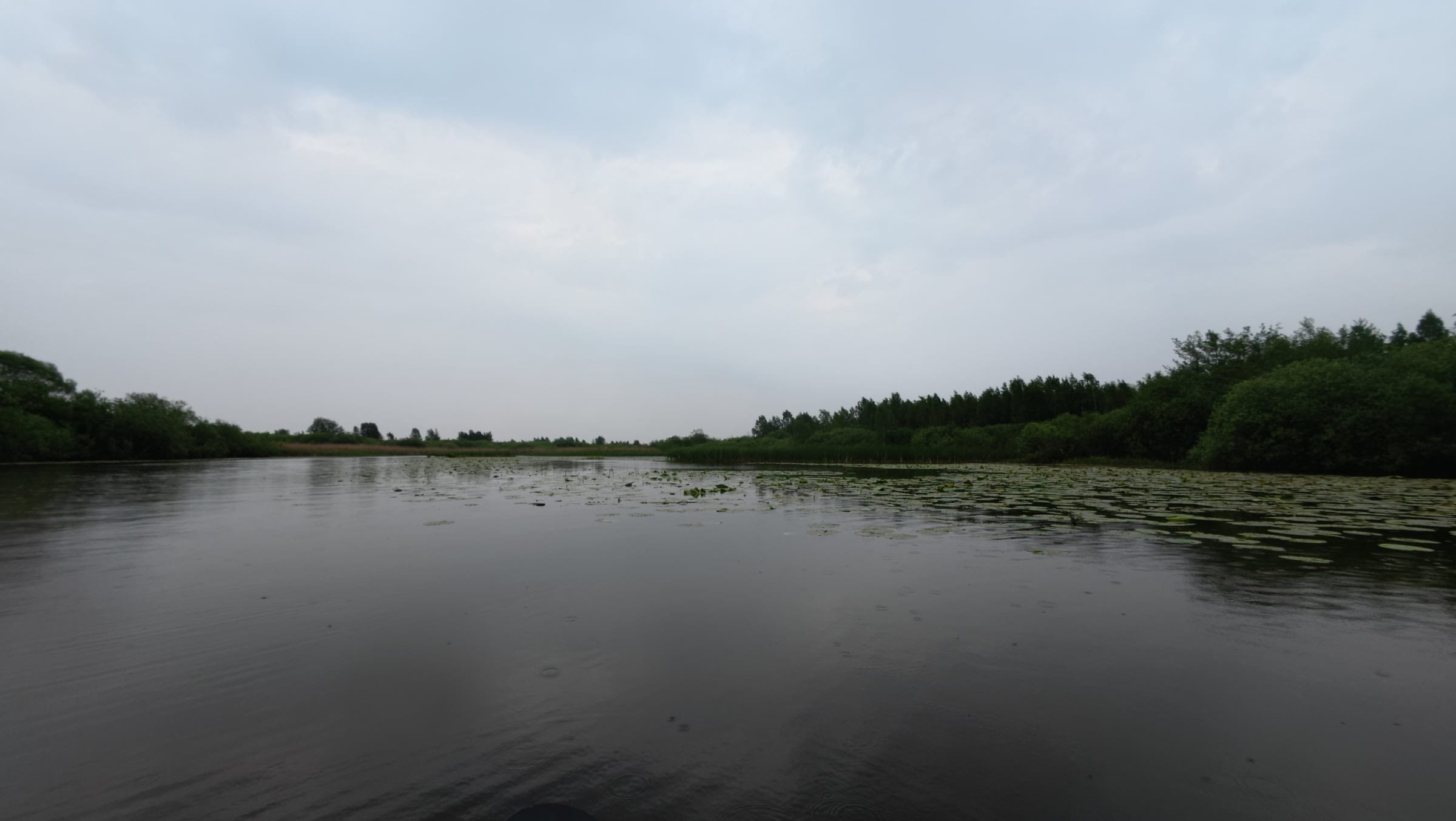
Emajõgi Great Bog
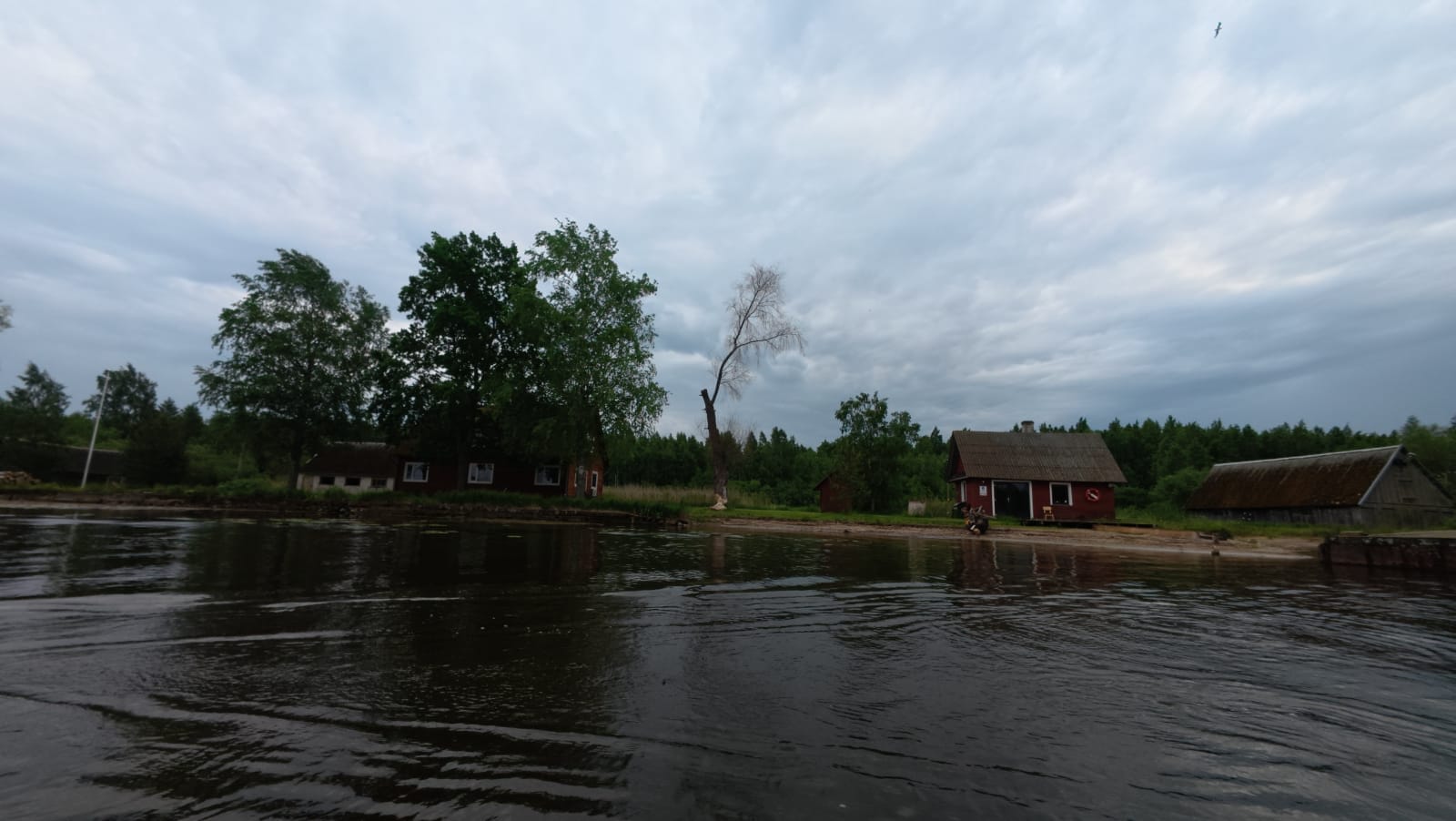
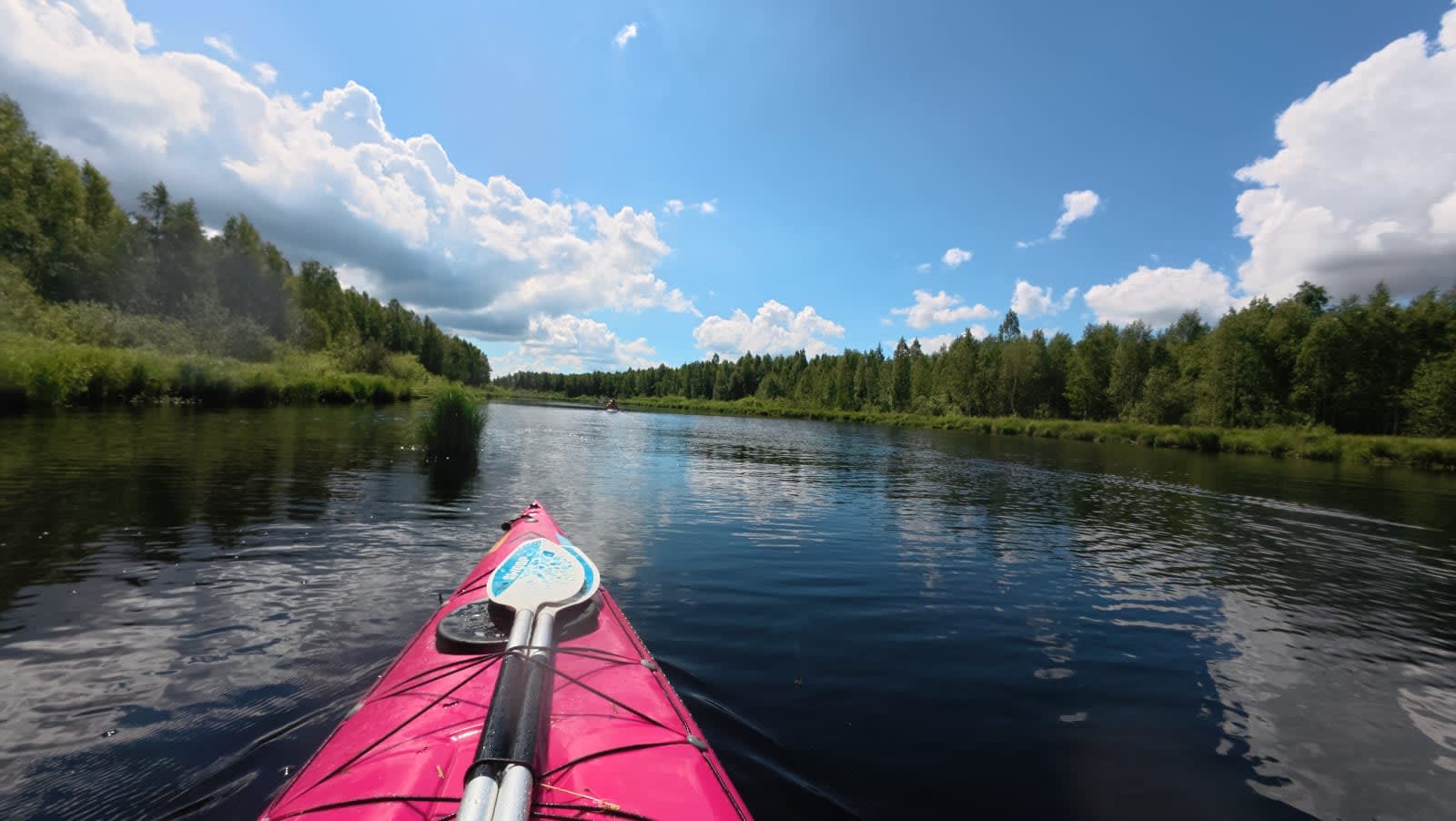
The Emajõgi is one of Estonia's largest rivers, flowing from Lake Võrtsjärv to Lake Peipus and offering superb opportunities for kayaking, canoeing and rafting. It rises at Rannu-Jõesuust and meets Lake Peipus at Praaga, forming a vital stretch of the Greater Emajõgi waterway. The river's main tributaries — the Pedja, Elva, Amme, Laeva and Ahja — weave together a diverse and endlessly varied network of paddling routes. At 101 km long, 20–145 m wide and up to 11 m deep, the Emajõgi caters equally well to a leisurely drift and a more energetic kayaking adventure. Through its middle reaches, the river winds through the ancient Emajõgi valley, one of Estonia's most beautiful natural landscapes and a much-loved destination for canoe touring. Soft, marshy banks and sweeping flood meadows frame the river on both sides; in spring, when high water inundates the surrounding lowlands, the scenery becomes truly spectacular. The Emajõgi is renowned for its 102 floodplain water bodies and numerous oxbow lakes, which create an ideal environment for exploration by raft or on a nature excursion. During periods of high water the river can even reverse its flow — a phenomenon unique among Estonian rivers. This varied character makes the Emajõgi one of the finest destinations for paddlers of every level, offering routes that are both safe and richly rewarding. Historically known as the 'Mother of Waters', the river holds a special place in Estonia's waterway heritage, its culture and the story of paddling in this corner of Northern Europe.
River sections
Emajõgi Great Bog
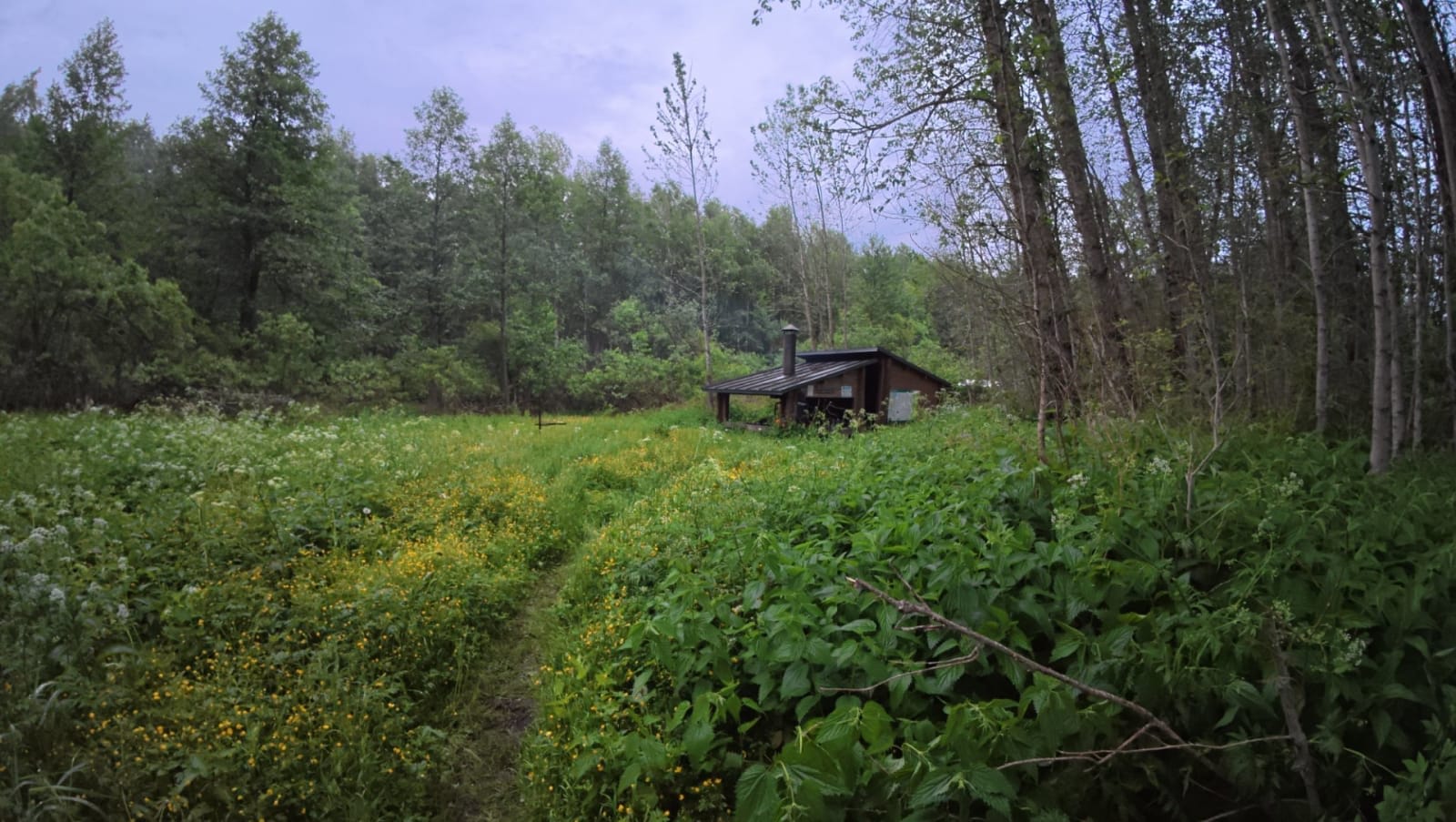
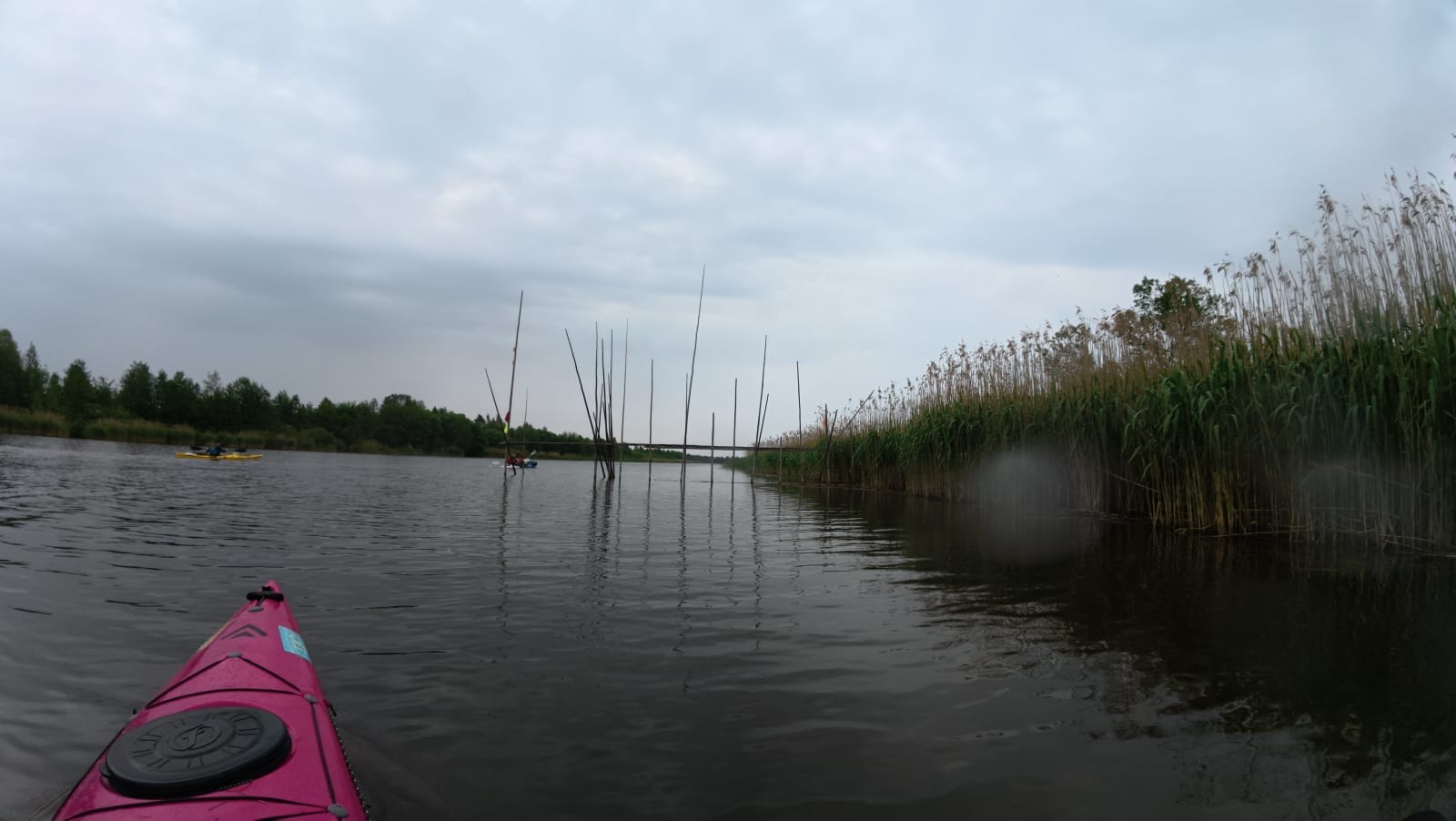
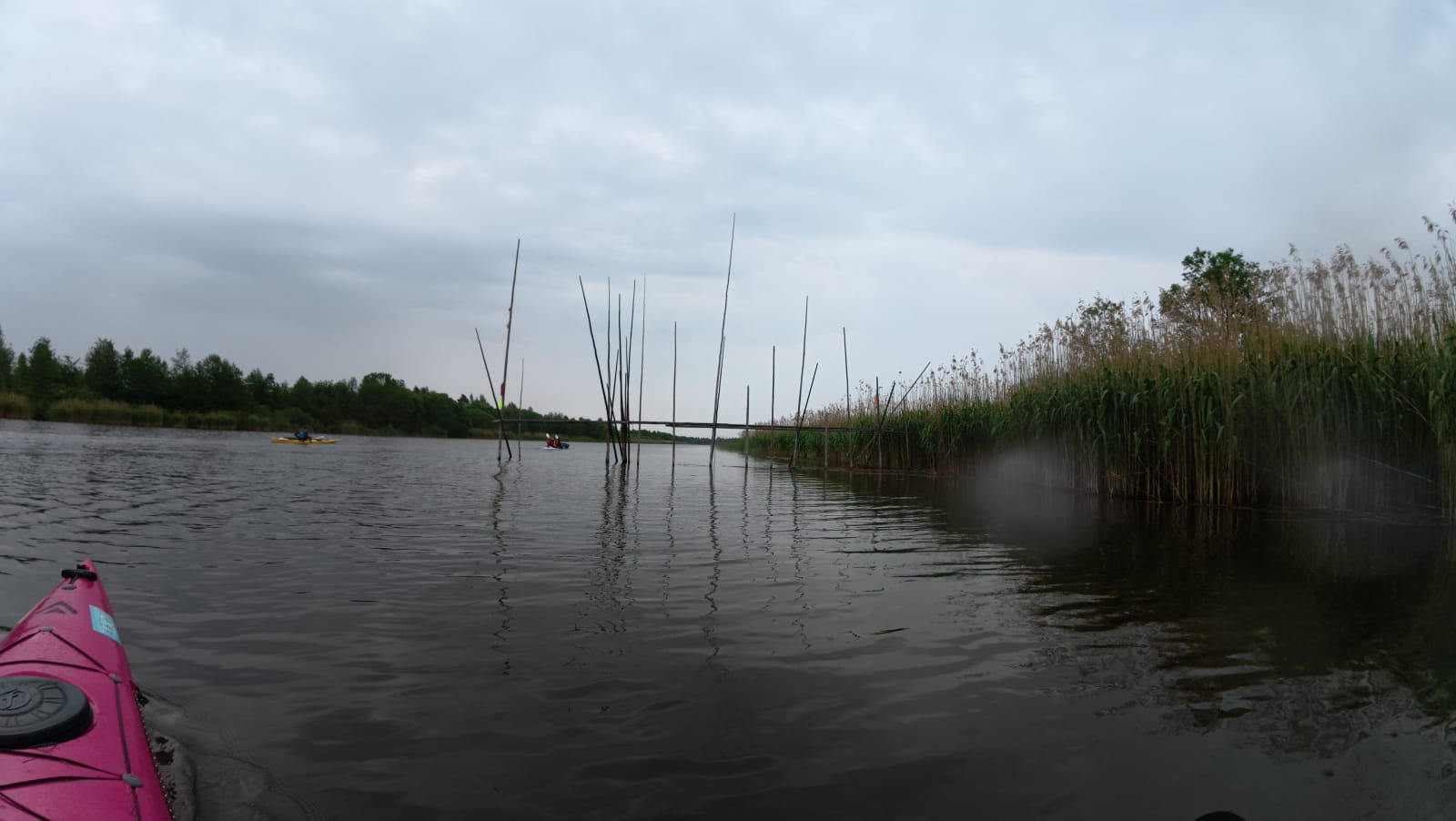
The Emajõgi Great Bog is a fascinating paddling destination, though it is certainly not the easiest place to take on. Expect plenty of paddling — and plenty of effort — because there is virtually no current to carry you along, regardless of whether you are heading downstream or upstream. The banks are mostly soft and marshy, making it difficult to pull out and take a break. Along the Emajõgi itself there are quite a few RMK (State Forest Management Centre) campsites: two of them have shelters with a roof, while the others offer little more than a grill grate and a fire pit — but at least you can land at them. Once you continue onto the Kalli River, campsites disappear entirely and there is nowhere suitable to stop along the banks. The Kalli is similarly broad and wide, with almost no perceptible current.
Gallery
Practical tips
Stay close to the banks to avoid being swamped by the wash from speeding motorboats.
Want to paddle here?
We have no scheduled tour on this river at the moment. Write to us and we will look at what can be arranged here — or point you to one of our upcoming tours.