
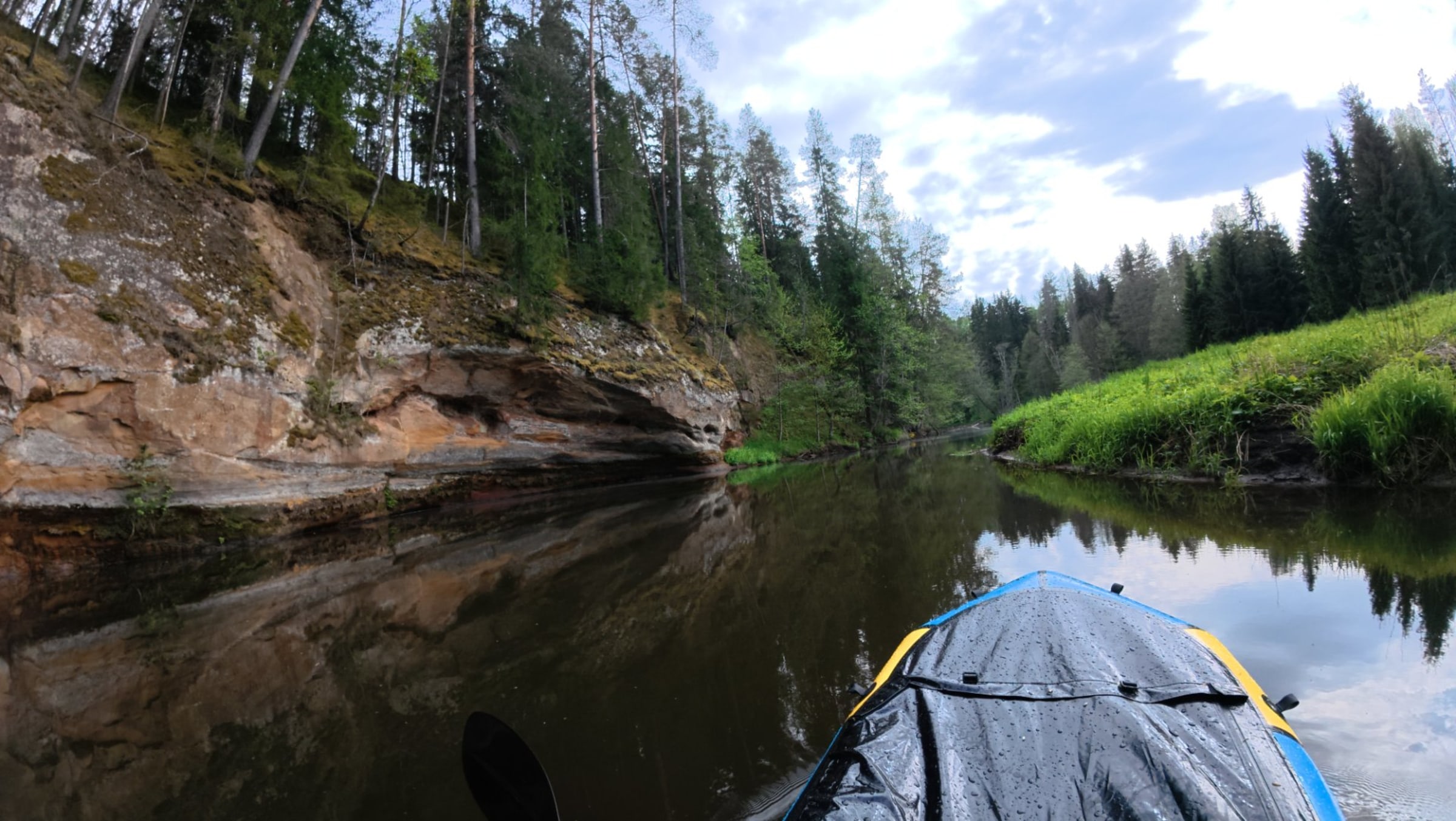
The Võhandu is the longest river lying entirely within Estonia. It rises near Saverna village and flows into Lake Lämmijärv close to Võõpsu, stretching 165 km in total and draining a catchment area of 1,402 km². The upper section above Lake Vagula is traditionally known as the Pühajõgi, while the lower reaches are sometimes called the Voo River. The ancient valley of the Võhandu, with its striking sandstone cliffs, is a protected natural area; the most famous landmarks along the way are the Viira mill weir and the Taevaskoda sandstone caves. In its lower reaches the river is more than 60 metres wide, and a small delta with several river islands forms near the mouth. The Võhandu is navigable from the Peipus–Pskov lake system all the way up to Võõpsu harbour. Several tributaries feed the river, and the most notable impoundments are the Leevaku and Räpina reservoirs. The Võhandu also holds a special place in Estonian folk tradition, where it was regarded as a sacred river associated with Pikne, the god of thunder. Note: The facts used in this text are based on publicly available information, including Wikipedia. The Võhandu is an outstanding destination for kayak touring, packraft adventures and leisurely paddling excursions, catering equally well to beginners and seasoned paddlers. The river is perhaps best known as the course of the legendary Võhandu Marathon. Paddling the Võhandu reveals a constantly changing landscape: sandstone cliffs, ancient mill weirs, narrow gorges and beautiful forested stretches. There is enough variety to keep the journey exciting, while the river remains safe and manageable even for less experienced paddlers. The Võhandu River is the perfect choice for anyone seeking: A scenic multi-day paddling trip in nature An adventurous kayaking expedition A packrafting experience through lively rapids A multi-day water journey through southern Estonia The Võhandu is truly one of the jewels of Estonian paddling – natural, varied and utterly unforgettable.
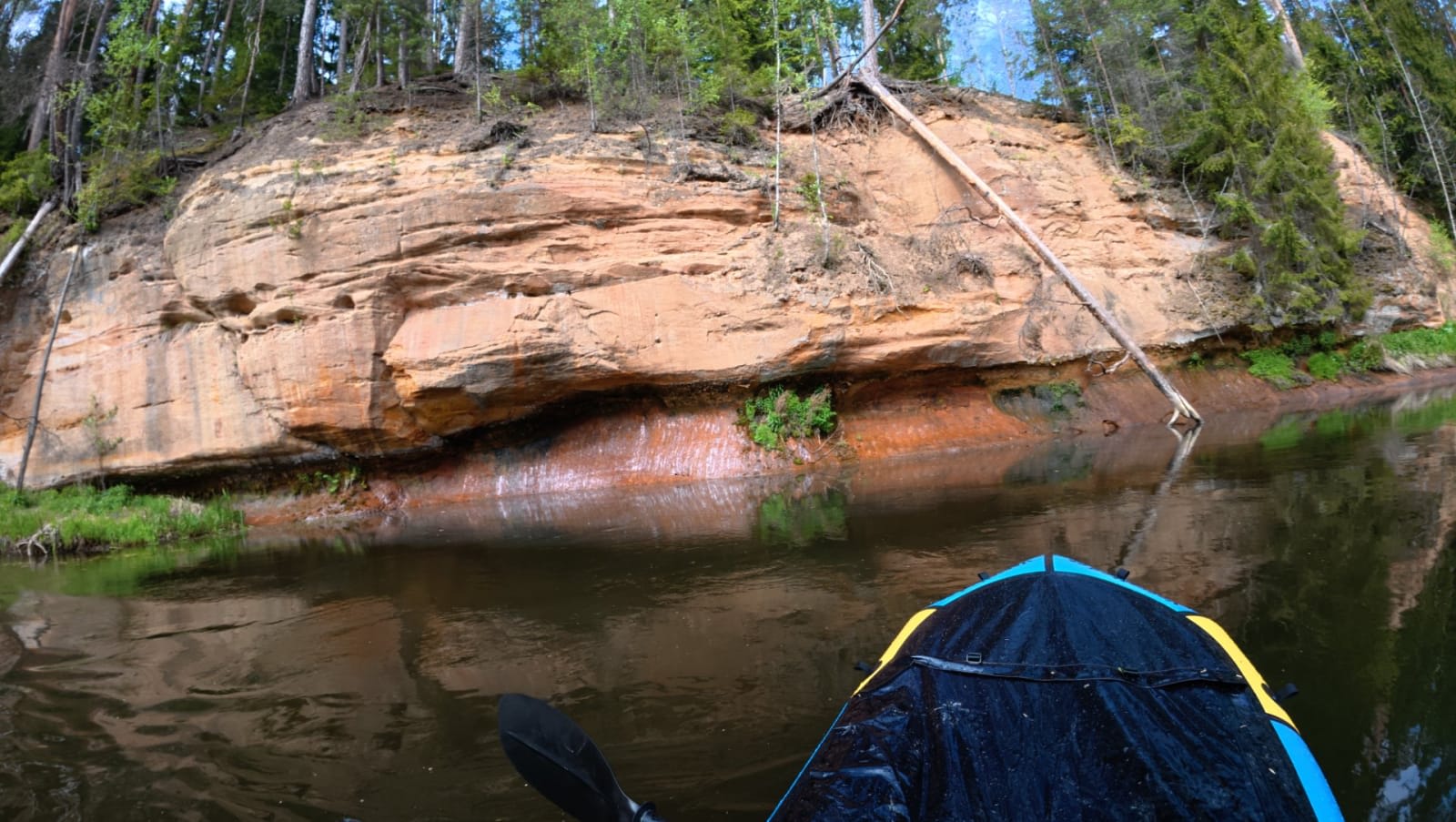
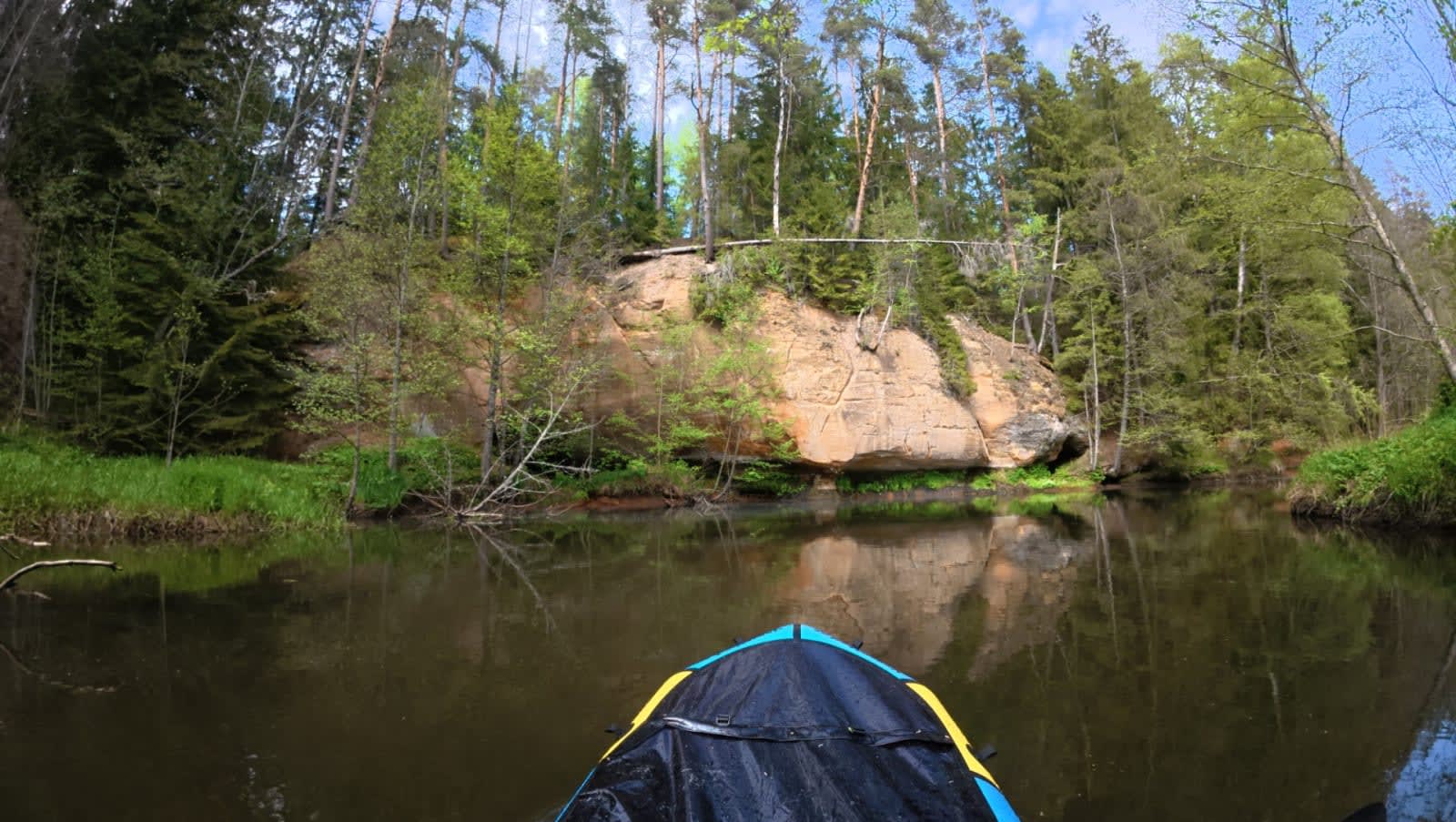
The Leevi to Reo Bridge stretch is the most thrilling section of the Võhandu River, home to all of the river's mill weirs and rapids. Who hasn't watched footage of capsizes at Viira during the Võhandu Marathon, or seen paddlers collide with the concrete bridge at Süvahavva? Every one of those famous rapids is found right here, along with the finest sandstone outcrops and caves on the entire river. This is, in our view, the section that people remember most and the reason they keep coming back to the Võhandu year after year. With careful attention to the route instructions, beginners can make it through without capsizing – though the choice of boat makes a real difference. On a packraft, the Võhandu rapids are simply great fun, with a satisfying splash of water even for a first-timer. In a kayak you will need to focus a little more on your line and your balance.
The Võhandu Marathon – those who have completed it need no introduction. The race starts on Lake Tamula, and from there to Paidra the river flows quietly and gently. After Paidra the current finally picks up and the river comes alive. Things get interesting at Leevi, where the flow quickens and the Võhandu's famous rapids begin. In truth, the heart of the marathon really starts at the Reo Bridge. Beyond that point the current settles once more and never quite regains its earlier energy. The Võhandu Marathon is a true celebration of paddling, drawing thousands of participants from around the world every year.
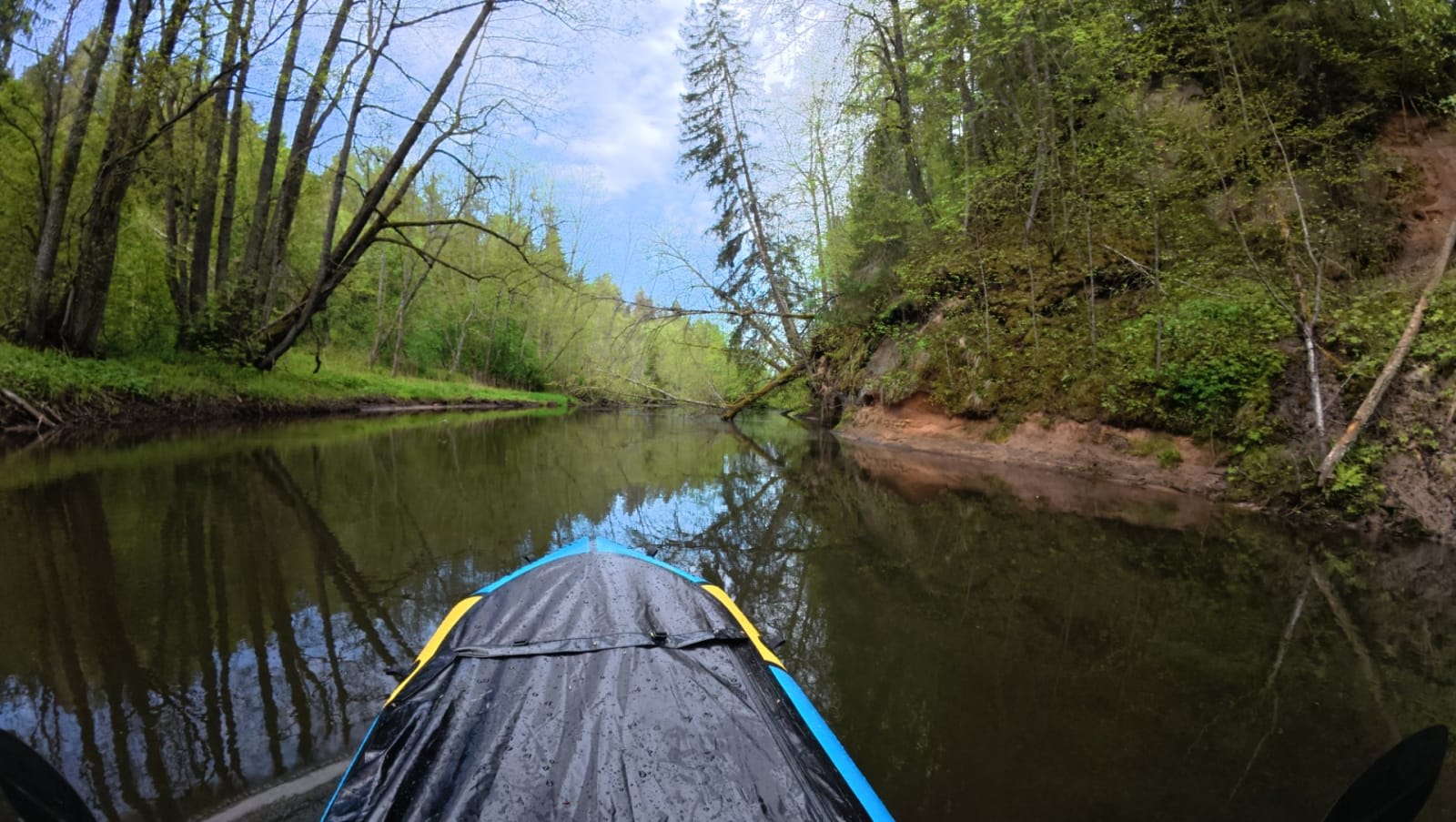
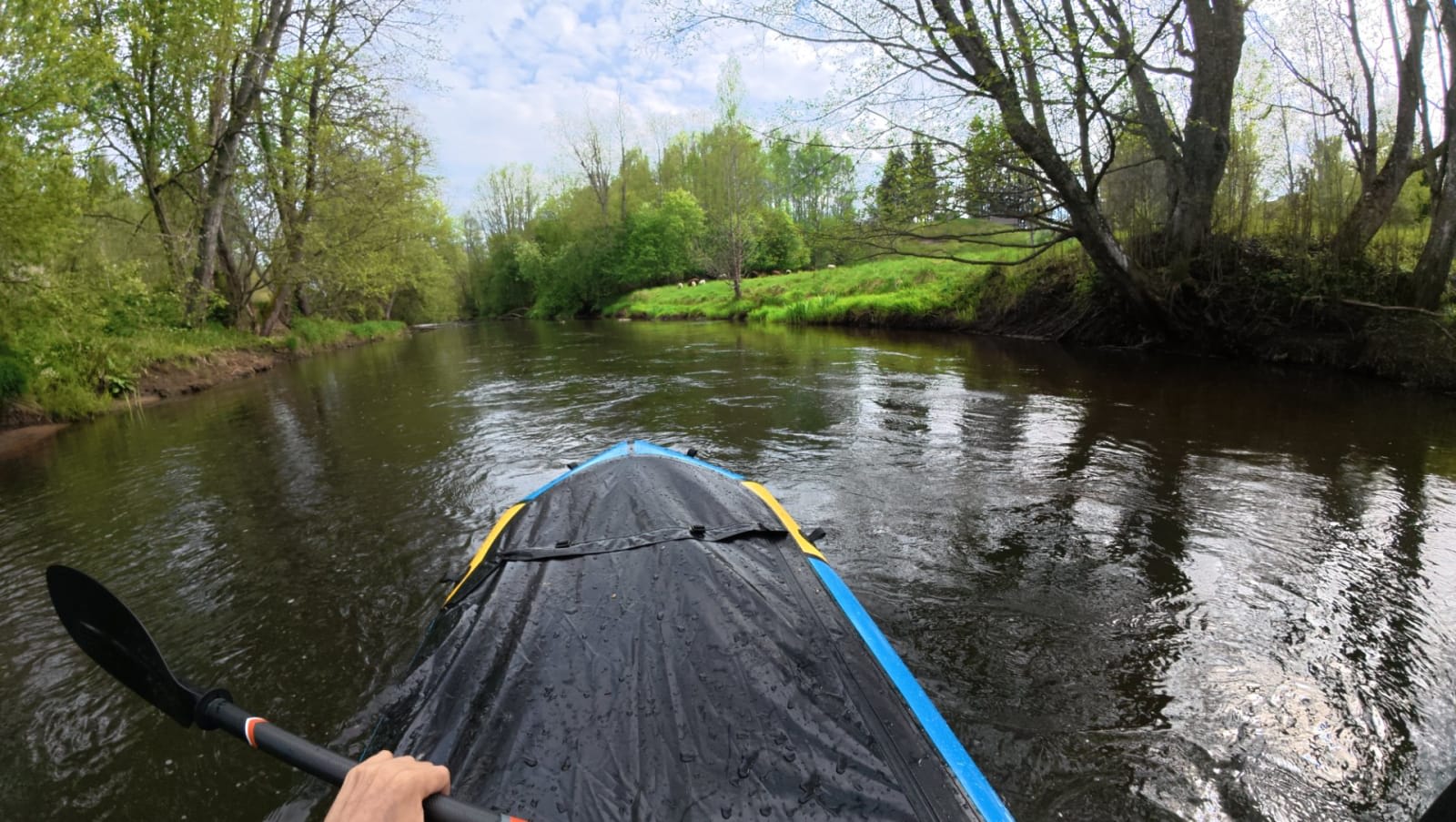
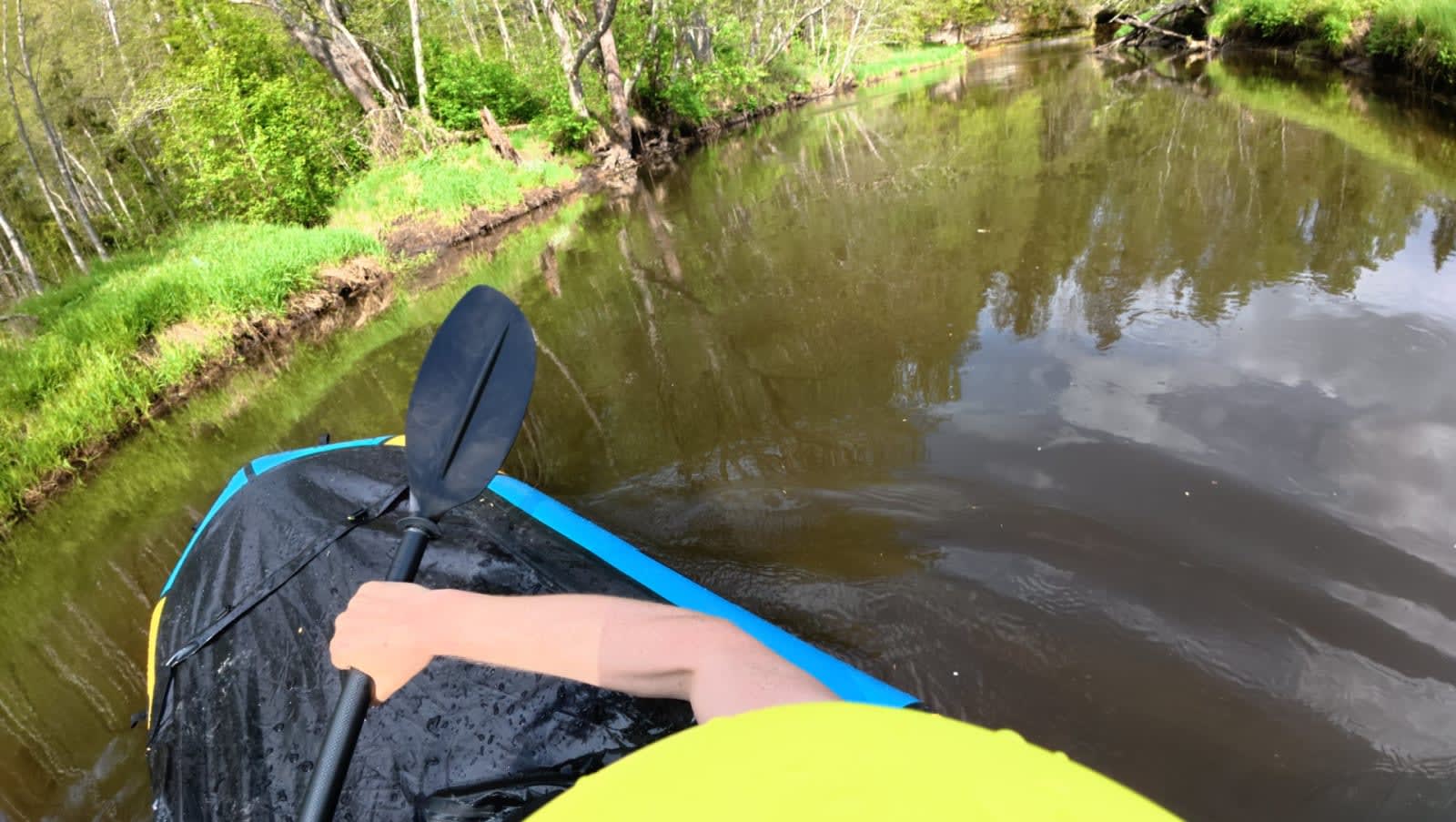
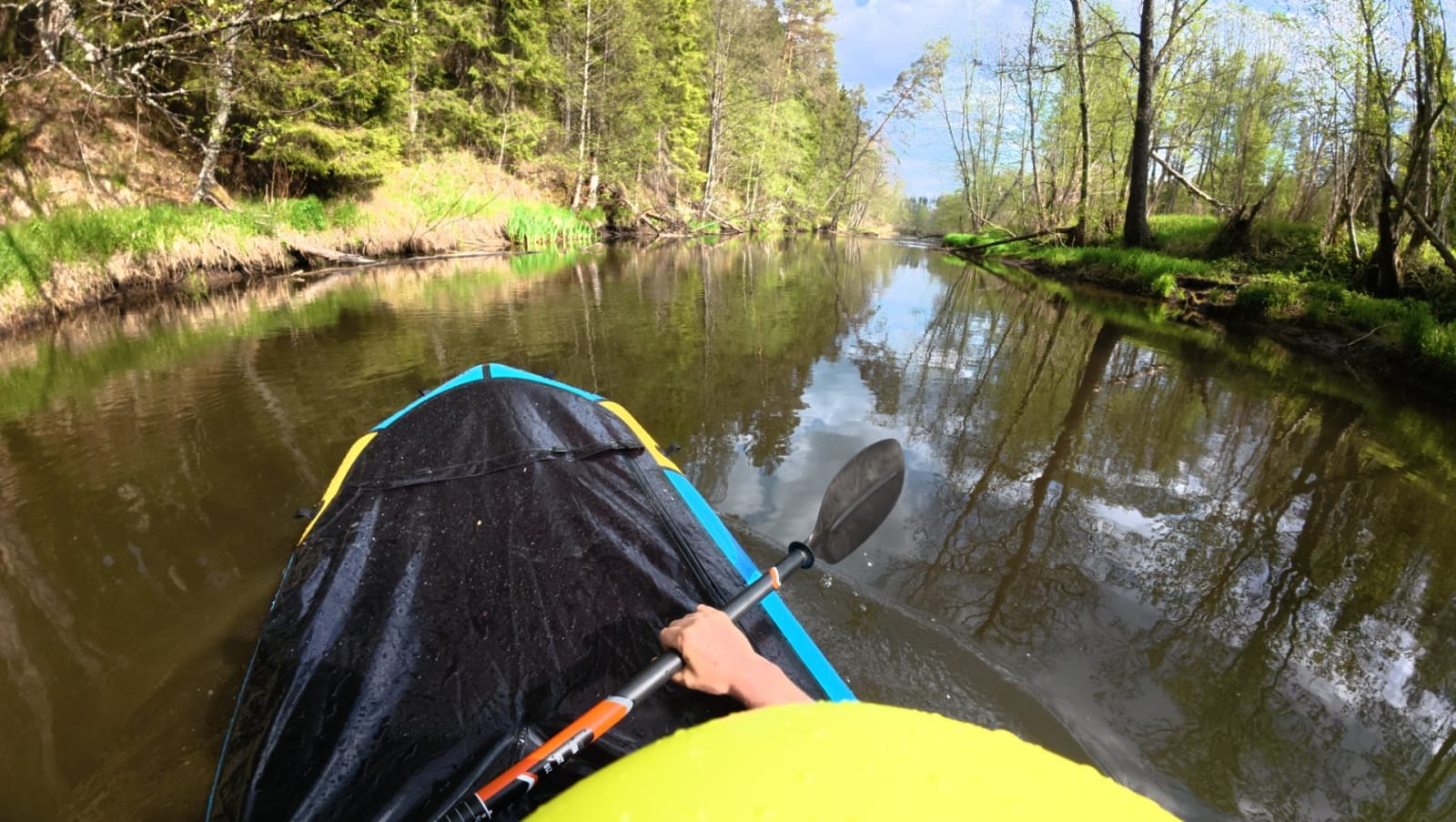
Unlike Latvia, Estonia's rivers have no established paddling trail infrastructure. Multi-day trips can be tricky to organise, as designated campsites are few and the distances between them are long. The Võhandu is no exception – paddling the entire river in a single trip means either accepting very long daily stages or wild camping along the way.