Pedja River
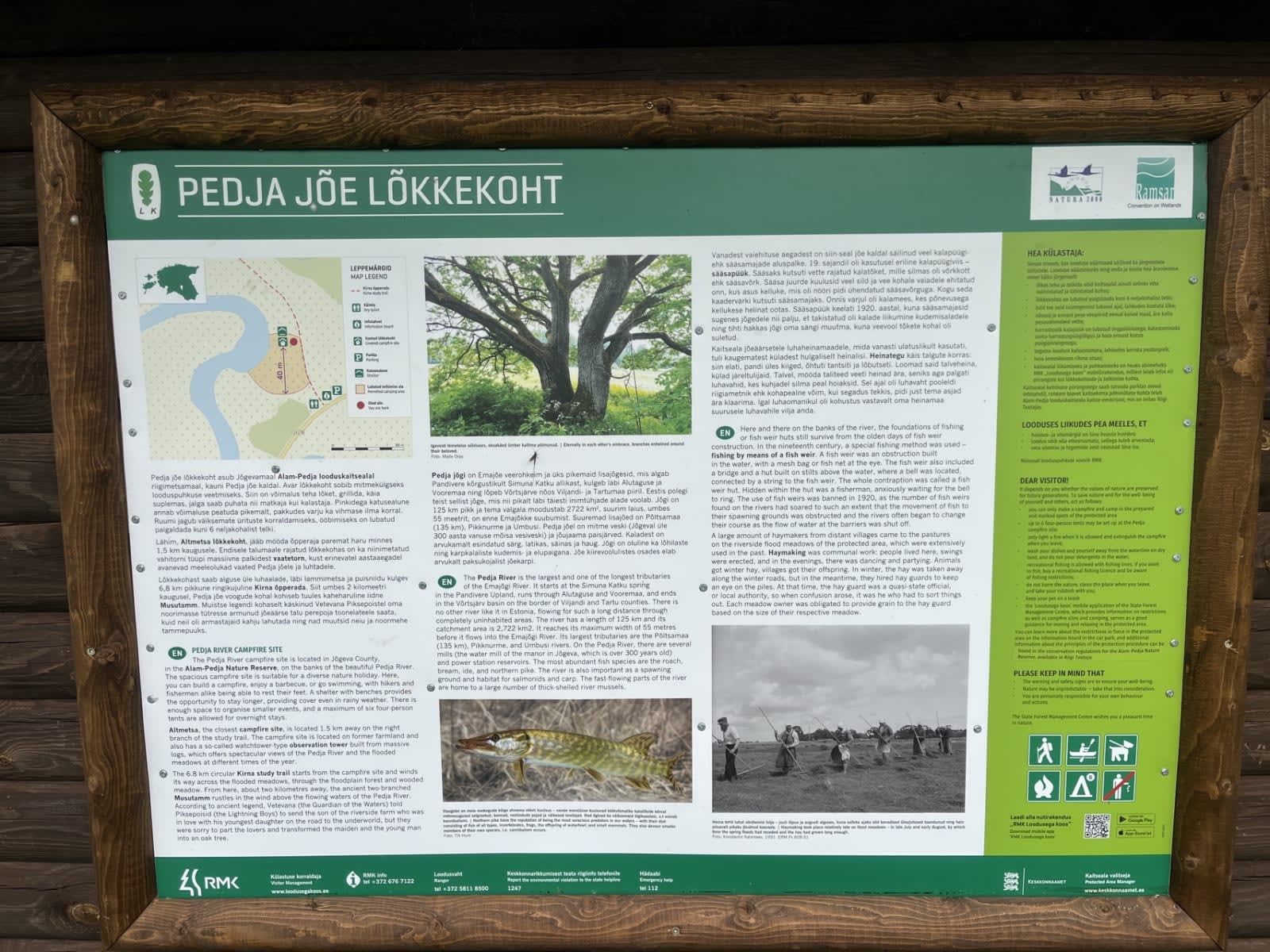
The Pedja River is the fourth longest river in Estonia. It rises on the Pandivere Upland near Simuna and flows into the Emajõgi. From its source down to the mouth of the Onga River it is known as the Avanduse River, and from its confluence with the Põltsamaa River to where it joins the Emajõgi it goes by the name Pede (historically Paala). Just before meeting the Emajõgi, the river reaches its greatest width of around 55 metres. The Pedja is 125 km long and drains a catchment of 2,688 km². The towns of Jõgeva and the settlements of Jõgeva alevik and Puurmani lie along its banks, and its principal tributaries are the Põltsamaa, Onga, Kaave, Pikknurme and Umbusi rivers. History: The Pedja (recorded as Pettige) was already mentioned as a boundary marker in a feudal grant document dating from 1408. Between 1843 and 1844 the lower course of the river, as far as the Põltsamaa confluence, was cleared for navigation, and a steamboat named Karl began operating between Tartu and the Rõika–Meleski mirror factory. In 1923–1924 the lower river was officially classified as a navigable waterway. The upper reaches around Jõgeva were considered suitable for timber floating, though only on a seasonal basis. Note: The facts used in this text are based on publicly available information, including Wikipedia.
River sections
Puurmani – Palupõhja
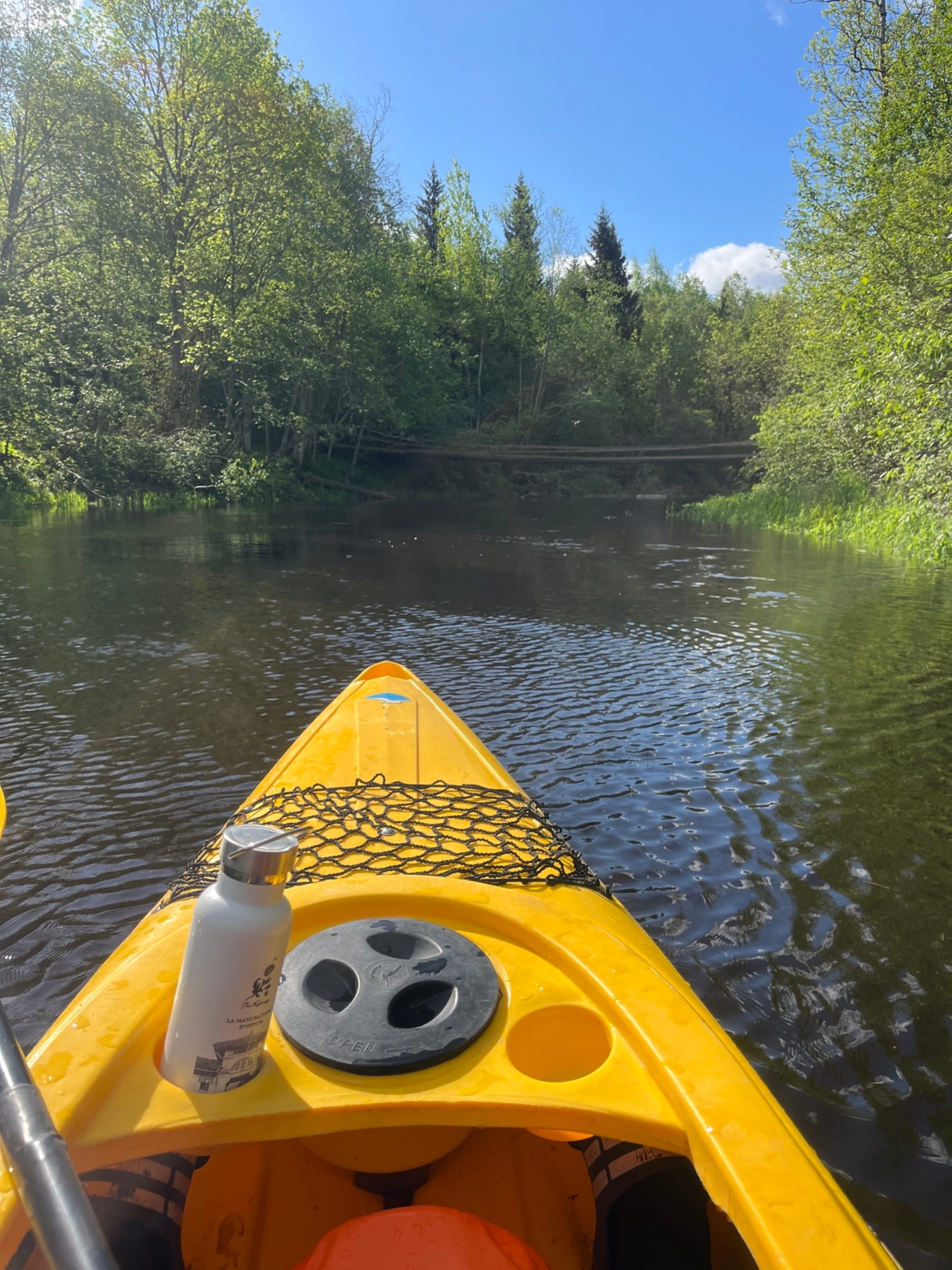
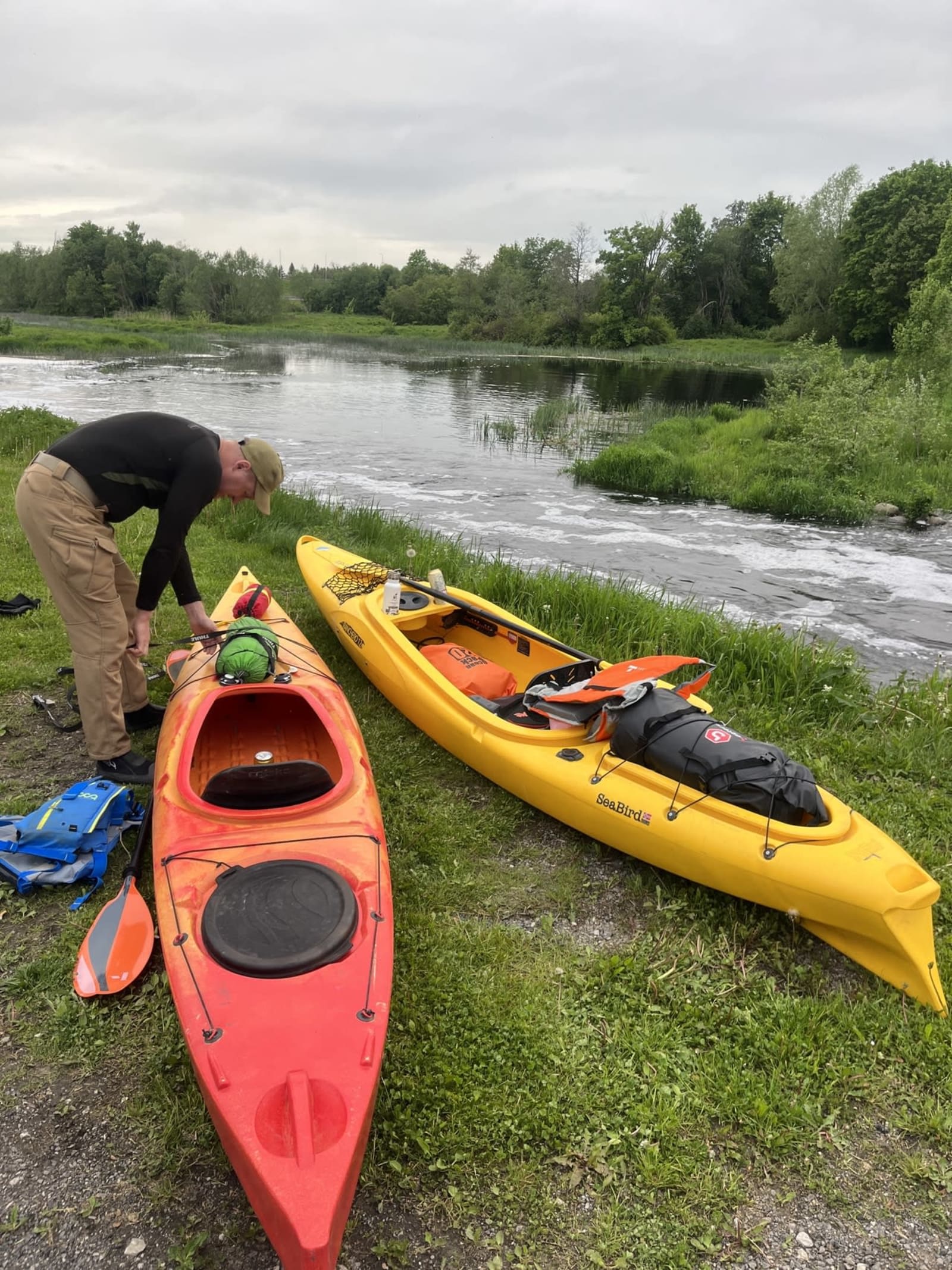
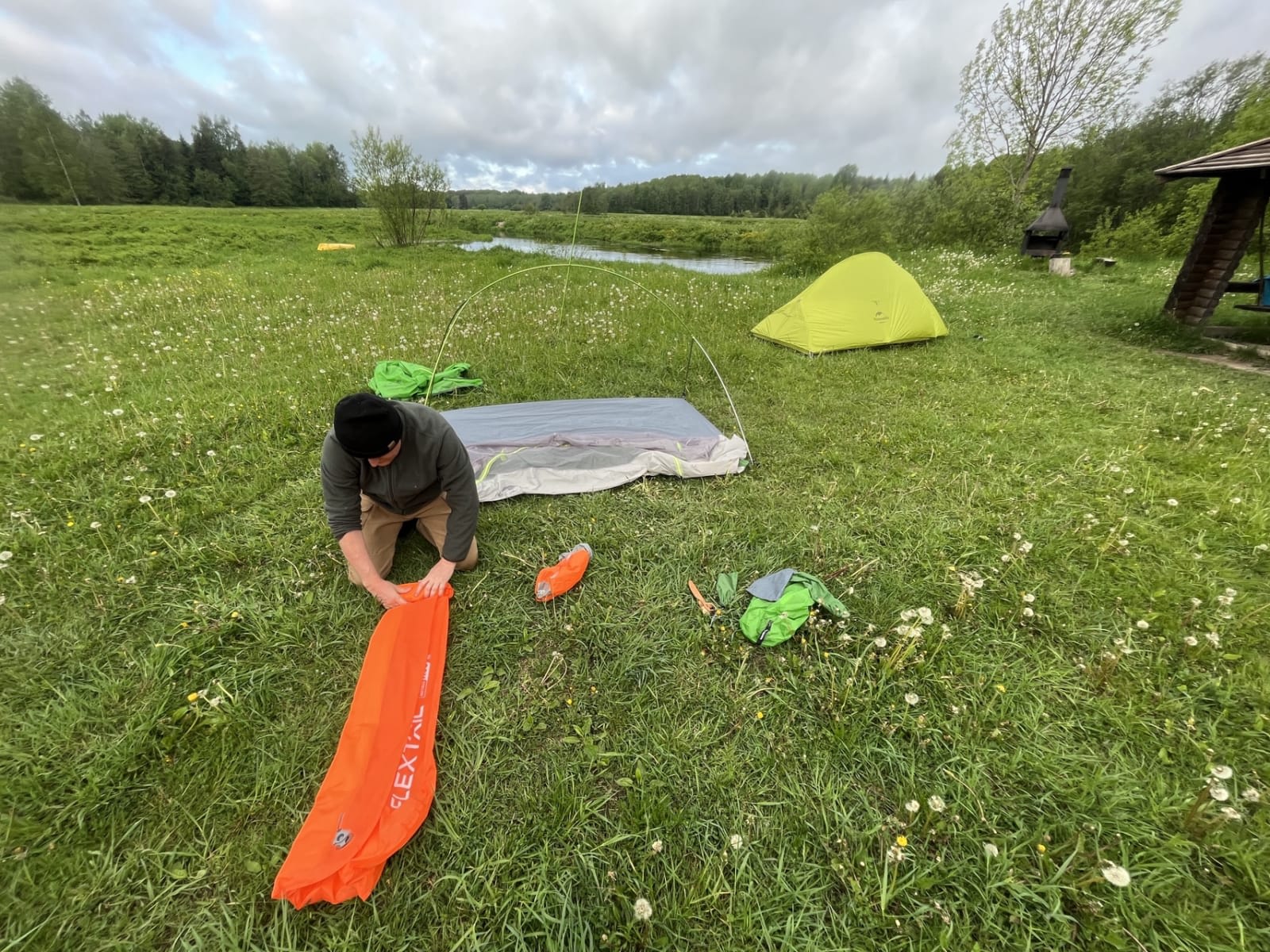
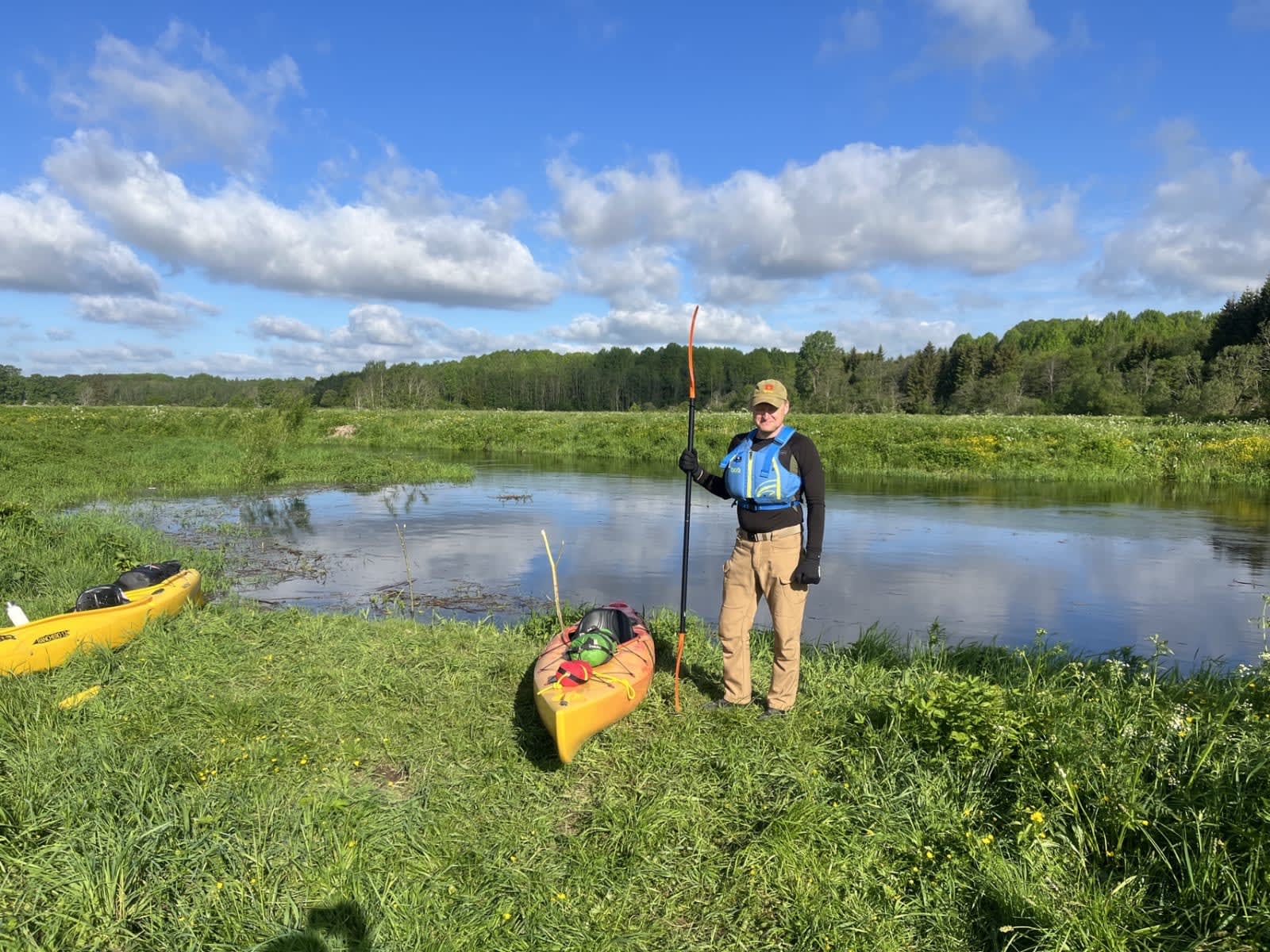
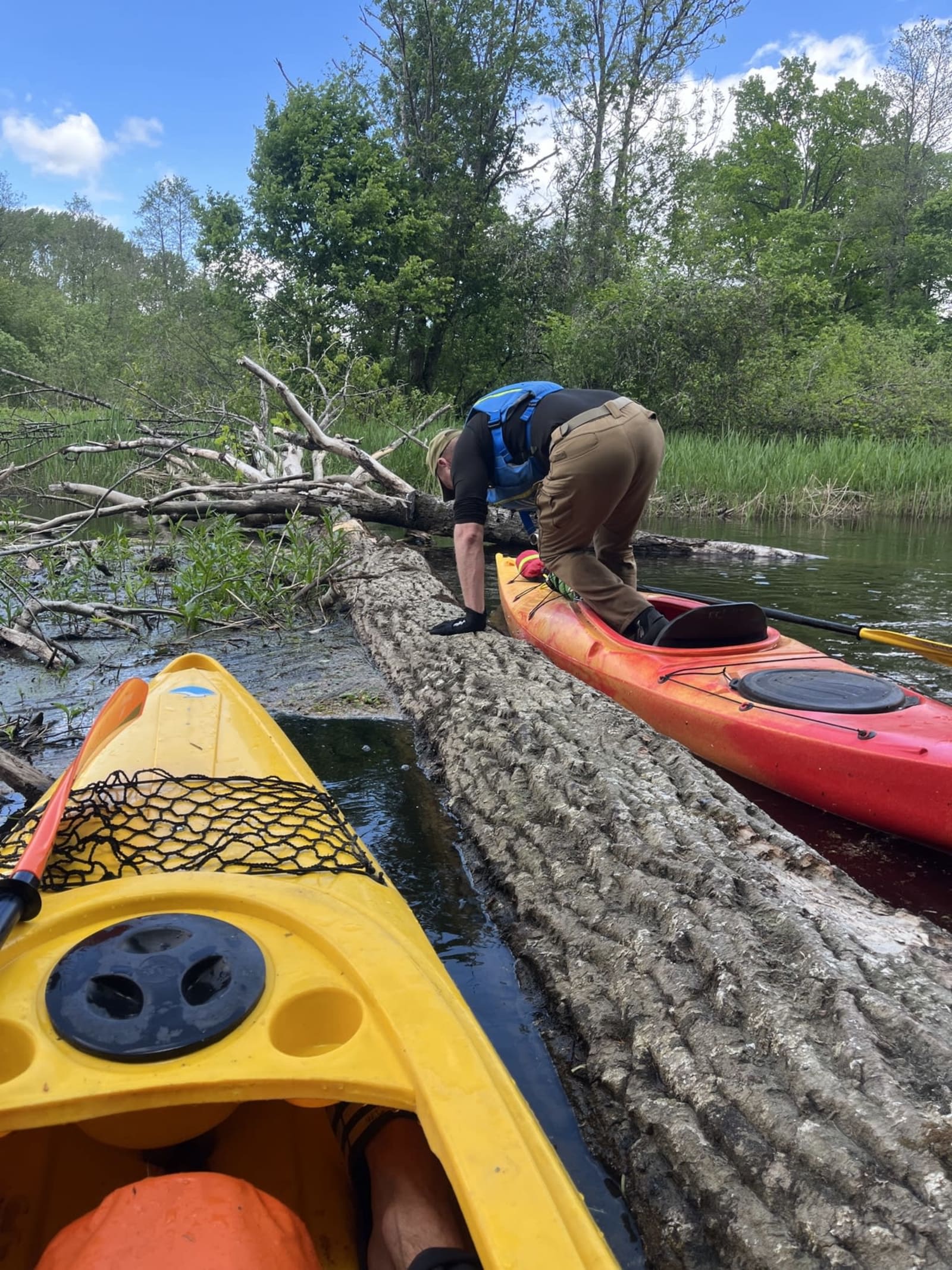
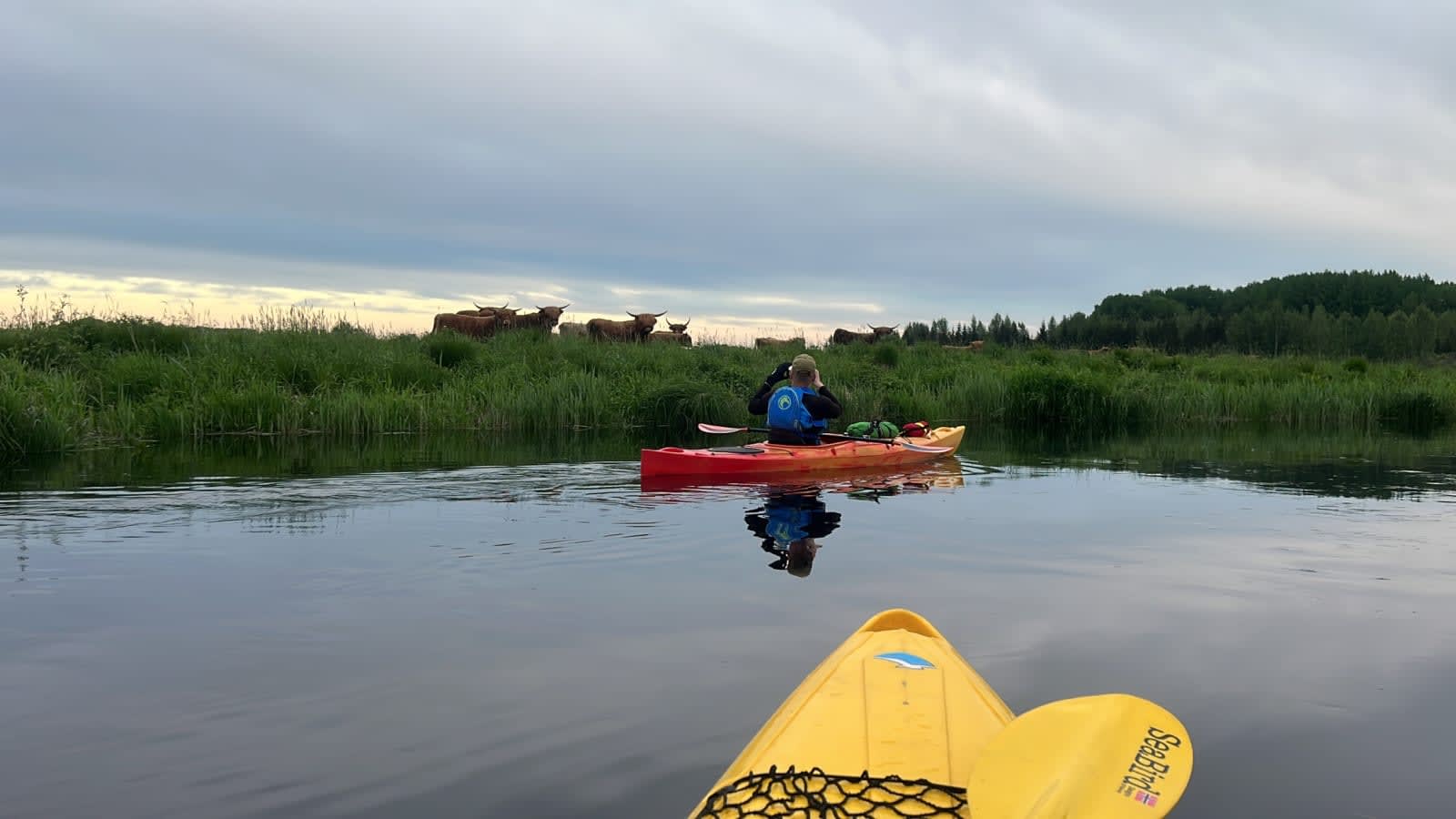
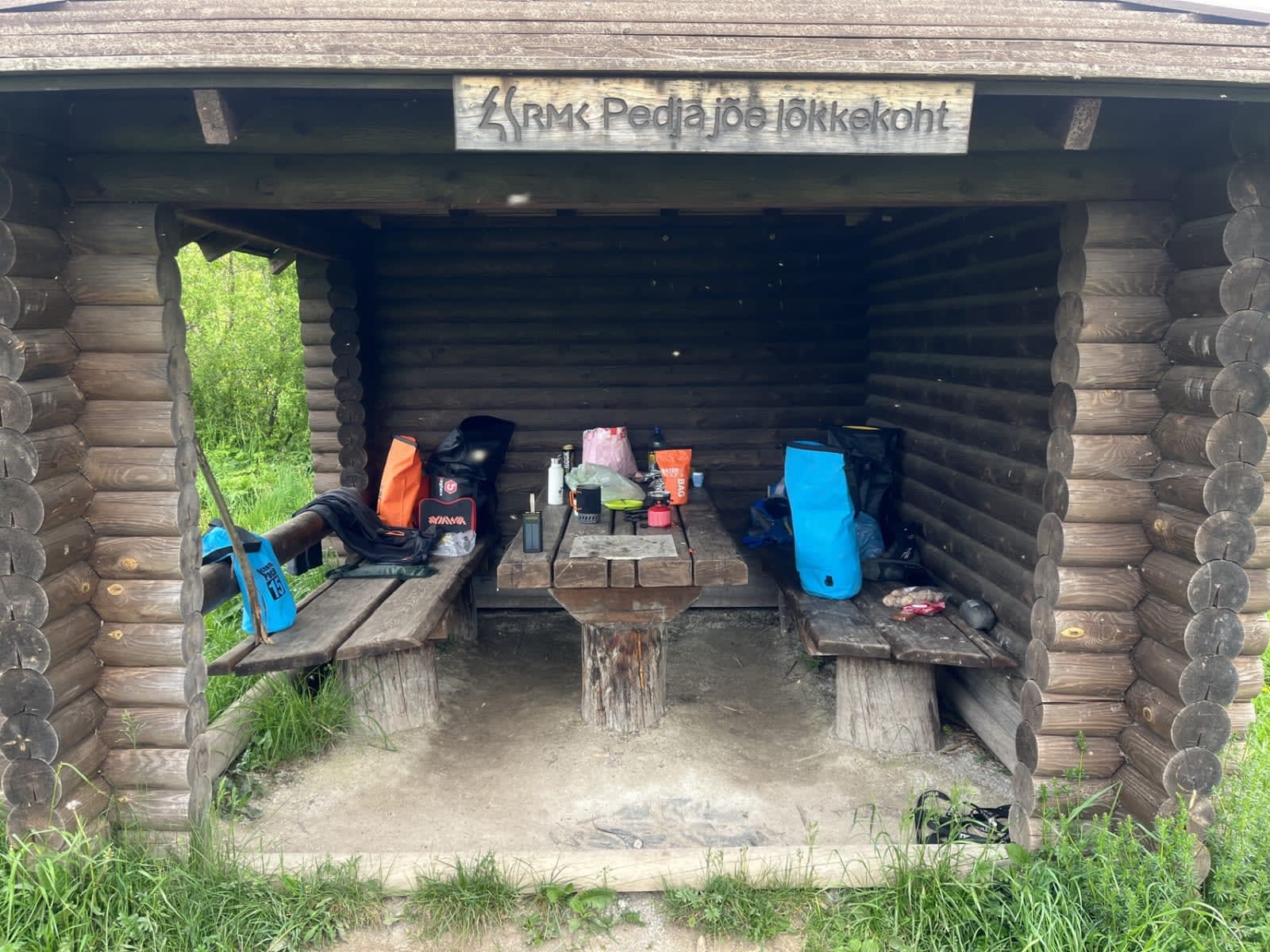
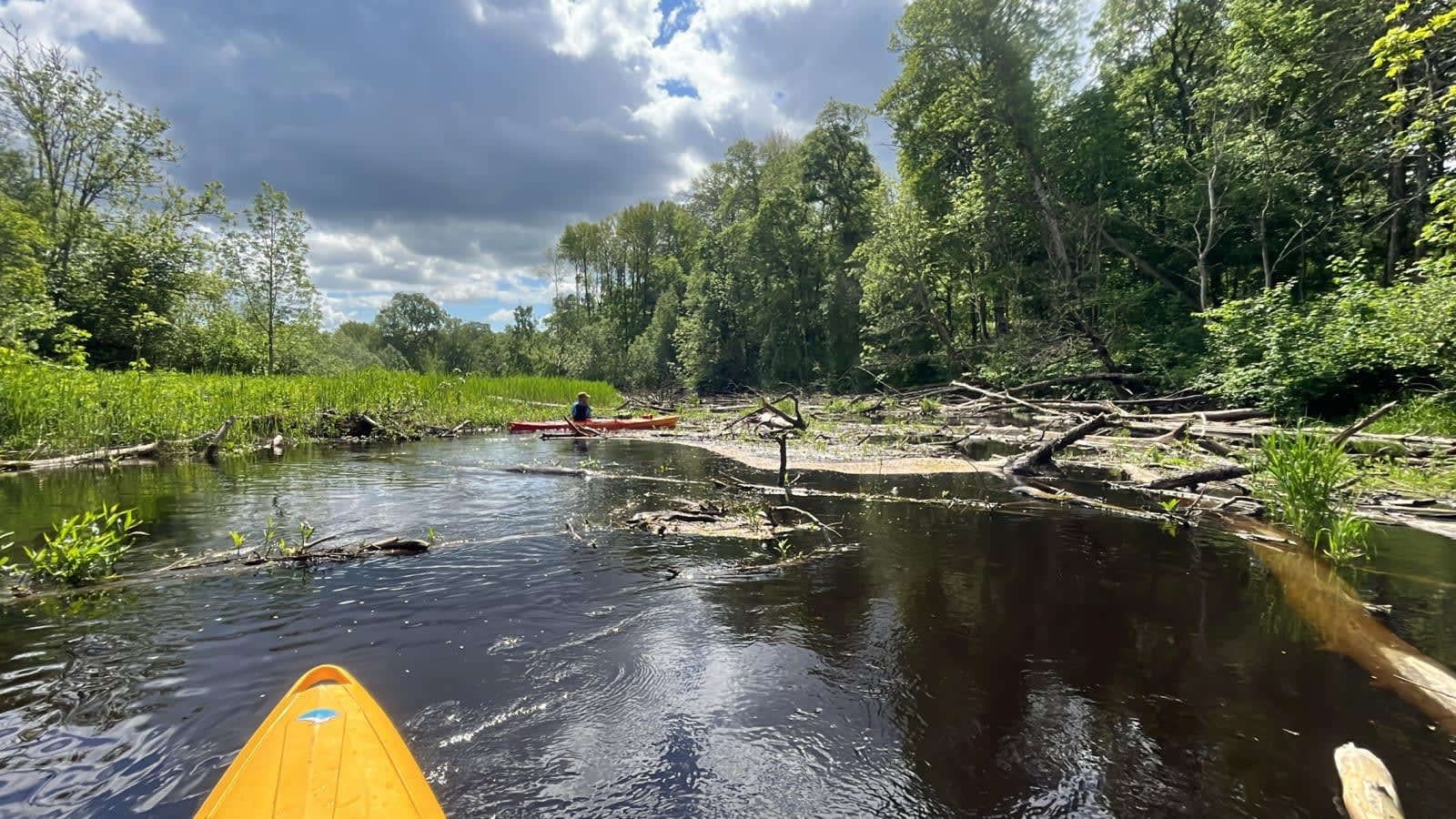
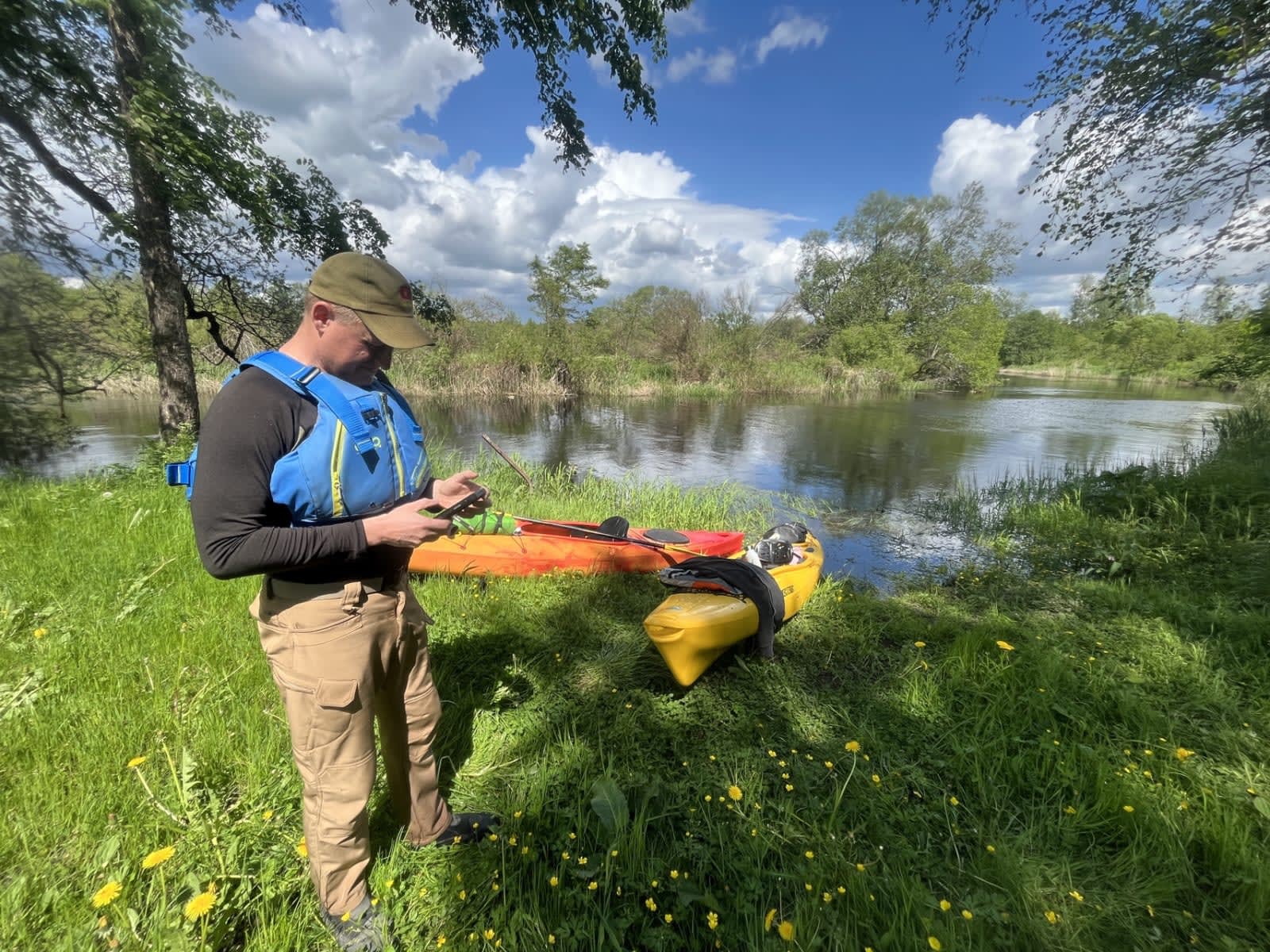
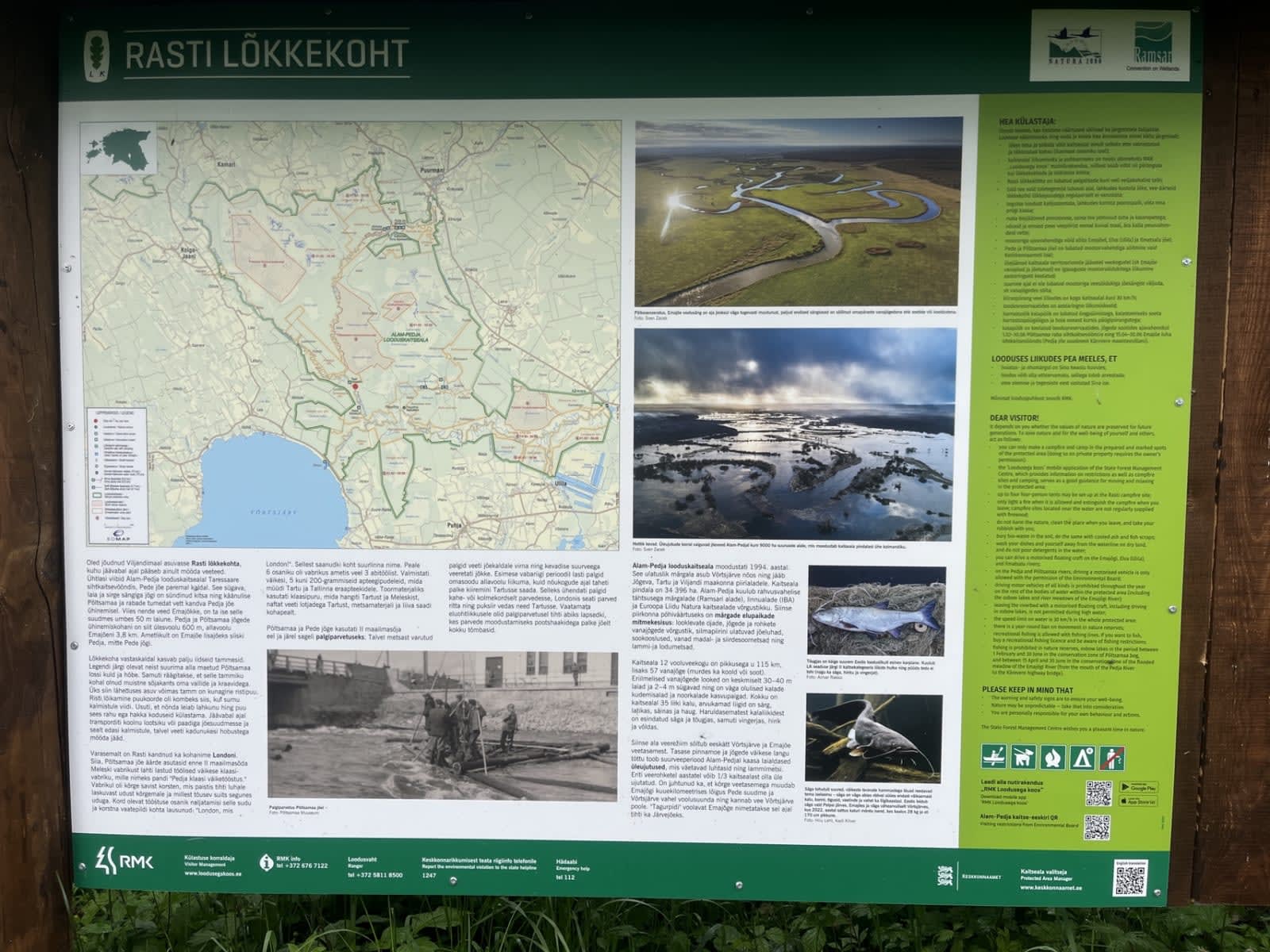
Our experience covers the stretch from Puurmani all the way to the Emajõgi. From Puurmani you can do a shorter paddle of around 9 km to the Pedja campfire site. The banks here are lined with pastures, and on a fine day you may well encounter a large herd of cattle watching you curiously from the shore — sometimes even trotting alongside you for a while. Beyond the Pedja campfire site, think carefully before paddling on. From here the adventure begins in earnest, with plenty of paddling ahead. In summer the river closes in around you like a jungle. About 2 km further along you'll find the Altmetsa campfire site with its observation tower — a wonderful spot to pitch a tent. Bear in mind, however, that once you pass this point there is no way to take out your boats until you reach the Emajõgi and Palupõhja. From the Pedja campfire site to Palupõhja is roughly 35 km of paddling. The current is gentle for much of the route and fades to almost nothing towards the end. Campsites are spread far apart. The first official camp after Altmetsa is the Rasti campsite on the Pede River — the name given to the lower section of the river after the Pedja and Põltsamaa merge. The confluence of the Pede and the Emajõgi is a sight worth savouring: the Emajõgi's lighter water meets the dark flow of the Pede in a transition that is clearly visible from the water. The Rasti campsite is roughly 27 km from the Pedja campfire site. Just 1.5 km beyond Rasti lies the Naela campfire site. Wild camping spots can also be found along the way. If you paddle about a kilometre upstream from the mouth of the Põltsamaa River, you'll discover the legendary London cottage — a much-loved landmark among paddlers. Beyond the Pedja campfire site the route also follows the Kirna hiking trail for a while. You can glimpse the trail from the river at times, but what really steals the show are the enormous aspens towering along the banks. In places these giants have toppled into the water; at one point we had to carry our boats around a massive aspen that had fallen clean across the river, leaving no way through.
Gallery
Practical tips
Water levels are generally sufficient throughout the summer. In Puurmani you can park at the community centre, and there is also a parking area at the Pedja campsite where you can take out boats. At Palupõhja, check with the local nature school to find out whether you are permitted to pass through the barrier and retrieve your boats.
Want to paddle here?
We have no scheduled tour on this river at the moment. Write to us and we will look at what can be arranged here — or point you to one of our upcoming tours.