
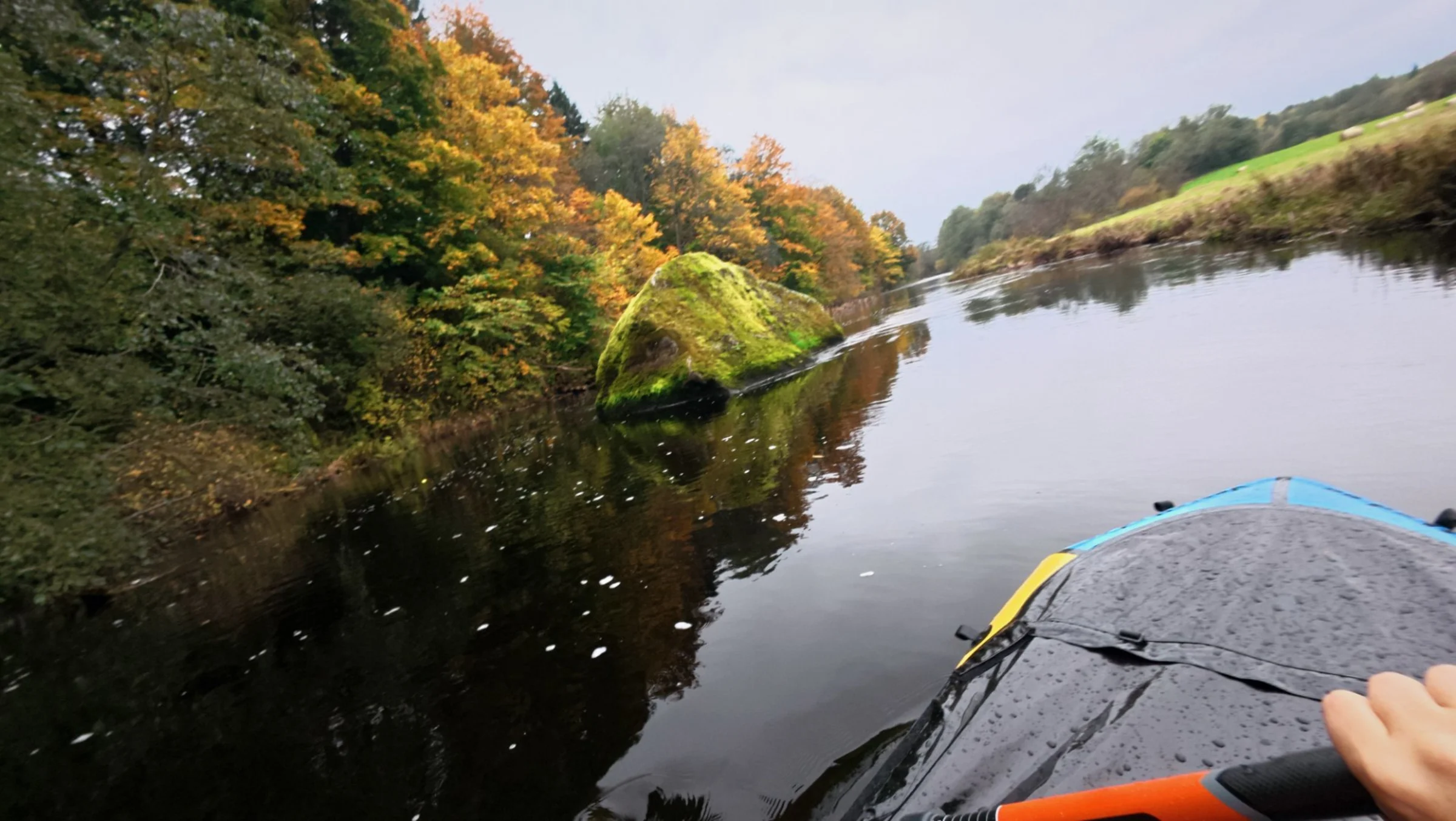
Pirita River
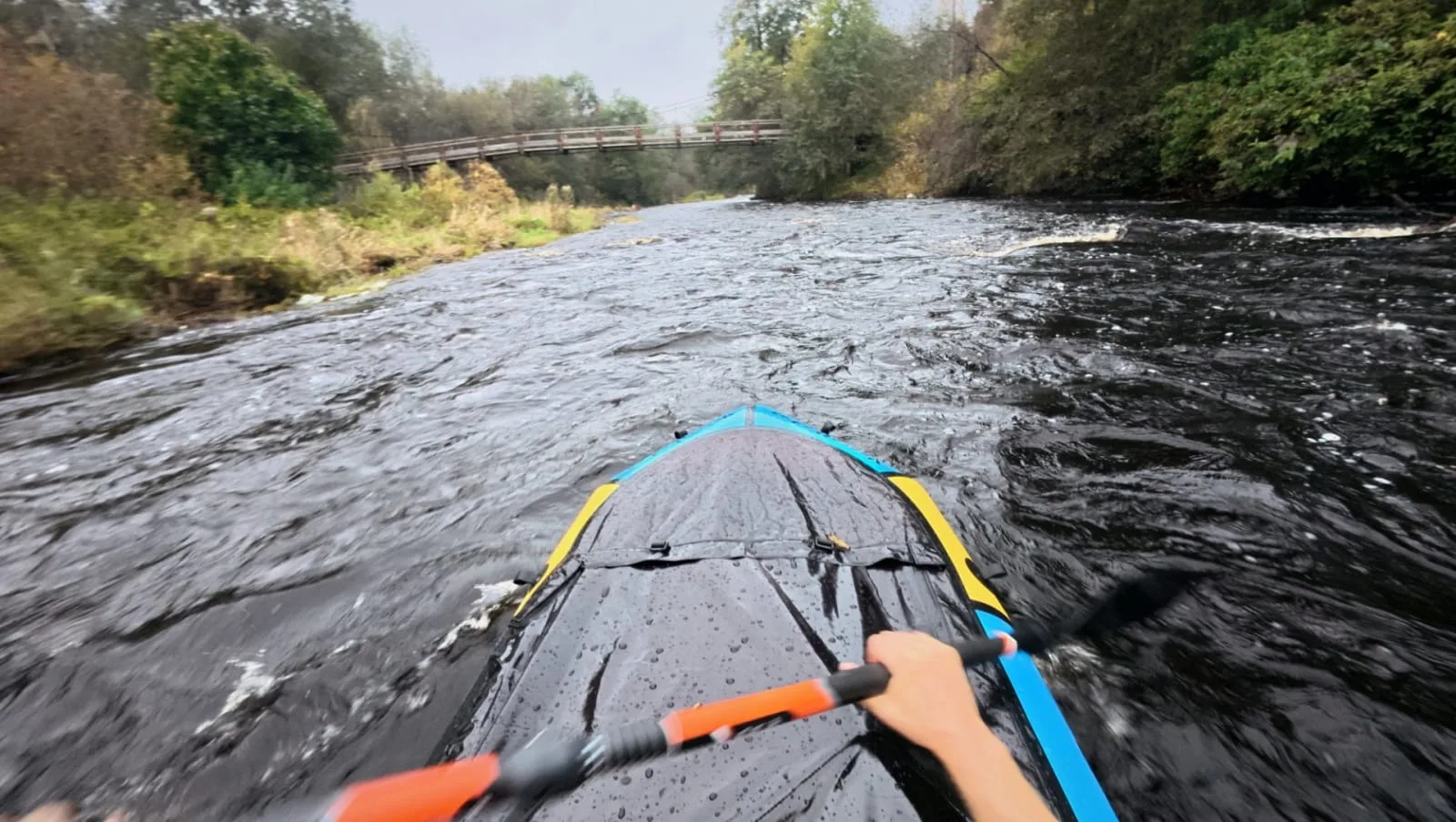
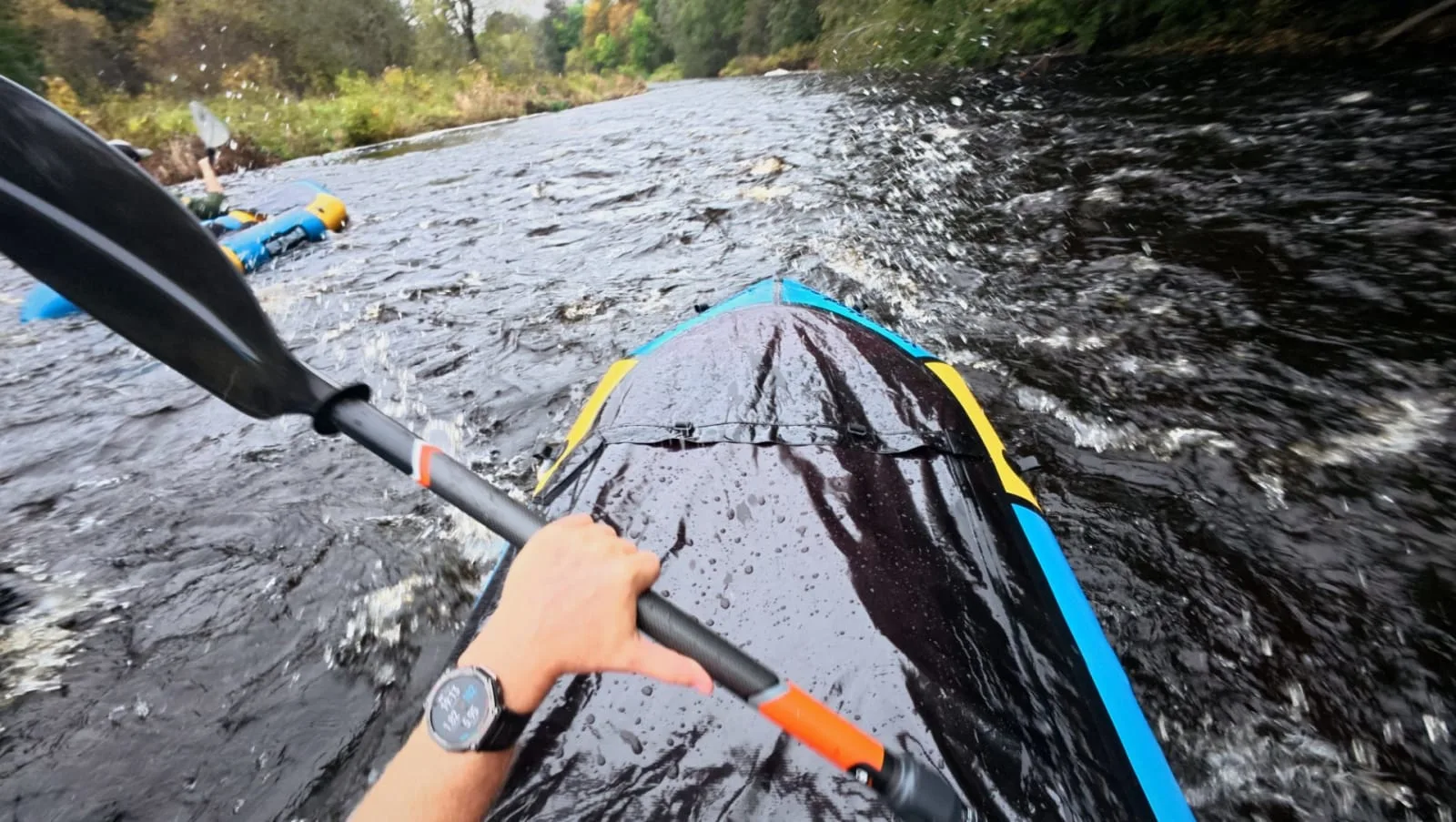
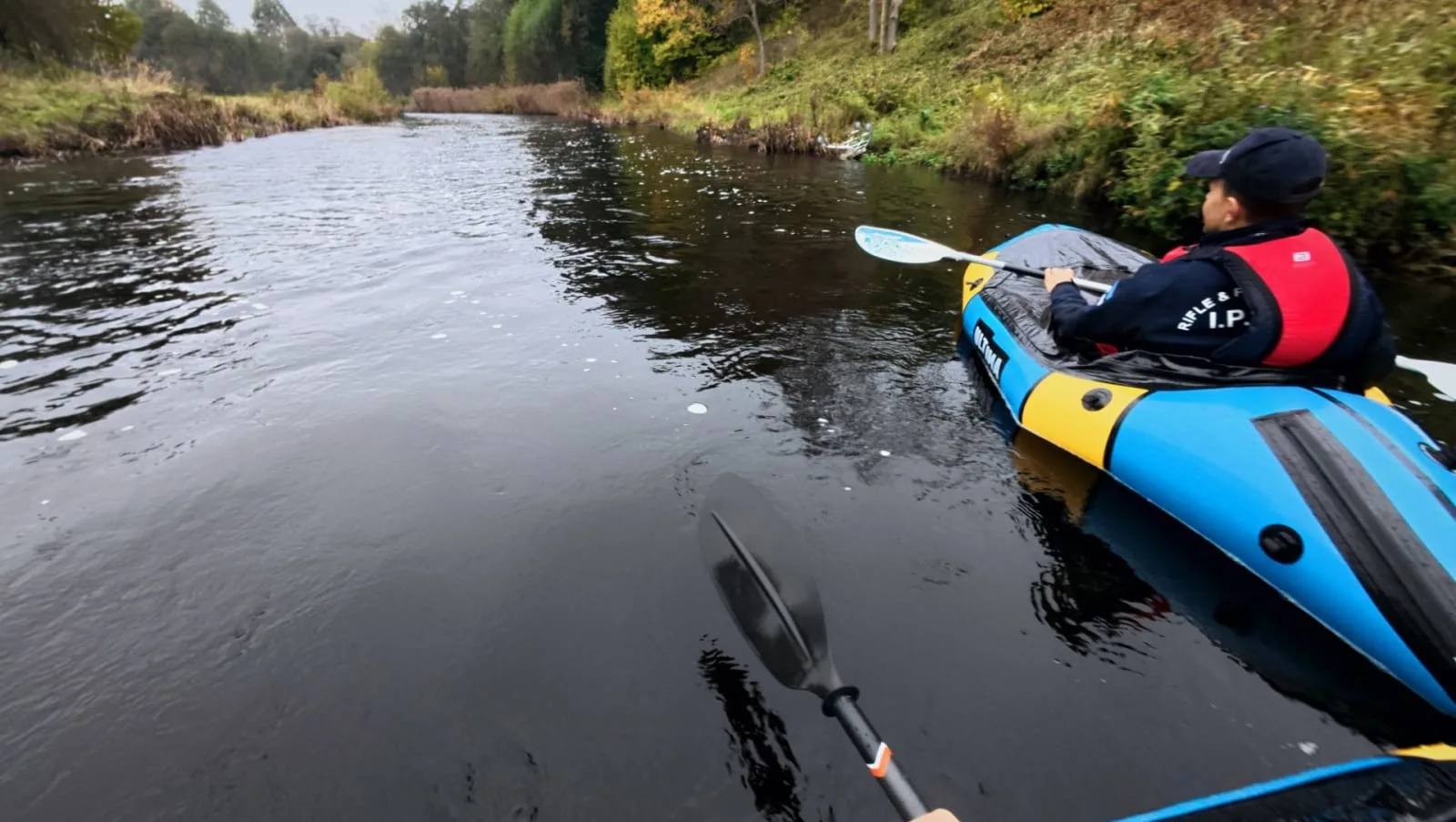
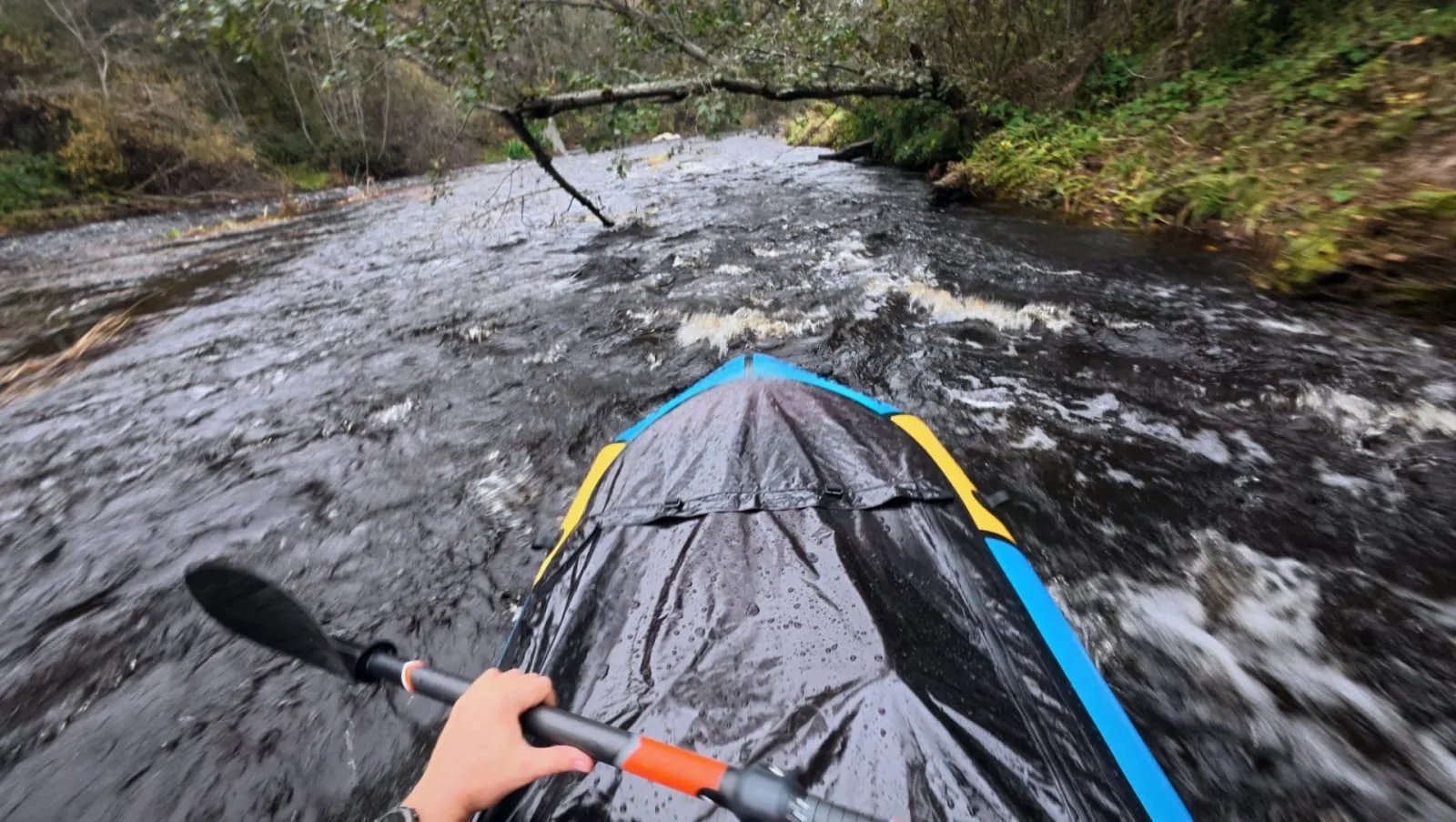
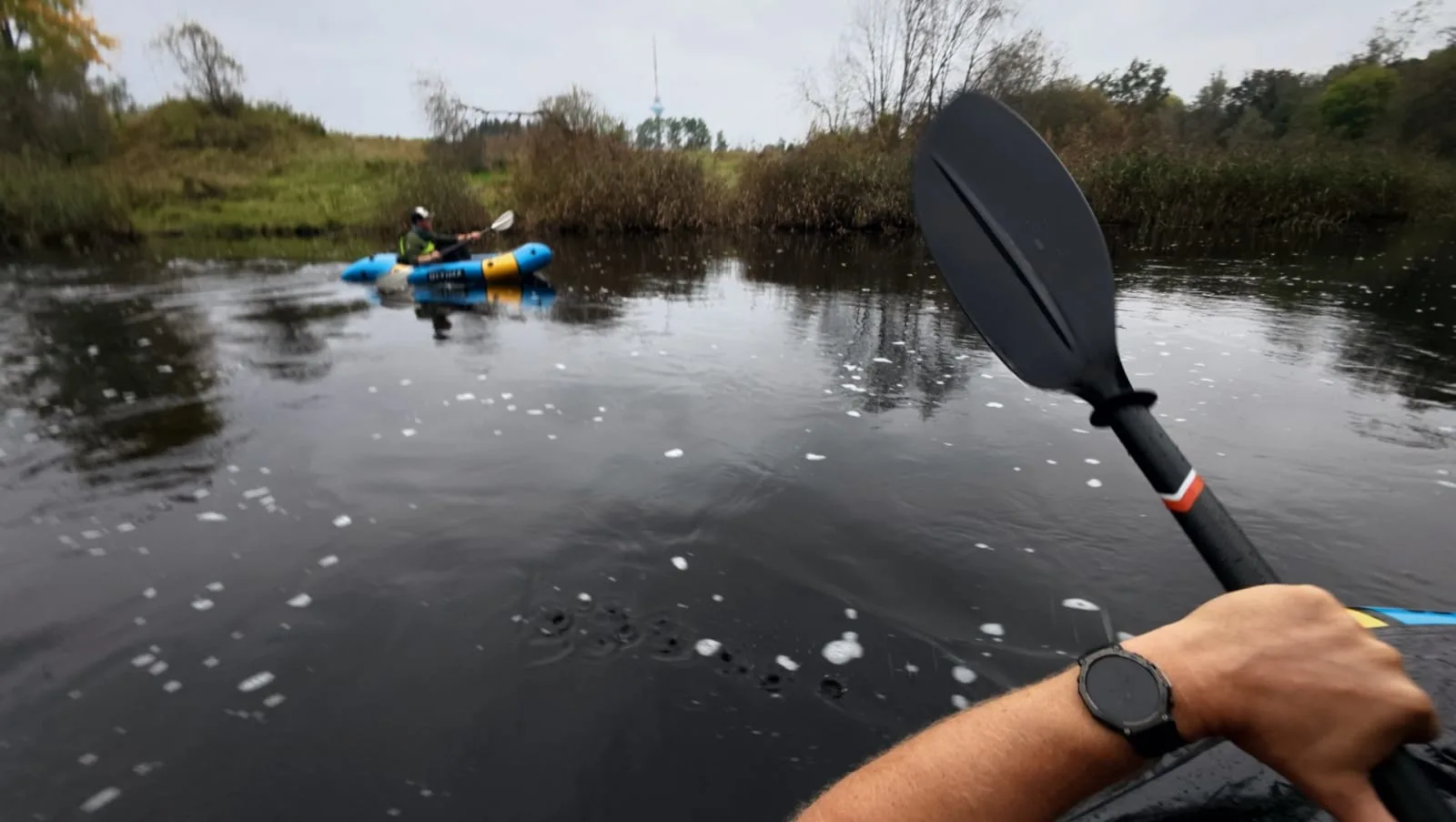
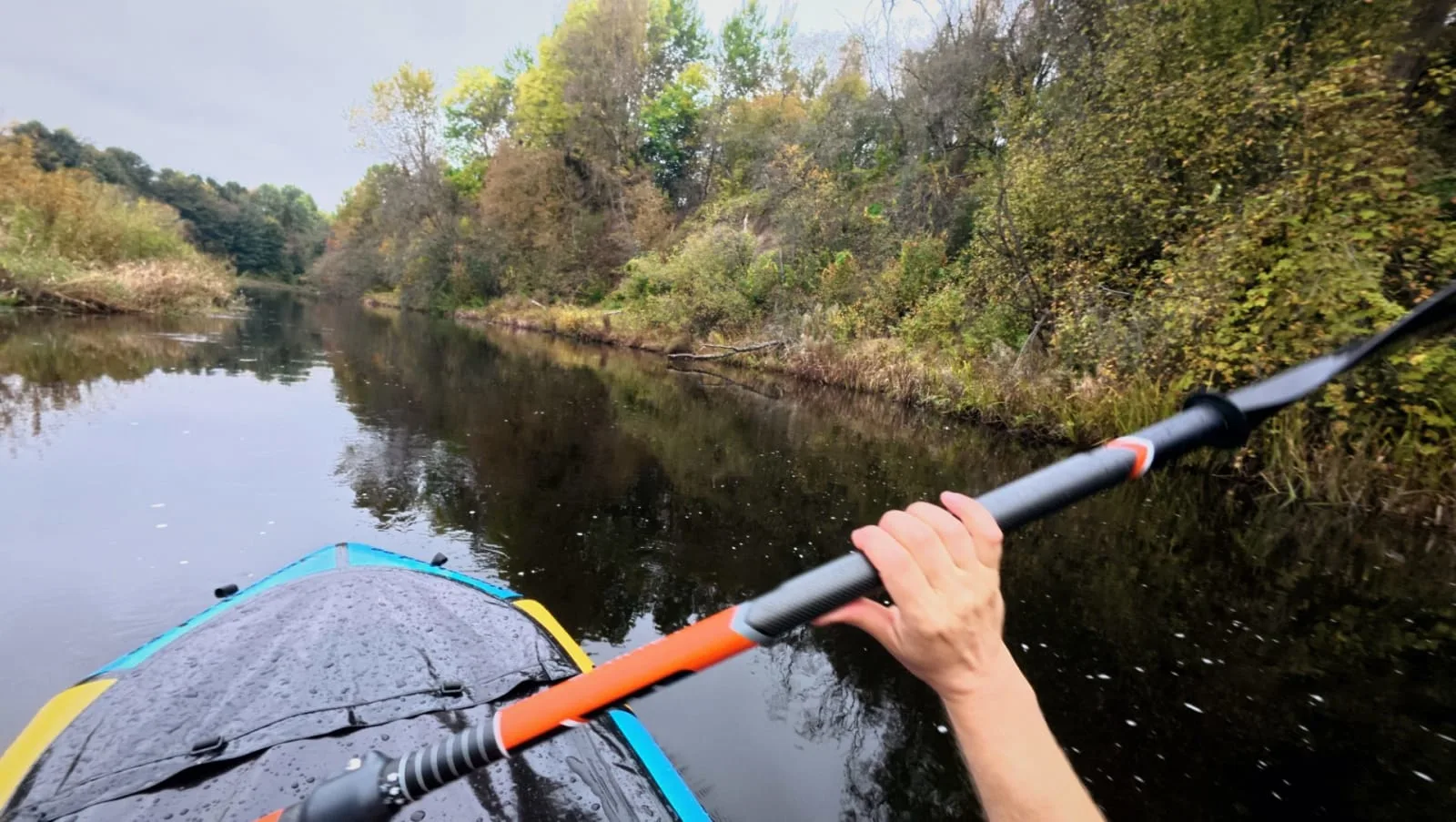
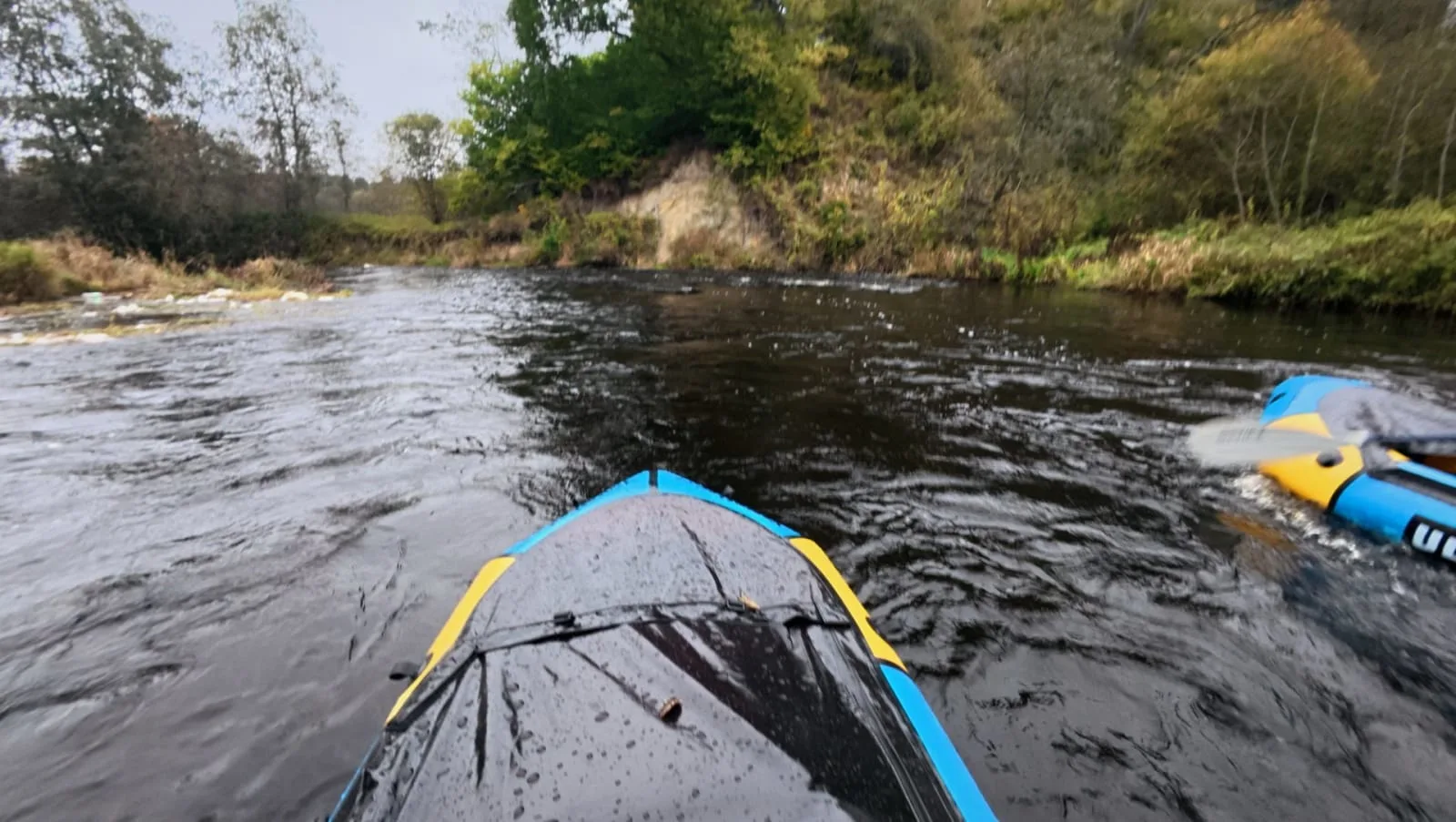
Pirita River – Rapids, an Ancient Valley and Wild Nature in the Heart of the Capital The Pirita River is one of northern Estonia's most beloved waterways, offering a surprisingly rich natural environment both beyond the city limits and within Tallinn itself. Approximately 107 kilometres long, it rises in the Pususoo bog area of Kõrvemaa and, after a long, winding journey, empties into Tallinn Bay at Pirita. Along its banks, forests, meadows, steep valley sides and rocky rapids follow one another in quick succession — a distinctive landscape that you would never expect to find so close to a capital city. The River's Journey The Pirita River begins in Kose Parish, Harju County, and winds its way through the varied scenery of northern Estonia. En route to the sea it passes through the Kose area, Rae Parish and the Lagedi district before finally reaching Tallinn. The upper and middle sections flow for the most part gently and quietly, but the character of the river changes noticeably in its lower reaches. Here the river has carved a deep valley for itself, and a rocky bed combined with a steeper gradient has created several lively rapid sections. The Pirita River also plays a vital role in Tallinn's water supply. The Paunküla reservoir sits on the upper river, and part of the flow is directed through the Vaskjala reservoir into Lake Ülemiste. The river is therefore not only a natural treasure but also an essential part of the capital's drinking-water system. The Pirita River Valley and its Rapids One of the most exciting stretches of the Pirita River lies in its lower reaches, where the river runs through the Pirita River Valley Landscape Reserve. With its steep slopes, forests, meadows and natural terraces, the valley creates a landscape that feels strikingly different from the urban surroundings just beyond. Particularly characteristic are the rocky, rapid-filled sections near Lükati and Nehatu. Here the current quickens, the water weaves around large boulders and forms eddies and small standing waves. During the spring flood the normally modest rapids can become considerably more powerful, offering a very different spectacle from the shallower summer levels. It is precisely this changing character that makes the river so special. One moment the water drifts silently beneath a canopy of tall trees; the next, the riverbed turns rocky and the current surges. This variety makes the Pirita River fascinating for nature lovers and paddlers alike. Natural Riches of the Pirita River The Pirita River Valley Landscape Reserve was established in 1957 to protect the area's valuable landscapes and natural habitats. The reserve is also part of the European Natura 2000 network. The river valley is home to a wealth of plant and animal species. Ancient pine forests, open meadows, wetlands and a diverse riparian flora all thrive here. The river is equally important as a fish habitat. Its rocky-bottomed, fast-flowing sections provide ideal spawning and living conditions for salmon and other species that prefer running water. Protected species found in the river include the European river lamprey, the spined loach and the bullhead. Along the banks you may catch a glimpse of the brilliantly coloured kingfisher, among many other bird species. The old-growth forests and shadier bank sections of the valley also provide refuge for several species of bat. The History of the Pirita River The Pirita River and its surroundings have been an important place of settlement and a vital travel corridor for centuries. The Iru hill fort near the river bears witness to the area's early habitation, and the lower reaches of the river have long been intertwined with the story of Tallinn's development. One of the most famous historic sites on the riverbank is Pirita Convent, whose construction began in the early 15th century. The convent was dedicated to Saint Birgitta and grew to become the largest nunnery in Old Livonia. Destroyed during the Livonian War in 1577, its ruins are today one of Pirita's most visited landmarks. Over the centuries the Pirita River has evolved into a cherished recreational and natural area where history, nature conservation and active outdoor pursuits come together in one place. Packrafting the Pirita River The Pirita River offers a wonderful opportunity to feel the energy of moving water and discover Tallinn's natural side from a completely different perspective. Veeretked organises packraft trips on the Pirita River, combining tranquil river sections, rocky rapids and beautiful river scenery. A lightweight, highly manoeuvrable packraft is the perfect craft for threading through the rapids, learning to read the current and steering between rocks and waves. The river's character depends greatly on the water level, which means the same stretch can deliver a completely different experience at different times of year. Ready to take on the rapids of the Pirita River? Get in touch with Veeretked and join us on the water!
Gallery
Want to paddle here?
We have no scheduled tour on this river at the moment. Write to us and we will look at what can be arranged here — or point you to one of our upcoming tours.