Kakerdaja Bog
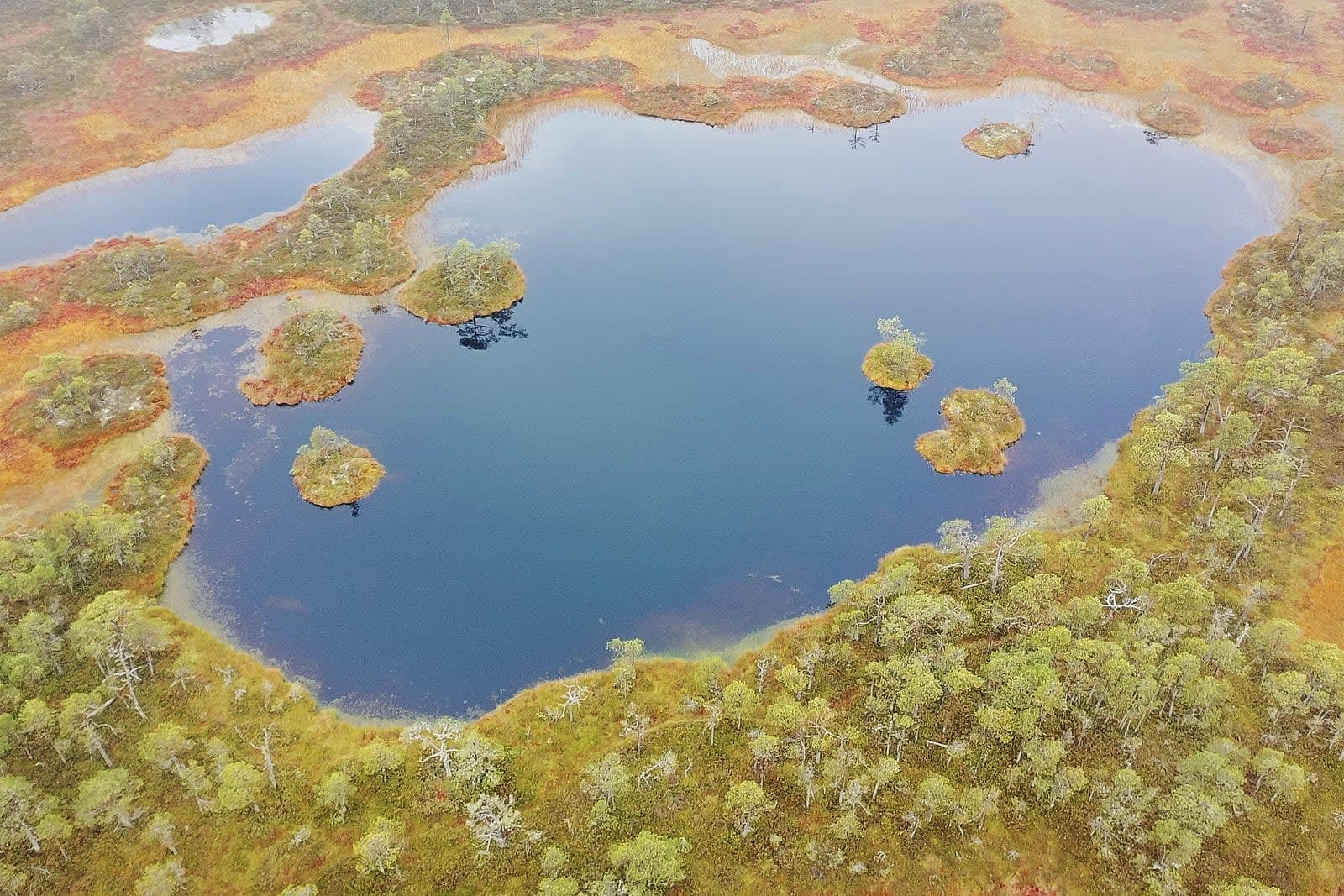
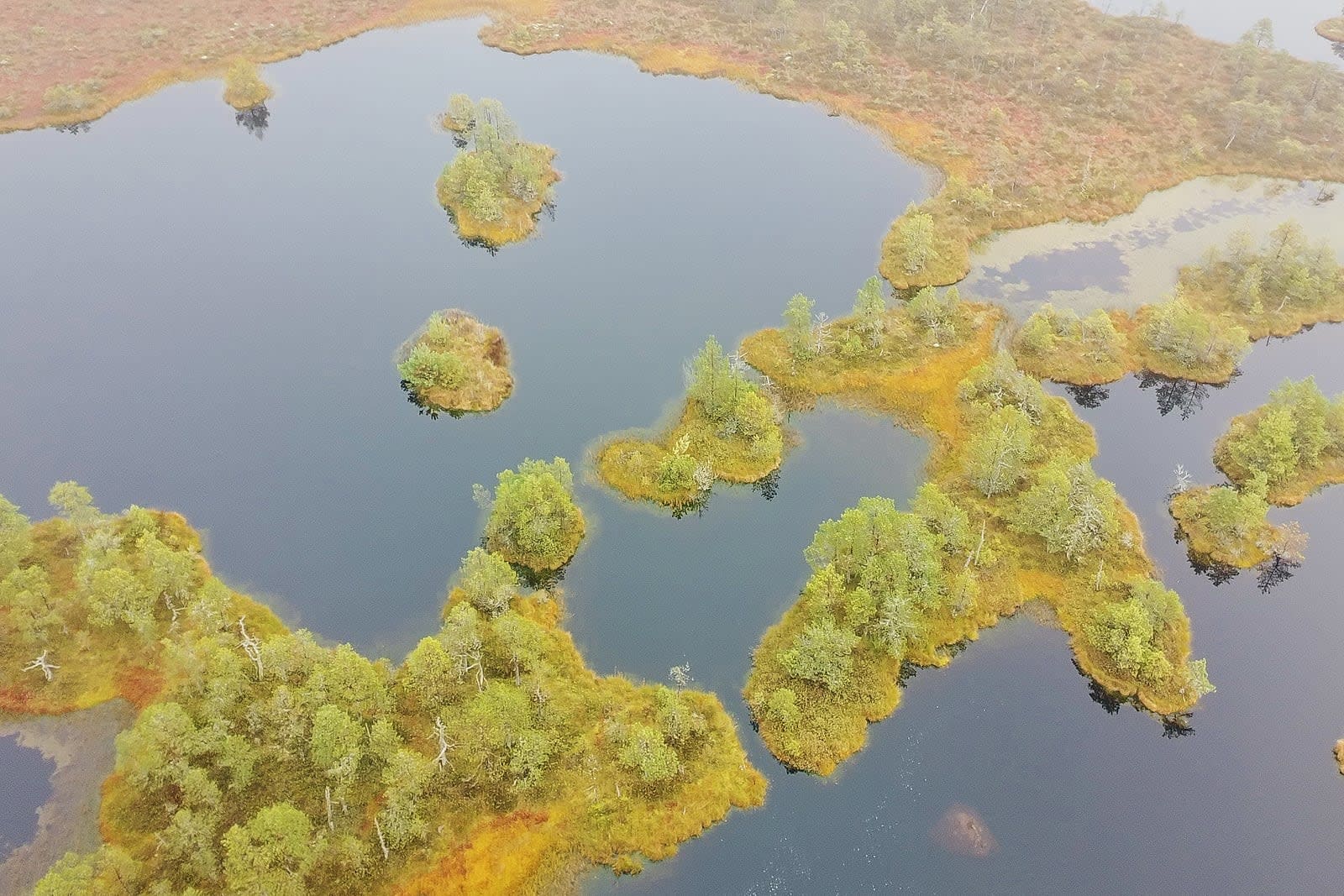
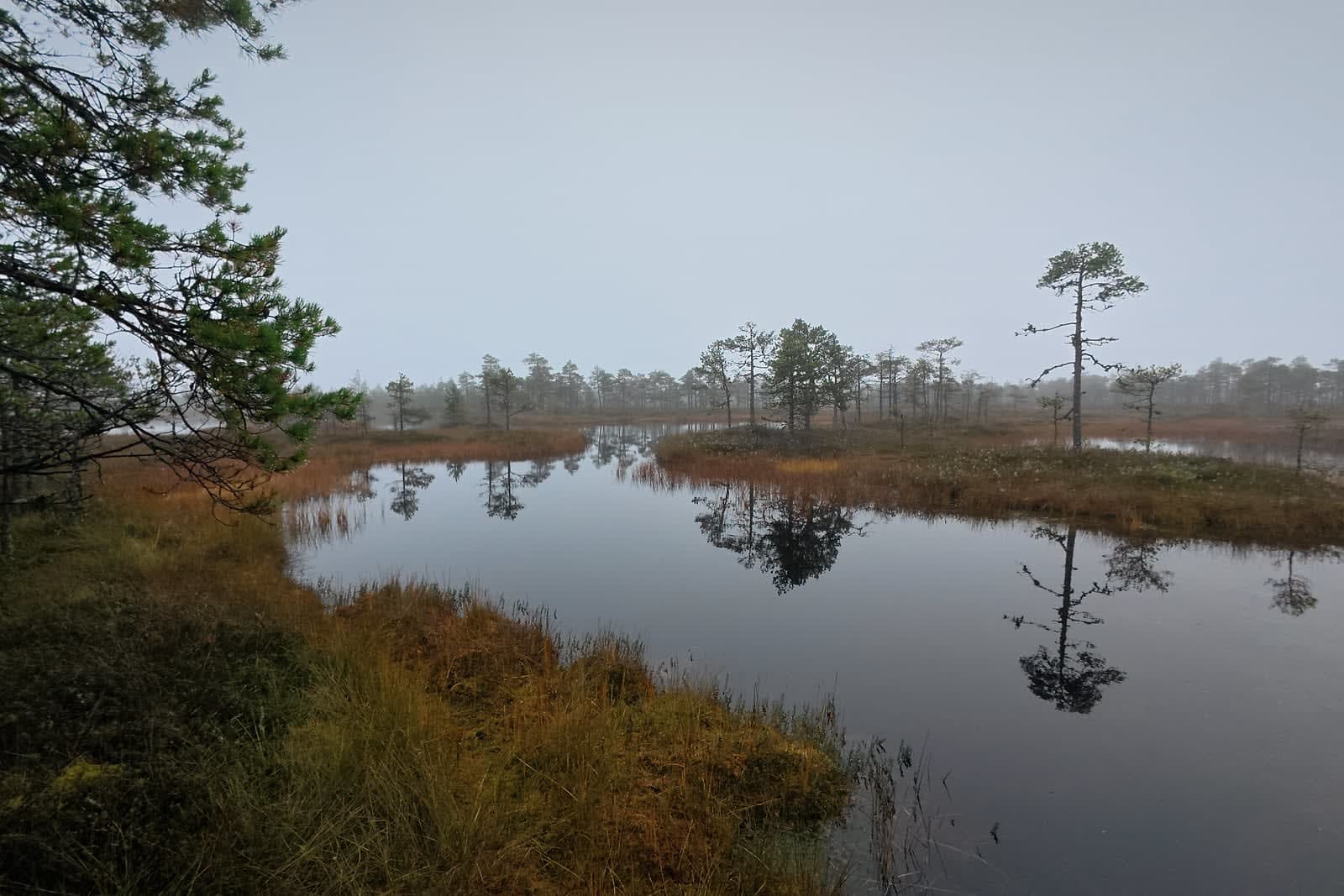
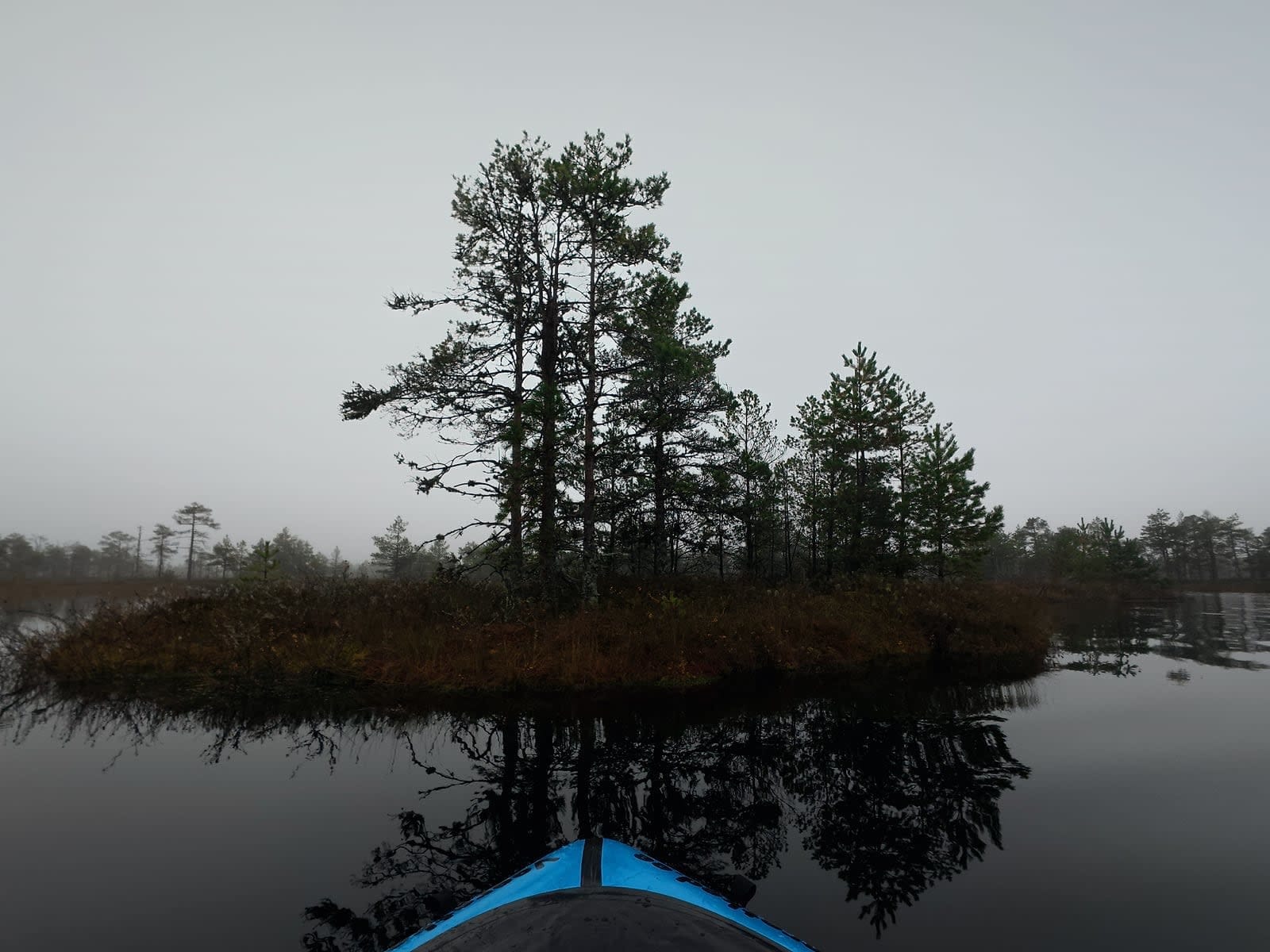
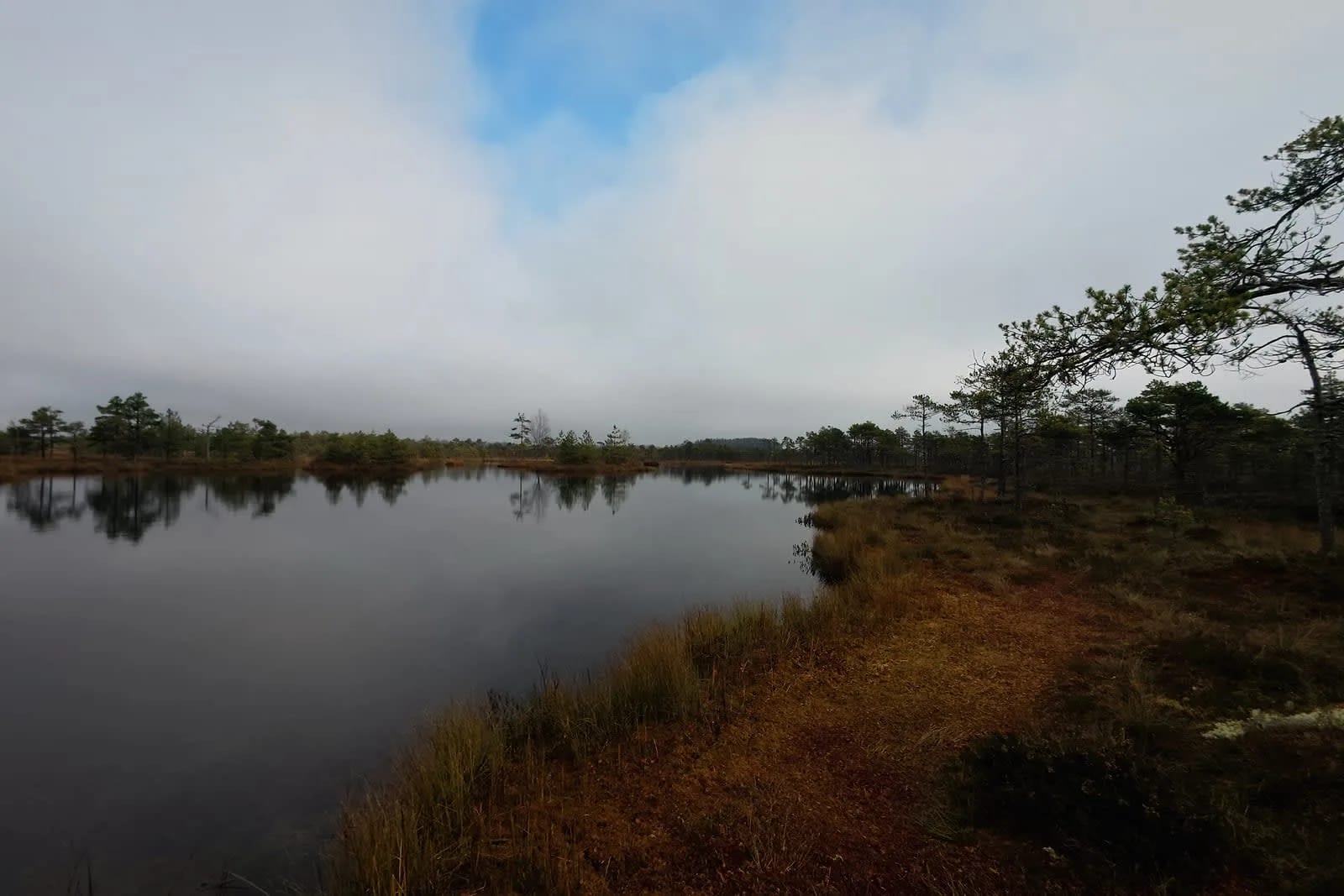
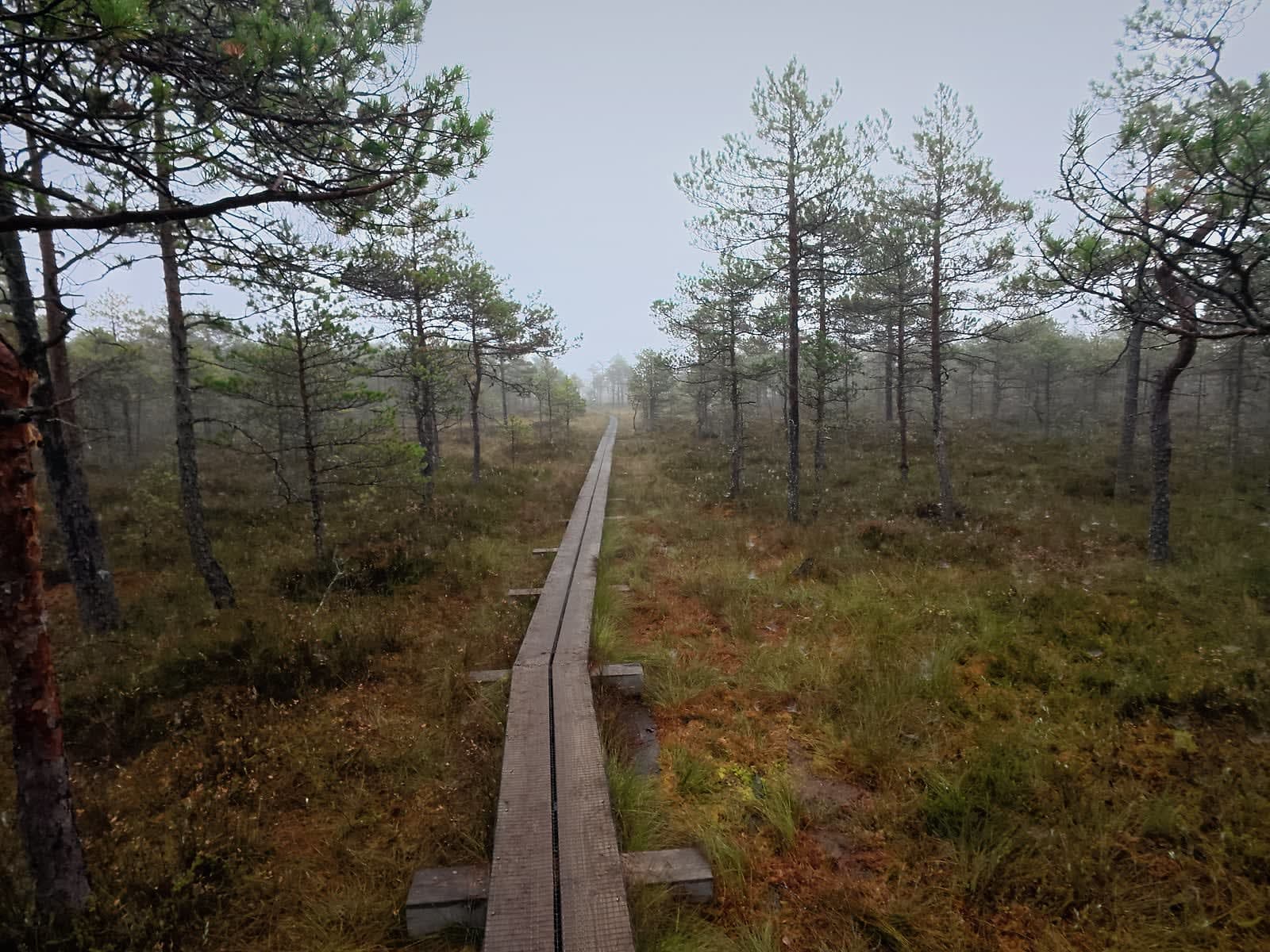
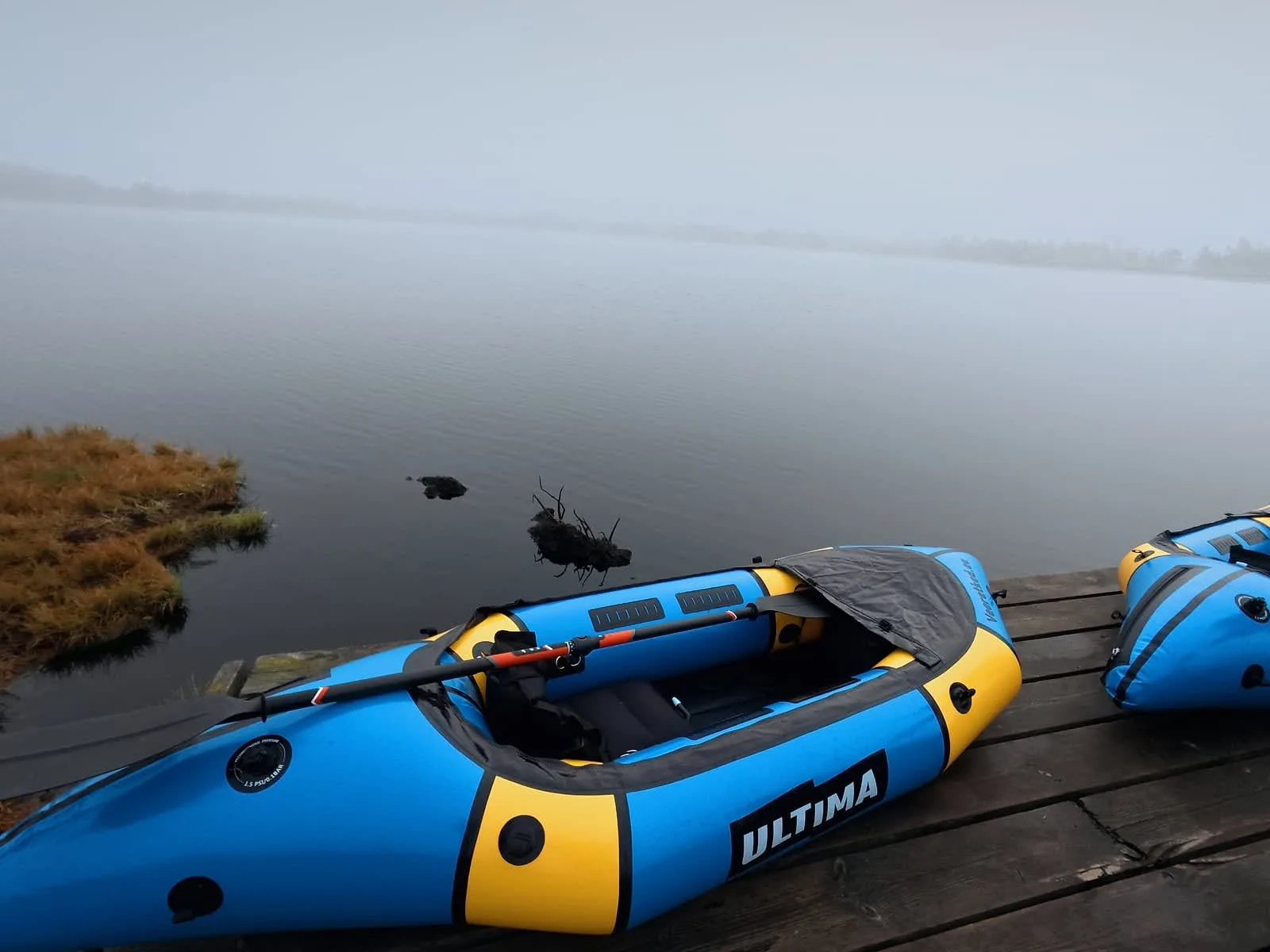
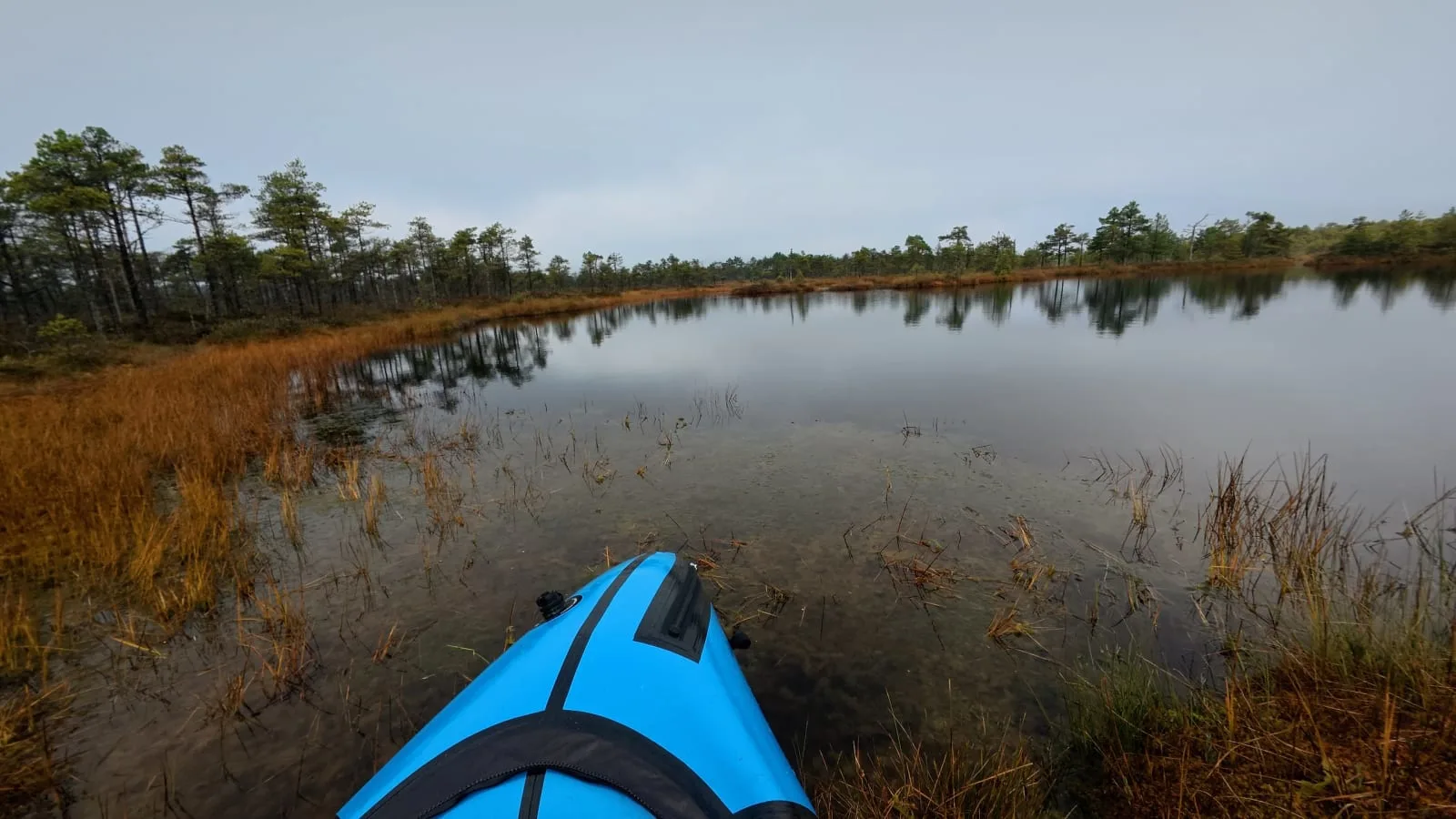
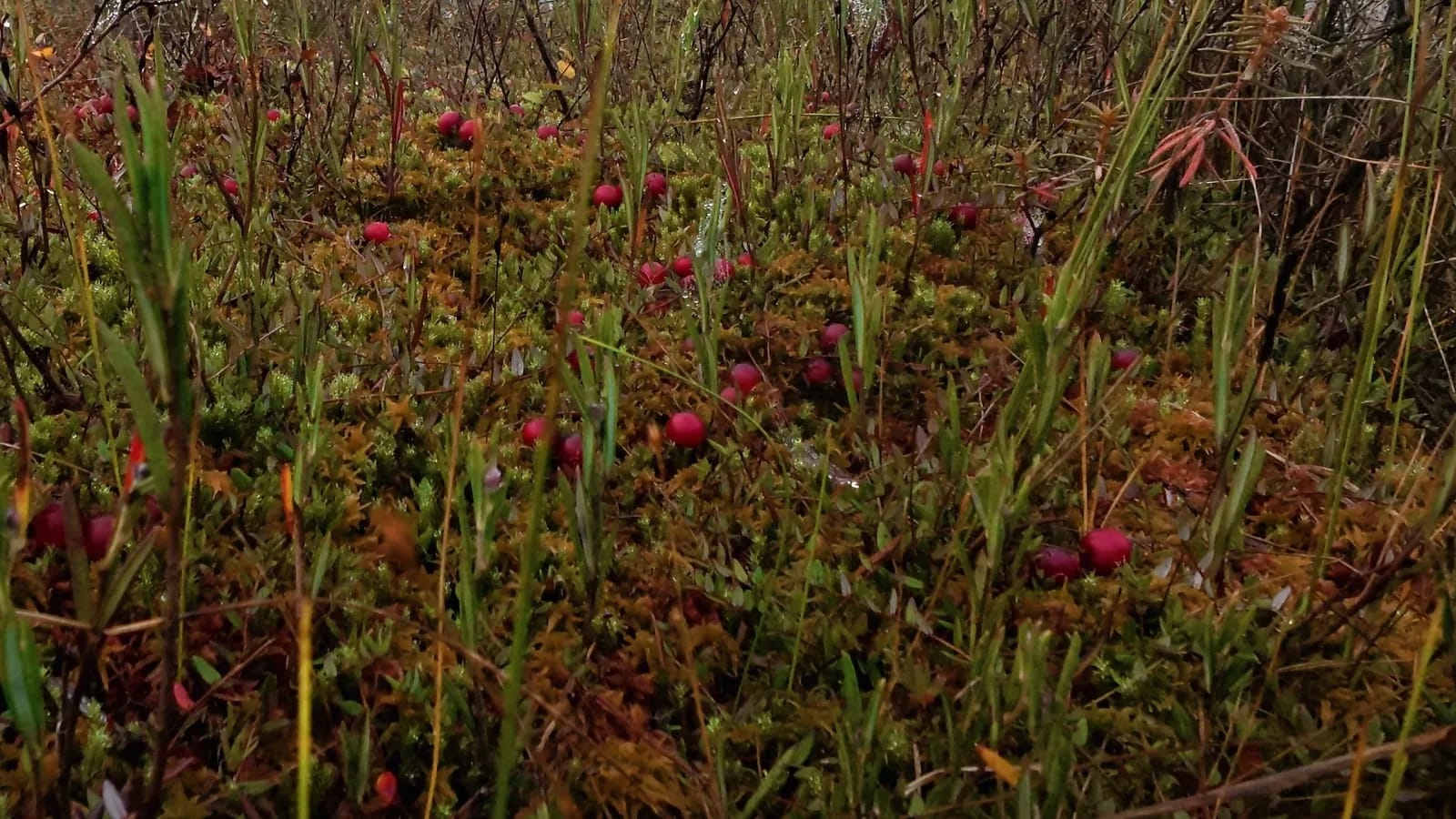
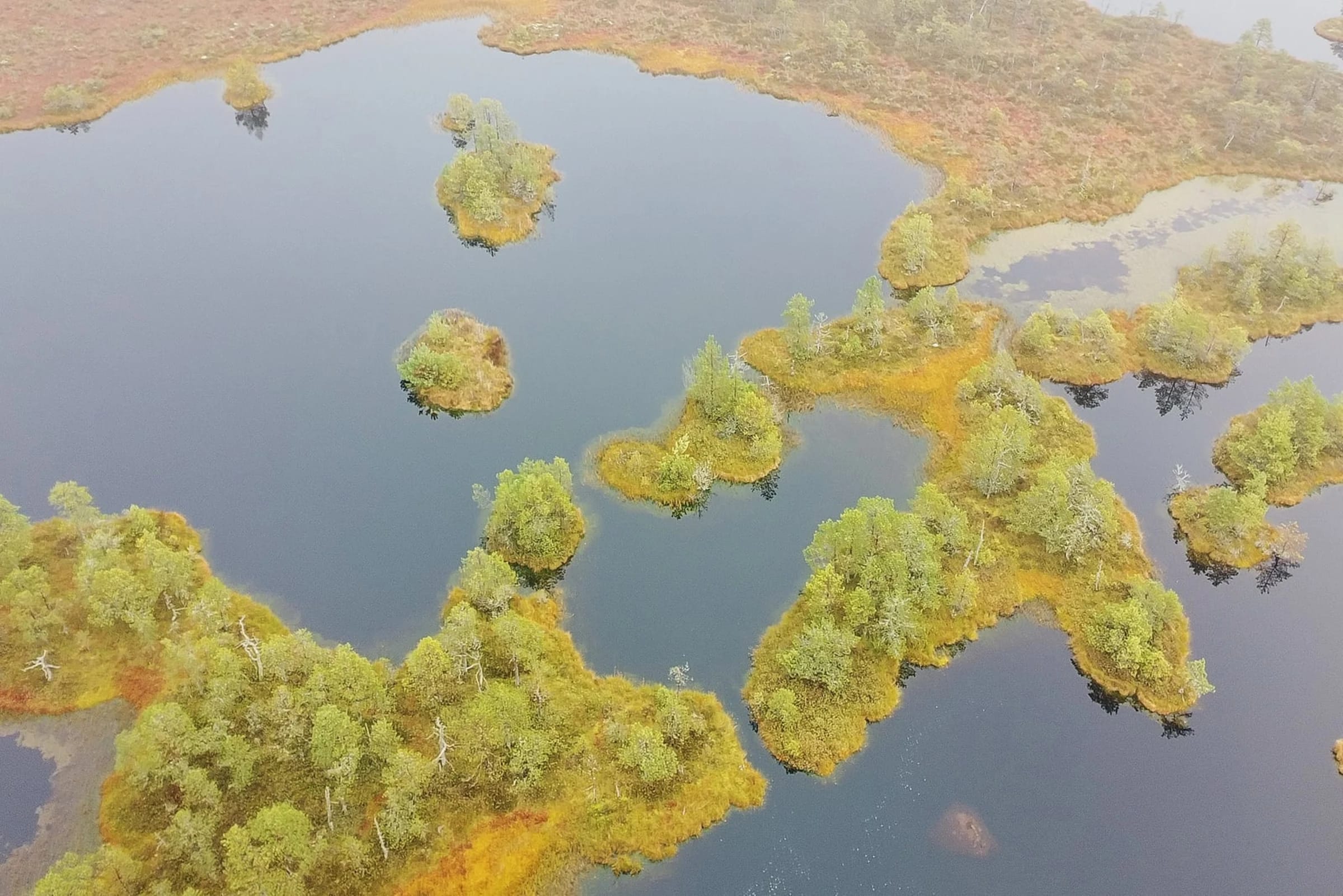
Kakerdaja Bog – lake, pools and the moorland of Kõrvemaa Kakerdaja Bog is one of Estonia's best-known and most beautiful raised bogs, nestled within the Kõrvemaa Landscape Reserve in Järva County. Sweeping open vistas, countless dark-watered bog pools, wooded bog islands and the scenic Kakerdaja Lake all define this remarkable place. It is somewhere to breathe in the stillness of nature and wander through a landscape that has been taking shape for thousands of years. Kakerdaja Bog and its formation Kakerdaja Bog is part of the roughly 40,000-hectare Epu-Kakerdi mire complex — the third largest in Estonia — which encompasses around 50 individual bogs and several hundred mineral-soil islands. What sets Kakerdaja apart is its distinctive stepped terrain. The bog's many pools lie at two different elevation levels, together forming a varied and immediately recognisable landscape. These pools are natural water bodies that have formed within the bog itself; their dark, amber-tinted water is edged by carpets of sphagnum moss and other typical mire vegetation. The plants here have adapted to a nutrient-poor, acidic environment: sphagnum mosses, heather, bog rosemary, cranberries and a host of other wetland species thrive across the expanse. The bog's appearance shifts with every season — from the fresh greens of spring to the riot of summer flowers, and on to the fiery reds and golds of autumn. Kakerdaja Lake and the pool landscape In the northern part of the bog lies Kakerdaja Lake, which formed over time as several smaller pools merged into one. The broad bogland surrounding the lake, together with the smaller pools nearby, makes up one of the most characteristic natural views in the entire region. There is an intriguing story behind the lake's name. It is said to be named after the red-throated diver — once a resident here — which folk tradition called a kakerdaja, a word evoking the bird's ungainly shuffle on land. The diver is no longer seen on the lake today, yet its memory lives on in the names of both the lake and the bog. The smaller pools scattered away from the main lake form a world of water all their own. Some are tiny glinting eyes in the peat, while others are large enough to mirror the whole surrounding moorland on their surface. The pool landscape is especially unforgettable on calm mornings, when the water lies perfectly still and a delicate mist drifts above the land. The Kakerdaja Bog nature trail To help visitors discover the bog, the RMK (State Forest Management Centre) has laid out a nature trail with a total length of 7 kilometres. Four of those kilometres run along a raised boardwalk, offering unobstructed views of the pool landscape and Kakerdaja Lake. The remaining 3 kilometres form the Kalajärved (Fish Lakes) loop, which passes through diverse forest and takes you past both Väike Kalajärv (Small Fish Lake) and Suur Kalajärv (Large Fish Lake). The trail can also be started from the Noku campfire site. Kakerdaja Bog is beautiful in every season. In summer the pools and lake invite you to savour the open moorland; in autumn the vegetation blazes with colour; and in winter the bog transforms into a hushed, snow-covered wilderness. Kakerdaja Bog by packraft While most visitors explore Kakerdaja Bog along the boardwalk, Veeretked offers a completely different way to experience this singular landscape — from the water. We run relaxed packraft outings on the pools alongside Kakerdaja Lake, where a small, lightweight inflatable boat gives you an entirely new perspective on the bog. Our trips are not about covering distance or keeping to a schedule. A few gentle paddle strokes, the surrounding silence and the freedom to simply be present in this extraordinary place — that is the real magic of paddling through a bog. Out here, there is nowhere you need to be. Just float, and exist. Get in touch with Veeretked and come and discover the pool landscape of Kakerdaja Bog with us!
Gallery